

In the hallowed halls of literary tradition, the blurb—once the sacred gateway to a book’s soul—has found itself dethroned. No longer the sole herald of a novel’s worth, it now shares the stage with a far more unpredictable, far more electrifying force: BookTok. The algorithmic alchemy of TikTok’s book community has birthed a phenomenon where a single viral clip can catapult an obscure title into the stratosphere of bestsellerdom. The death of the blurb isn’t just a metaphor; it’s a seismic shift in how stories are discovered, devoured, and declared *must-reads*. Gone are the days when a publisher’s endorsement or a critic’s rave dictated a book’s fate. Today, the power lies in the hands of readers, armed with nothing but their phones and an unshakable passion for the written word. This is the age of the BookTok bestseller—a revolution where authenticity trumps authority, and where a 15-second video can rewrite the rules of literary success.
The Rise of the Micro-Recommendation: How BookTok Dethroned the Blurb
The blurb, that carefully crafted nugget of praise from an author or critic, was once the literary equivalent of a velvet rope at an exclusive club. It promised prestige, signaling to potential readers that a book was worthy of their time. But in the age of BookTok, the velvet rope has been replaced by a flashing neon sign that reads: *You have to read this.* The blurb’s decline isn’t just about brevity; it’s about relatability. A blurb might tell you a book is *a sweeping saga of love and loss*, but BookTok will show you a reader sobbing uncontrollably in their car, clutching the book to their chest like a lifeline. The emotional resonance of a raw, unfiltered reaction is infinitely more compelling than the polished prose of a professional reviewer.
Consider the case of a debut novel that languished in obscurity until a BookToker, mid-sentence, held up the book and declared, *This is the book you need if you’ve ever felt like an outsider.* Within weeks, the title became a phenomenon. The blurb had failed to capture the essence of the story; BookTok, however, distilled it into a single, unforgettable moment. This is the power of micro-recommendations—tiny, hyper-personal endorsements that bypass the gatekeepers and speak directly to the reader’s soul. The blurb’s death knell rings loudest when a book’s fate hinges not on what critics say, but on what a stranger in Ohio or Australia says with tears in their eyes.
From Obscurity to Omnipresence: The Viral Alchemy of BookTok
The journey from unknown manuscript to bestseller isn’t just accelerated by BookTok; it’s transformed into a kind of literary alchemy. Where traditional publishing might take years to build anticipation, BookTok can create overnight sensations. The process begins with a *BookTok book haul*—a video where a creator unboxes a stack of books, their excitement palpable as they hold up each one like a treasure. But the real magic happens in the *BookTok reviews*, where readers dissect a novel with the fervor of a detective solving a mystery. They highlight plot twists, dissect character arcs, and—most crucially—share their emotional reactions in real time. A book that might have been overlooked by the blurb’s carefully curated praise becomes a *vibe* when a creator declares, *This is the book I’ve been waiting for my whole life.*
The alchemy doesn’t stop there. BookTok thrives on *duets* and *stitches*, where creators respond to each other’s videos, creating a web of interconnected recommendations. A single book can become a *BookTok trend*, with hundreds of creators putting their own spin on why it’s essential reading. The blurb could never compete with this kind of organic, grassroots hype. It’s not just about telling readers a book is good; it’s about showing them why it’s *their* kind of good. The viral nature of BookTok means that a book’s success isn’t just about quality—it’s about *fit*. A blurb might say a book is *perfect for fans of romance*, but BookTok will tell you it’s *the book you read when you’re heartbroken and need to feel seen*.
The Many Faces of BookTok Content: A Spectrum of Reader Engagement
BookTok isn’t a monolith; it’s a kaleidoscope of content, each piece catering to a different facet of the reading experience. For those who crave escapism, there are *BookTok unboxings* that feel like opening a portal to another world. The camera lingers on the book’s cover, the spine, the weight of it in the creator’s hands—all designed to transport the viewer before they’ve even turned a page. For the analytical reader, there are *deep-dive analyses* where creators dissect a novel’s themes, comparing it to other works in the genre. These videos are less about hype and more about intellectual engagement, offering a kind of literary criticism that feels like a conversation between friends.
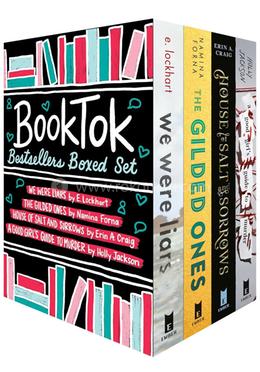
Then there are the *emotional reaction videos*, where creators film themselves reading a particularly poignant passage, their voices trembling with genuine feeling. These videos are the antithesis of the blurb’s detached praise; they’re raw, unfiltered, and deeply personal. A blurb might say a book will *make you cry*, but a BookToker will show you the exact page that undoes them, their tears a testament to the story’s power. For the thrill-seekers, there are *BookTok challenges*, where creators read books with specific themes—*dark academia*, *enemies-to-lovers*, *slow-burn romance*—and share their reactions in real time. These videos turn reading into a communal experience, where the audience isn’t just passive consumers but active participants in the story’s journey.
The diversity of BookTok content ensures that there’s something for every type of reader. Whether you’re a *fantasy nerd* looking for your next obsession, a *romance addict* craving a book that will wreck you emotionally, or a *literary snob* searching for the next great American novel, BookTok has a corner for you. The blurb could never offer this level of specificity. It speaks in broad strokes; BookTok speaks in individual voices. And in a world where readers are increasingly seeking out stories that feel tailor-made for them, the blurb’s one-size-fits-all approach feels increasingly outdated.
The Dark Side of the Hype: When BookTok’s Power Becomes a Double-Edged Sword
Of course, the same forces that catapult books to bestsellerdom can also leave them in the dust just as quickly. The BookTok algorithm is a fickle beast, and what rises must eventually fall. A book that’s *everywhere* one week might be forgotten the next, its moment of glory fleeting. For authors, this can be both a blessing and a curse. On one hand, they’re given a platform they never could have dreamed of; on the other, their success is tied to the whims of an algorithm they can’t control. The blurb, for all its flaws, offered a sense of permanence. A book with a blurb from a respected critic would always have that endorsement, even if its popularity waned. BookTok’s hype, however, is ephemeral. It thrives on novelty, on the next big thing. The pressure to stay relevant can be exhausting, both for creators and the authors they champion.
There’s also the issue of *BookTok fatigue*. As the platform grows, so does the saturation of content. What was once a niche community of passionate readers has become a crowded marketplace, where creators compete for attention in an endless scroll of recommendations. The blurb, for all its limitations, was a curated experience. A reader could trust that the praise on the back of a book was at least somewhat vetted. BookTok, however, is the wild west of literary opinion. Not every recommendation is created equal, and the line between genuine enthusiasm and sponsored content can be blurry. The blurb’s death has left a void, and while BookTok fills it with energy and excitement, it also leaves readers navigating a landscape where the signal-to-noise ratio is often skewed.
The Future of Reading: A World Without Blurbs?
So what does the future hold for the blurb in a world where BookTok reigns supreme? It’s unlikely to disappear entirely. Blurbs still have a place in the publishing ecosystem, particularly for books that rely on traditional marketing channels. But their role is no longer central. The blurb’s power was built on authority—on the idea that certain voices (critics, publishers, established authors) had the right to anoint a book as worthy. BookTok, however, is built on authenticity. It’s a rebellion against the gatekeepers, a celebration of the reader’s voice above all else. In this new world, the blurb isn’t dead; it’s been democratized. It’s no longer the sole arbiter of literary taste but one voice among many.
The future of reading, then, is a hybrid one. Traditional publishing will continue to use blurbs as a tool, but they’ll be just one part of a much larger ecosystem. The real magic will happen in the spaces where blurbs and BookTok collide—where a publisher’s carefully crafted praise is amplified by a creator’s heartfelt reaction, where a critic’s review is given new life by a viral video. The death of the blurb isn’t the end of literary discourse; it’s the beginning of something more dynamic, more inclusive, and more exciting. It’s a world where every reader has the power to shape the conversation, where a book’s success isn’t dictated by a handful of gatekeepers but by the collective will of a community.
The blurb may be fading, but the story is far from over. In fact, it’s just getting started. The next chapter of literary history won’t be written by critics or publishers—it will be written by readers, one viral video at a time. And if that’s not the most thrilling plot twist you’ve heard all year, I don’t know what is.


Leave a Comment