

In the grand bazaar of literature, where novels are the towering silk tapestries and poetry the delicate porcelain, short story collections have long been the overlooked trinkets—gleaming, perhaps, but rarely given the spotlight they deserve. Yet, like a sudden gust through a crowded stall, the tide is turning. These compact literary jewels are no longer the wallflowers of the book world. They are the avant-garde, the disruptors, the ones whispering secrets into the ears of readers who crave both depth and brevity. And now, they’re even snagging Substack deals, proving that in an era of endless scrolling and shrinking attention spans, the short story isn’t just surviving—it’s thriving.
Imagine, if you will, a mosaic. Each tile is a self-contained universe, vibrant and complete, yet when assembled, they create something far greater than the sum of their parts. That’s the magic of a short story collection. It’s not a sprawling saga that demands months of commitment; it’s a buffet of narratives, each offering a new flavor, a new texture, a new emotional punch. And just as the world has rediscovered the joy of the mixtape in an age of algorithm-driven playlists, readers are falling back in love with the curated experience of a well-crafted short story anthology.
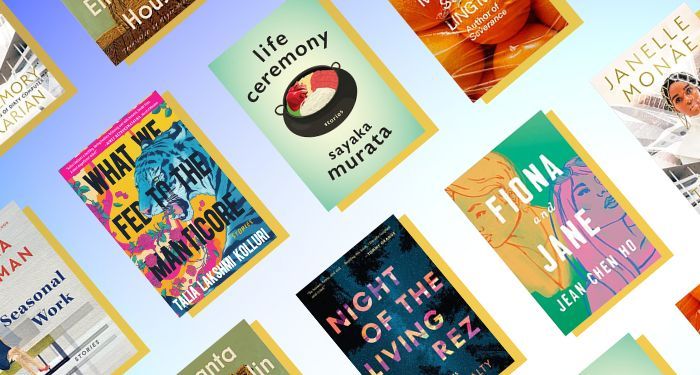
The Renaissance of the Short Story: A Literary Comeback Story
For decades, the short story was the literary equivalent of a one-hit wonder—beloved in its moment, but rarely given the chance to headline the next tour. Novels ruled the bestseller lists, while short stories were relegated to the back pages of magazines or the dusty corners of anthologies. But something extraordinary has happened in the last few years. The short story is having its renaissance, and it’s not just about nostalgia or a fleeting trend. It’s about the way we consume stories in the 21st century.
Consider the rise of audiobooks and podcasts. Both thrive on brevity, on the ability to deliver a complete narrative in the time it takes to commute or walk the dog. Short stories, with their tight pacing and focused arcs, are tailor-made for this medium. They’re the perfect antidote to our fragmented attention spans, offering a satisfying narrative hit without the commitment of a 300-page tome. And as platforms like Substack and Patreon democratize publishing, writers are finding new ways to monetize their craft—often by offering serialized short stories or exclusive collections to subscribers. The result? A renaissance not just in readership, but in how stories are created and shared.
The short story’s resurgence is also a rebellion against the tyranny of the epic. In a world drowning in information, where every scroll delivers another dopamine hit, the short story is the literary equivalent of a deep breath. It’s a reminder that a story doesn’t need 500 pages to be profound, that a single moment—captured in a few thousand words—can resonate just as deeply as a sprawling saga. And in an era where readers are increasingly skeptical of bloated narratives, the short story’s precision is its power.
The Substack Effect: How Digital Platforms Are Reshaping the Genre
Enter Substack, the digital newsletter platform that has become an unlikely haven for writers of all stripes. While it’s best known for political commentary and personal essays, Substack has quietly become a hotbed for short story writers. Why? Because it offers something that traditional publishing often can’t: direct access to an audience. No gatekeepers. No waiting years for an agent to respond. Just a writer, a keyboard, and a community of readers eager for the next installment.
For short story writers, Substack is a game-changer. It allows them to serialize their work, building anticipation with each new chapter. It fosters a sense of intimacy between writer and reader, turning the act of reading into a dialogue. And perhaps most importantly, it gives writers the financial freedom to experiment—to take risks, to play with form, to craft stories that might not fit neatly into a traditional publishing mold.
Take, for example, the rise of “flash fiction” on Substack. These micro-stories, often under 1,000 words, are the literary equivalent of haiku—condensed, potent, and designed to deliver a punch. They’re perfect for the digital age, where every word must earn its place. And yet, they’re not just a product of the internet’s brevity. They’re a testament to the enduring appeal of the short story’s core strength: the ability to distill a moment, an emotion, a truth into something unforgettable.
Substack has also given rise to a new kind of literary community. Writers and readers connect in ways that were once impossible. There’s a shared excitement in the comments section, a collective gasp at a twist ending, a sense of camaraderie in the shared love of a well-told tale. It’s not just about consuming stories anymore; it’s about being part of the story’s creation.

The Unique Appeal of Short Story Collections: Why They’re Irreplaceable
But why, you might ask, would anyone choose a short story collection over a novel? The answer lies in the genre’s unique DNA. A novel is a marathon; a short story collection is a series of sprints. Each story is a self-contained world, a universe that can be explored and exited in the span of a single sitting. There’s a freedom in that—a liberation from the need to commit to a single narrative for hundreds of pages.
Short story collections are also the literary equivalent of a tapas bar. You don’t have to order the whole menu to enjoy the experience. You can sample a little bit of this, a little bit of that, and walk away satisfied. This makes them perfect for readers who want variety, who crave different voices and perspectives in one sitting. It’s why anthologies like Her Body and Other Parties by Carmen Maria Machado or Interpreter of Maladies by Jhumpa Lahiri have become modern classics. They offer a smorgasbord of stories that linger in the mind long after the last page is turned.
And let’s not forget the emotional whiplash. A short story can make you laugh one moment and weep the next. It can twist your expectations, leaving you breathless. It can linger in your thoughts like a half-remembered dream. In a world where we’re constantly bombarded with stimuli, the short story’s ability to deliver a concentrated dose of emotion is nothing short of revolutionary.
The short story’s appeal also lies in its versatility. It can be experimental, surreal, or hyper-realistic. It can be a slice-of-life vignette or a gothic horror tale. It can be funny, tragic, or somewhere in between. This flexibility makes it the perfect vehicle for writers who want to push boundaries, who want to explore the edges of what fiction can do. And as readers become more adventurous in their tastes, the short story is there to meet them, offering something new with every turn of the page.
The Business of Short Stories: Why Publishers Are Betting Big
Publishers, ever attuned to the winds of change, have taken notice. In recent years, there’s been a surge in the number of deals for short story collections, particularly from debut authors. Why? Because the market is hungry for fresh voices, for stories that feel urgent and immediate. And short stories, with their lower word counts and faster turnaround times, are a lower-risk investment for publishers looking to take a chance on new talent.
But it’s not just about the bottom line. Publishers are also recognizing the cultural moment. Short stories are resonating with readers who are tired of the same old narratives, who want something that feels immediate and relevant. They’re the perfect antidote to the overwhelm of modern life—a way to engage with literature without the commitment of a novel.
And let’s not forget the power of the anthology. Collections themed around identity, social justice, or speculative futures are not just books; they’re manifestos. They’re conversations. They’re calls to action. In an era where representation matters more than ever, short story collections are giving marginalized voices a platform in a way that novels sometimes can’t. They’re a way to amplify diverse stories without asking readers to commit to a single, long narrative.

The Future of the Short Story: A Genre on the Rise
So what’s next for the short story? If the past few years are any indication, the genre is only going to grow stronger. We’re seeing more hybrid forms—collections that blend poetry and prose, essays and fiction, memoir and storytelling. We’re seeing more writers experimenting with form, pushing the boundaries of what a short story can be. And we’re seeing more readers embracing the genre, not just as a palate cleanser between novels, but as a destination in itself.
The short story’s resurgence is also a reflection of a larger cultural shift. We’re living in an era of rapid change, where the old rules no longer apply. The short story, with its brevity and flexibility, is the perfect literary form for this moment. It’s adaptable, resilient, and unafraid to take risks. And as digital platforms like Substack continue to democratize publishing, the genre’s future looks brighter than ever.
But perhaps the most exciting thing about the short story’s renaissance is the way it’s bringing people together. In a world that often feels divided, the short story is a reminder that we all share the same fundamental experiences—love, loss, joy, fear. It’s a way to connect, to empathize, to see the world through someone else’s eyes. And in that sense, the short story isn’t just a genre. It’s a lifeline.
So the next time you’re tempted to dismiss a short story collection as “just a bunch of short stories,” think again. These are not mere fragments. They are constellations, each one a brilliant point of light in the vast literary sky. And as they continue to shine, they’re proving that sometimes, less really is more.


Leave a Comment