

Embarking on your Amazon KDP (Kindle Direct Publishing) journey is akin to setting sail on a vast ocean of opportunity—where the horizon brims with potential readers, but the waters are fraught with unseen pitfalls. A single misstep in formatting, metadata, or content structure can send your manuscript tumbling into the abyss of rejections, leaving you adrift in a sea of frustration. Fear not, intrepid wordsmith, for the Complete KDP Upload Checklist is your trusty compass, guiding you through treacherous terrain with precision and confidence. This meticulously crafted guide is designed to shield you from the 90% of common pitfalls that plague aspiring authors, ensuring your book not only sails through the approval process but also captivates readers from the first page to the last.
Whether you’re a seasoned self-publisher or a first-time author dipping your toes into the KDP ecosystem, this checklist is your golden ticket to a seamless upload experience. From the meticulous formatting of your manuscript to the strategic crafting of your book’s metadata, every detail matters. Let’s dive deep into the labyrinth of KDP requirements, unraveling the complexities and transforming them into actionable steps that guarantee success.
The Manuscript: Polishing Your Prose to Perfection
Your manuscript is the heart of your book, the vessel that carries your ideas, stories, and emotions to eager readers. Before you even consider uploading it to KDP, it must undergo a rigorous transformation from raw draft to polished masterpiece. Start with a thorough proofread, eliminating grammatical errors, typos, and inconsistencies. Tools like Grammarly or ProWritingAid can be invaluable allies in this quest, but don’t rely solely on them—human eyes catch nuances algorithms miss.
Next, focus on structural integrity. Ensure your chapters flow logically, with clear transitions that guide the reader effortlessly from one section to the next. Pay special attention to headings and subheadings; they should be consistent in style and hierarchy. For non-fiction works, a well-organized table of contents is non-negotiable. Fiction writers, meanwhile, should weave a narrative tapestry that keeps readers hooked until the final word.
Formatting is where many aspiring authors stumble. KDP’s guidelines are strict, and deviations can trigger automatic rejections. Use a clean, readable font like Garamond or Times New Roman, and maintain a font size of 11 or 12 points. Double-check your margins—0.5 inches on all sides is the standard. Indents should be consistent, and line spacing should hover around 1.15 to 1.5. Avoid widows and orphans (single lines of text stranded at the top or bottom of a page), as these can disrupt the reading experience.

Cover Art: The Visual Hook That Captivates Readers
A book’s cover is its first impression, the visual handshake that either beckons readers closer or sends them walking. In the crowded marketplace of Amazon, a lackluster cover is a death knell for sales. Your cover must be professional, eye-catching, and genre-appropriate. Start by researching the top-selling books in your niche—what do their covers have in common? Bold typography? Minimalist designs? Vibrant colors? Use these insights to inform your own cover’s aesthetic.
If you’re not a designer, enlist the help of a professional. Platforms like 99designs or Fiverr offer talented artists who can bring your vision to life. Ensure your cover meets KDP’s technical requirements: a resolution of at least 300 DPI, RGB color mode, and a minimum width of 2500 pixels. The spine and back cover are equally important—if your book is paperback, these elements must be included in your design. Don’t forget to leave space for the barcode, which KDP will generate for you.
Typography is another critical element. The title should be legible even when the cover is shrunk to thumbnail size. Avoid overly decorative fonts for the main title; opt for something clean and bold. Subtitles and author names can use more stylized fonts, but ensure they remain readable. Finally, test your cover in black and white—some readers prefer grayscale, and your design should still shine.
Metadata: The Invisible Engine of Discoverability
Metadata is the unsung hero of KDP publishing, the silent architect of your book’s visibility. It’s the data that tells Amazon’s algorithms—and potential readers—what your book is about, who it’s for, and why it’s worth their time. Start with the title and subtitle. These should be clear, concise, and packed with keywords that resonate with your target audience. For example, instead of a vague title like “The Guide to Writing”, consider “The Ultimate Fiction Writer’s Guide: Craft Compelling Stories in 30 Days”.
The book description is your elevator pitch, a 200-300 word teaser that hooks readers and compels them to click “Buy.” Structure it like a mini-story: start with a compelling hook, introduce the core conflict or premise, highlight the book’s unique value, and end with a call to action. Use bullet points to break up dense paragraphs and make the text scannable. Sprinkle in relevant keywords naturally—Amazon’s search algorithm rewards well-optimized descriptions.
Keywords and categories are the secret sauce of discoverability. KDP allows you to select up to seven keywords, which should be specific and targeted. Avoid broad terms like “romance” or “self-help”; instead, use long-tail keywords like “paranormal romance for new adults” or “minimalist self-help for busy professionals.” Categories, meanwhile, should be chosen with precision. Research the top-selling books in your niche and select categories where your book has a realistic chance of ranking. Niche categories with lower competition can catapult your book to the top of the charts.
Pricing and Royalty: Strategizing for Maximum Profit
Pricing your book is a delicate balancing act—too high, and you deter readers; too low, and you undervalue your work. Start by researching the prices of comparable books in your genre. Non-fiction books often command higher prices, especially if they offer specialized knowledge or actionable advice. Fiction, on the other hand, tends to have a narrower price range, typically between $2.99 and $9.99 for eBooks. Paperbacks usually retail for $9.99 to $19.99, depending on length and production costs.
Amazon’s royalty structure plays a pivotal role in your pricing strategy. For eBooks priced between $2.99 and $9.99, you’ll earn a 70% royalty. Outside this range, the royalty drops to 35%. Paperbacks always yield a 60% royalty, but remember that printing costs are deducted from your earnings. Use Amazon’s royalty calculator to experiment with different price points and gauge their impact on your profits.
Promotional pricing can be a powerful tool to boost visibility. Enrolling in KDP Select gives you access to Kindle Countdown Deals and Free Book Promotions, allowing you to temporarily slash prices or offer your book for free to drive downloads and reviews. Time these promotions strategically—during holidays, weekends, or when your book is featured in a newsletter—to maximize their impact.
Pre-Launch and Post-Launch: Building Momentum Before and After Upload
A successful book launch isn’t a one-time event; it’s a carefully orchestrated symphony of pre-launch buzz and post-launch momentum. Start building anticipation weeks before your upload date. Create a pre-order listing on Amazon, which allows readers to reserve your book up to 90 days in advance. Promote your pre-order through social media, email newsletters, and author communities. Offer incentives like bonus content or exclusive discounts to early adopters.
Leverage ARC (Advanced Reader Copy) teams to gather reviews before launch. Platforms like Booksprout or BookSirens connect authors with readers willing to review books in exchange for early access. Aim for at least 20-30 reviews before your official launch—this social proof is critical for converting browsers into buyers. Post-launch, maintain momentum with a robust marketing plan. Schedule regular promotions, engage with readers on social media, and consider paid advertising on Amazon or Facebook to reach a wider audience.
Don’t underestimate the power of email marketing. Build an email list from day one, offering a freebie like a short story or guide in exchange for sign-ups. Use this list to announce new releases, share behind-the-scenes content, and nurture a loyal fanbase. Consistency is key—stay in touch with your readers, and they’ll stay engaged with your work.
The Final Checklist: Your Last Line of Defense Against Rejection
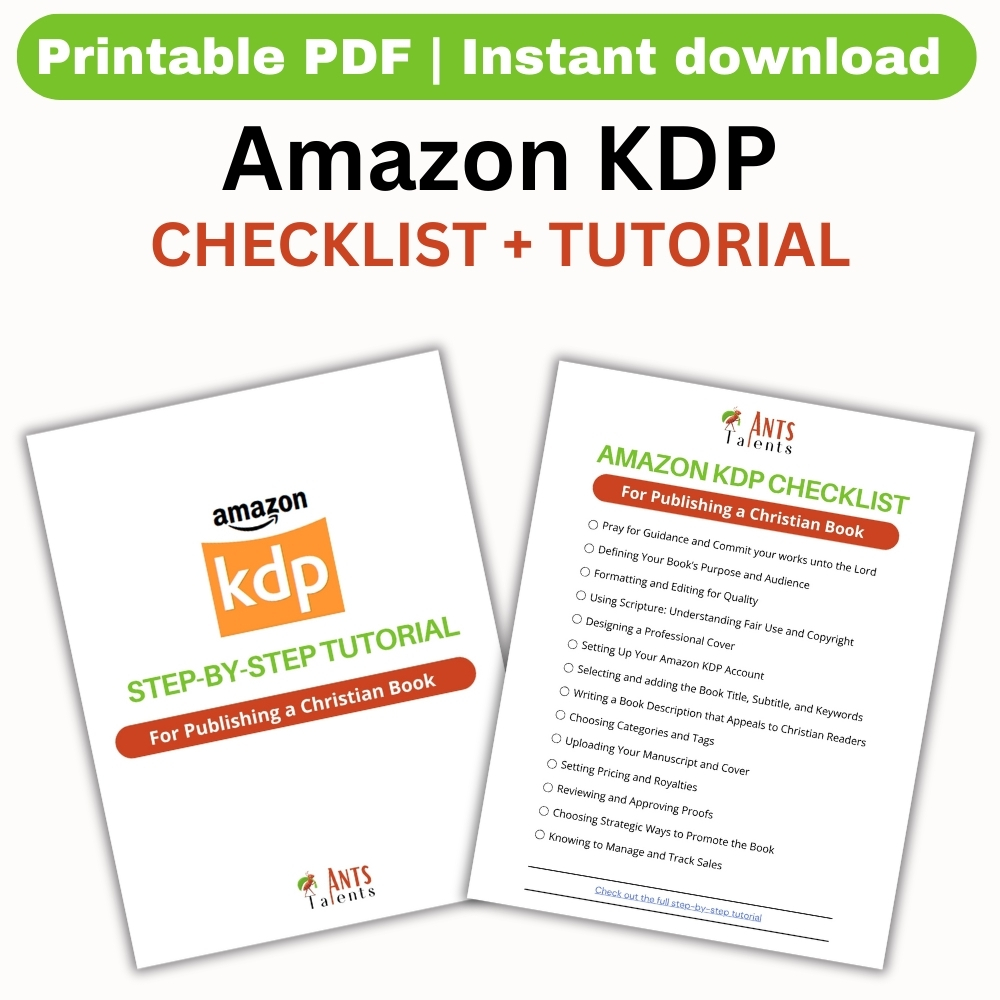
Before you hit the upload button, run through this final checklist to ensure every detail is accounted for:
- Manuscript: Proofread, formatted correctly, and free of widows/orphans.
- Cover: High-resolution, genre-appropriate, and includes spine/back cover if applicable.
- Metadata: Title, subtitle, and description optimized with keywords; categories and keywords selected strategically.
- Pricing: Competitive and aligned with your goals; royalty structure understood.
- Pre-Launch: Pre-order listing live; ARC team recruited; promotional plan in place.
- Post-Launch: Review strategy mapped out; marketing plan ready to execute.
Once you’ve ticked off every item, take a deep breath and hit upload. The KDP system will run its checks, and if you’ve followed this guide to the letter, your book should sail through with nary a hiccup. But remember—this is just the beginning. The real work lies in marketing, engaging with readers, and continuously refining your craft. With this checklist as your guide, you’re not just publishing a book; you’re launching a legacy.
May your words find their way into the hands of eager readers, and may your journey as an author be as rewarding as the stories you tell. The world is waiting for your voice—now go make it heard.


Leave a Comment