Understanding the basic elements of art is crucial for anyone seeking to delve deeper into the realm of artistic pursuits. Among these fundamental components, “form” as an element of art plays a pivotal role in shaping visual experience. It embodies the three-dimensional aspects of an artwork, encapsulating both volume and perspective. In this article, we will explore the intricacies of form, its attributes, types, and significance in the broader context of art fundamentals.
Defining Form: An Overview
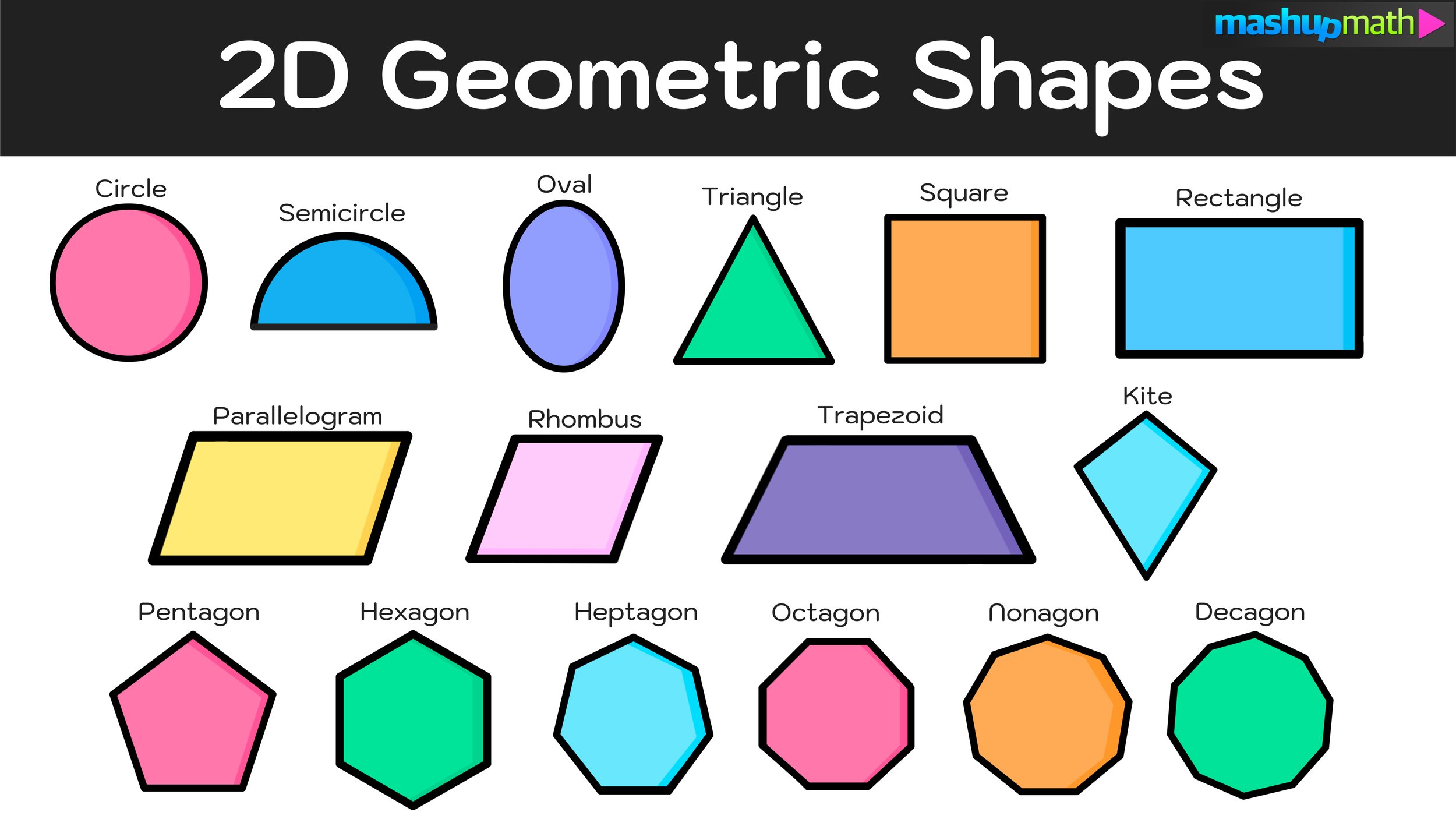
Form pertains to the physical shape of an object, manifesting in three dimensions—height, width, and depth. This complexity is what distinguishes it from other art elements such as line, shape, or color, which exist predominantly in two dimensions. In visual arts, form can be observed in both natural and manmade entities, contributing to the convincing illusion of reality in a two-dimensional space. Artists achieve this by strategically employing techniques that create an authentic sense of volume, enabling viewers to appreciate the depth and fullness of their creations.
The Dichotomy of Form: Geometric vs. Organic
Forms can primarily be classified into two broad categories: geometric and organic. Geometric forms are precise and mathematically defined, often characterized by regularity. Think of cubes, spheres, cones, and cylinders—these shapes adhere to predictable parameters and exhibit clear lines and angles. Artists often utilize geometric forms to evoke feelings of order and structure. A quintessential example can be found in the works of artists like Piet Mondrian, whose abstractions celebrate geometric precision.
Conversely, organic forms tend to diverge from rigid structures, presenting shapes that mimic the irregularities found in nature—think of the fluidity of a leaf, the curvature of a human figure, or the asymmetrical silhouette of a cloud. These forms evoke spontaneity and emotional resonance, inviting a more intimate connection between the artwork and its audience. The emotive power of organic forms is exemplified in the sculptures of Henry Moore, where soft contours and biomorphic shapes invite contemplation and reflection.
The Role of Volume in Artistic Expression
Volume is a quintessential aspect of form. Through the perceptive manipulation of line and shadow, artists can create the illusion of solid mass. This volumetric consideration not only serves aesthetic appreciation but also aids in storytelling within art. For instance, in classical sculpture, the mastery of volume is evident in the way figures convey movement, emotion, and life. Consider Michelangelo’s David; the painstaking attention to the mass and weight of the figure contributes to a palpable sense of realism that captivates viewers.
In painting, volume is achieved through color variations and contrasting shades. Artists often use chiaroscuro—a technique that juxtaposes light and shadow—to craft the illusion of depth. This interplay offers a three-dimensionality to otherwise flat surfaces, enticing the viewer to engage not just visually but also emotionally. Impressionist painters like Claude Monet utilized such techniques to give their landscapes an ethereal ambiance, transforming light into tangible form.
Perspective: Manipulating Space
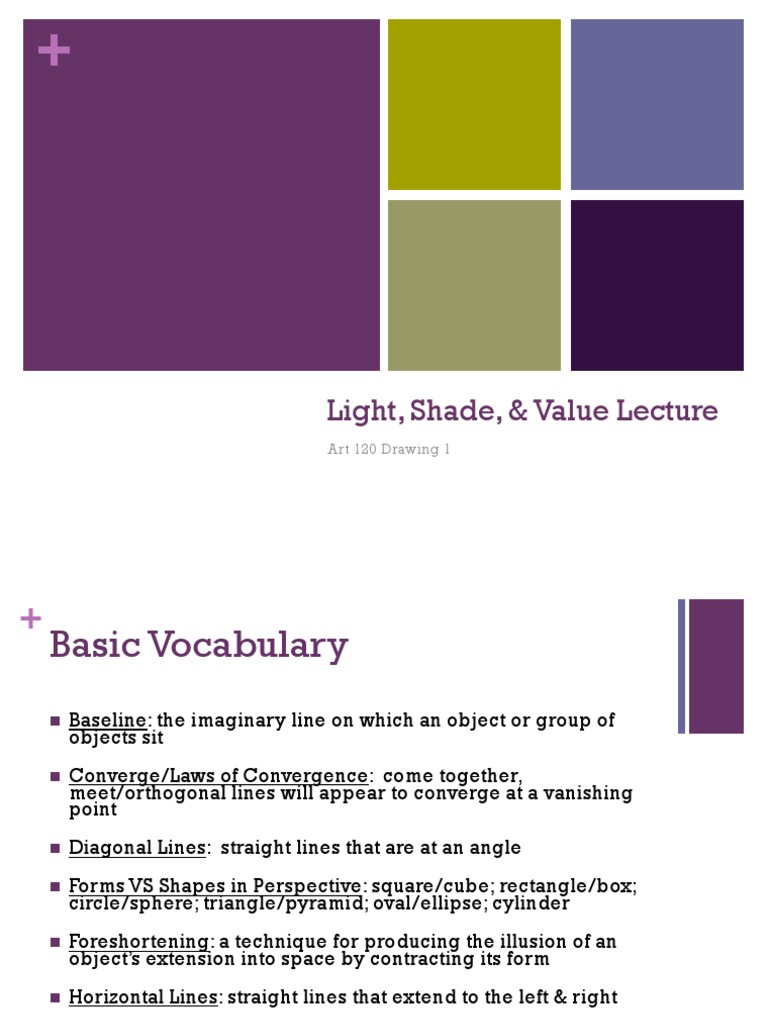
Perspective stands as a cornerstone in the representation of form, as it deals with the spatial relationship between objects within a composition. By employing linear perspective, artists can manipulate the dimensions of forms to create a compelling sense of depth. This method involves drawing vanishing points upon a horizon line, allowing the viewer’s eye to navigate through the work seamlessly. Renaissance masters like Leonardo da Vinci and Raphael expertly employed this technique, drawing audiences into their pictorial worlds.
There are also atmospheric or aerial perspectives, which utilize color and clarity to suggest depth. An artist may portray distant objects with softer edges and a muted palette, reinforcing the illusion of receding space. This technique embodies the principles of how the human eye perceives distance, cleverly guiding the viewer’s appreciation of the artwork’s spatial dynamics.
The Emotional Resonance of Form
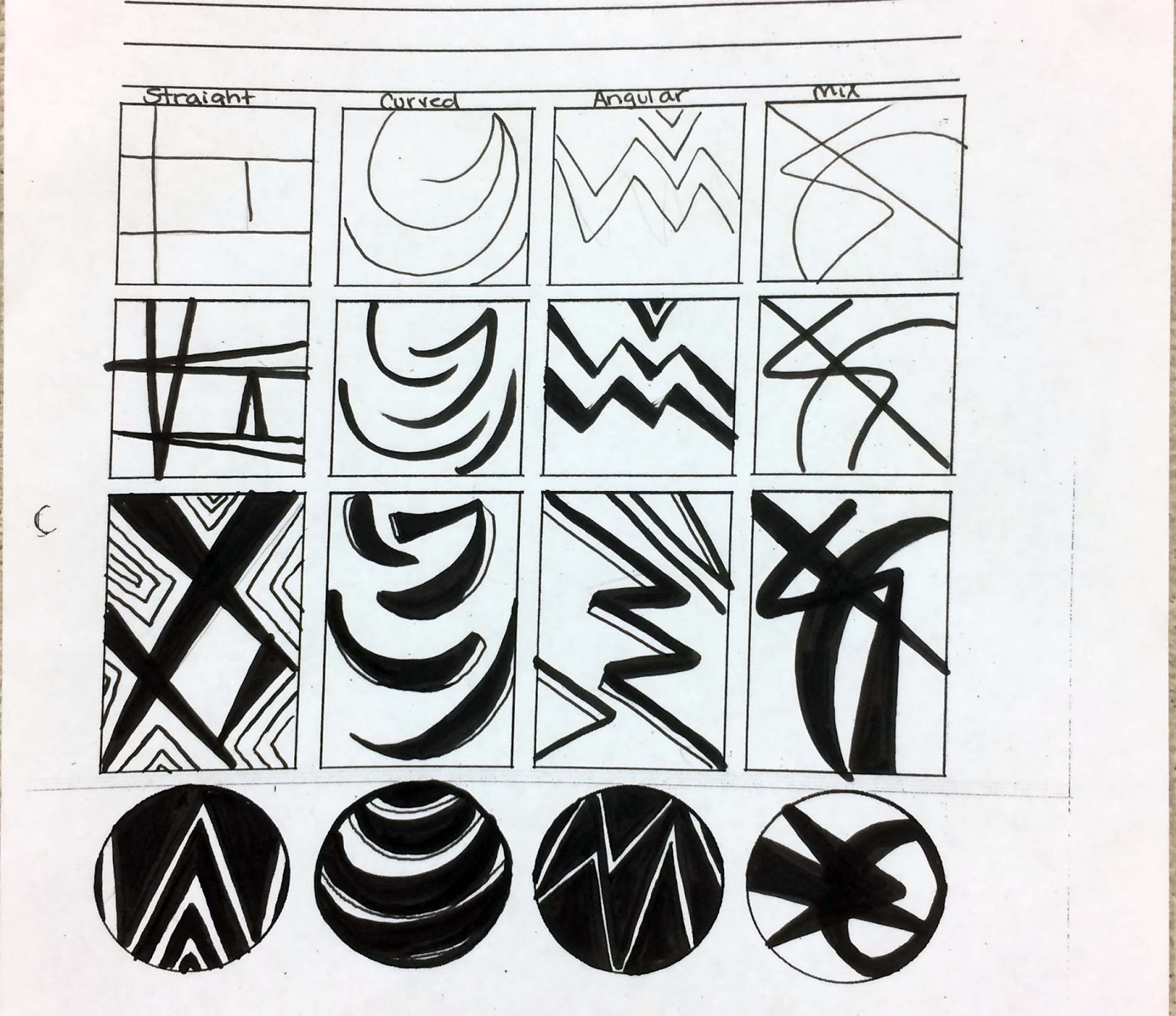
Beyond mere representation, form encapsulates emotional and conceptual expressions in art. The choice of form can convey specific narratives or evoke particular sentiments. For example, angular and aggressive forms might be employed to signify tension or conflict, while soft, rounded forms can evoke tranquility or comfort. The incidental relationships between forms, their orientations, and interactions can create a narrative beyond the visual, inviting viewers into a deeper dialogue with the piece.
Form in Contemporary Art
In the contemporary art landscape, the exploration of form has evolved significantly. Artists began to challenge traditional notions, experimenting with mixed media and performance. Sculptors such as Anish Kapoor and Damien Hirst have utilized unconventional materials and forms, blurring the lines between sculpture and installation. Their works often invite viewers to reconsider the relevance of form as an element of art, expanding it into immersive experiences that transcend mere visual appreciation.
Conclusion: The Enduring Significance of Form
To comprehend and appreciate form is to grasp the very fabric of artistic expression. It serves as a bridge connecting creators and spectators, facilitating a rich dialogue laden with complexity—both visual and emotional. From the classical to the contemporary, the investigation of form illustrates the dynamic interplay between volume, perspective, and the experiential nature of art. Understanding these fundamental principles will enhance one’s appreciation of art across epochs, revealing the layers of meaning that lie within the simplest of shapes.