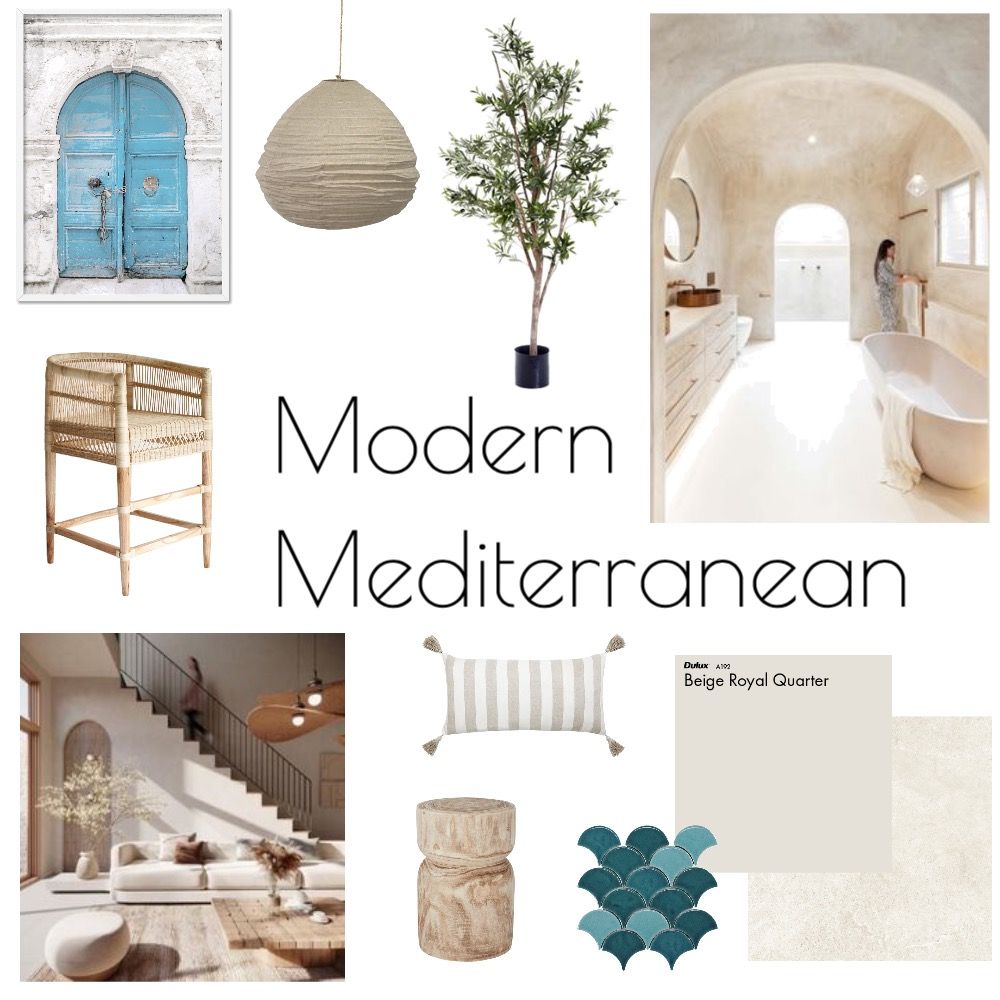
In the world of interior design, the application of color theory is an integral aspect that significantly influences aesthetics and ambiance. Understanding the fundamental principles of design, particularly color theory, allows interior designers and enthusiasts alike to masterfully balance mood and style. This journey begins with an exploration of the basic principles of design that serve as the foundation for achieving harmonious interiors.
1. The Principles of Design
The principles of design encompass various components that dictate how elements come together in a space. Key principles include balance, contrast, emphasis, movement, pattern, rhythm, and unity. Each plays a crucial role in creating a cohesive environment, and color is a vital tool in each of these areas.
2. Understanding Color Theory
Color theory involves the study of how colors interact with each other and their psychological effects on the observer. At its core, color theory is divided into three main categories: primary colors, secondary colors, and tertiary colors. Primary colors—red, blue, and yellow—cannot be created by mixing other colors, while secondary colors arise from blending these primaries. Tertiary colors emerge when a primary color is combined with a secondary color. This intricate web of colors offers a palette from which interior spaces can be cultivated, dictating everything from wall paint to decorative accents.
3. The Color Wheel and Harmonious Combinations
The color wheel is a formidable tool for designers, facilitating the exploration of harmonious color combinations. The most prevalent schemes include:
- Monochromatic: This scheme utilizes variations in lightness and saturation of a single hue, creating a soothing and cohesive look.
- Analogous: Comprising colors that are next to each other on the color wheel, this approach is visually pleasing and often found in nature, fostering tranquility.
- Complementary: Colors directly opposite each other on the wheel create striking contrasts that energize a space, albeit requiring a careful balance to avoid overwhelming effects.
Utilizing these combinations strategically can lead to visually stunning spaces that resonate with the desired mood.
4. The Psychological Impact of Color
Beyond aesthetic appeal, colors invariably influence human emotions and behaviors. For instance, warm colors like red and yellow can evoke feelings of warmth and energy, while cool colors such as blue and green often elicit tranquility and relaxation. This psychological dimension is paramount in interior design. For instance:
- Red: This dynamic hue can create an intimate yet stimulating atmosphere, making it ideal for dining rooms or lounges.
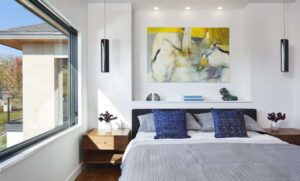
- Blue: Renowned for its calming properties, blue is a common choice for bedrooms and bathrooms.
- Yellow: Associated with optimism, yellow can brighten spaces, making it a natural fit for kitchens or playrooms.
By consciously implementing colors that influence mood in targeted ways, a designer can skillfully curate an environment that aligns with its purpose.
5. Balance: The Keystone of Design
One of the most critical principles in design is balance. Achieving a sense of equilibrium means distributing visual weight proficiently throughout a space. Color plays a significant role in this distribution. There are two primary forms of balance:
- Symmetrical Balance: This traditional approach uses equally arranged colors and elements, promoting a sense of stability and formality.
- Asymmetrical Balance: More dynamic and contemporary, asymmetrical balance combines different colors and elements that, while varied, achieve visual equilibrium.
Through the insightful application of colors and their combinations, designers can enhance the balance of a room while maintaining an engaging visual narrative.
6. Building a Cohesive Style
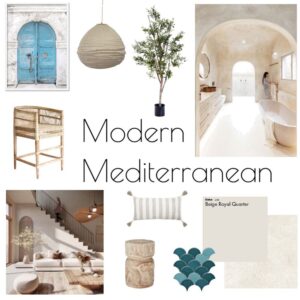
The use of color theory not only enhances mood but also ensures a coherent style throughout an interior space. By adhering to a defined color palette and considering how different hues interact visually, designers create an environment that feels both harmonious and intentional. This is where the interplay of architecture, furnishings, and décor becomes critical. For example, a modern minimalist space may benefit from a monochromatic palette of greys and whites, while a bohemian space could thrive with an eclectic mix of vibrant colors and patterns.
7. Practical Applications in Interior Design
Translating color theory into practical design applications involves careful consideration of all the elements—from wall color and flooring to textiles and accessories. Here are key considerations:
- Walls and Ceilings: The choice of paint color can set the tone for the entire space. Light colors can make rooms feel larger, while darker colors can create a cozy effect.
- Furniture and Textiles: Upholstery colors work in tandem with walls to unify the design. Mixing patterns can create visual interest, but should align with the color scheme to maintain cohesion.
- Art and Accessories: Integrating artwork and decorative items that echo the chosen color palette enhances the overall style and emphasizes design principles like emphasis and movement.
Conclusion
In the intricate tapestry of interior design, color theory serves as both a guiding compass and an expressive language. From establishing balance to influencing mood, the application of color is a dynamic journey that reflects personal style and enhances the utility of spaces. Designers who embrace these principles can create environments that not only please the eye but also nourish the spirit, ultimately crafting a quintessential sanctuary that resonates with the inhabitants.