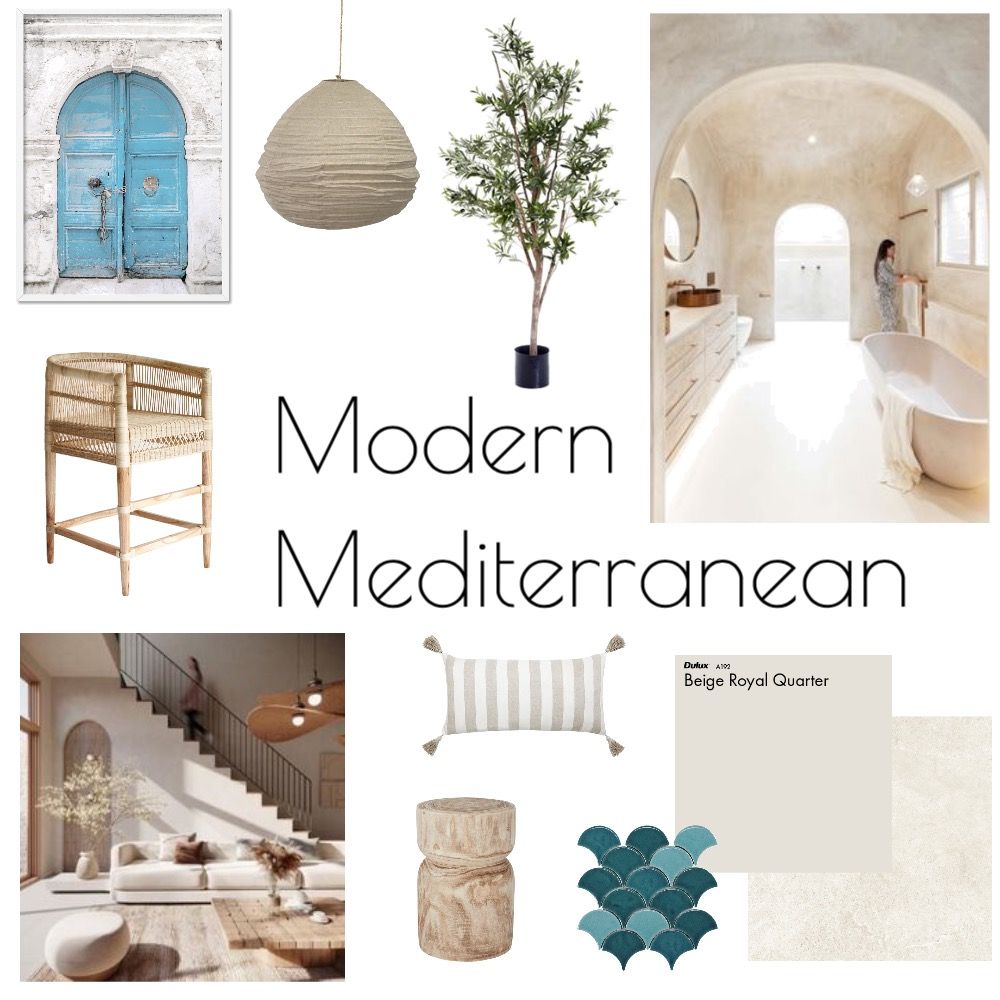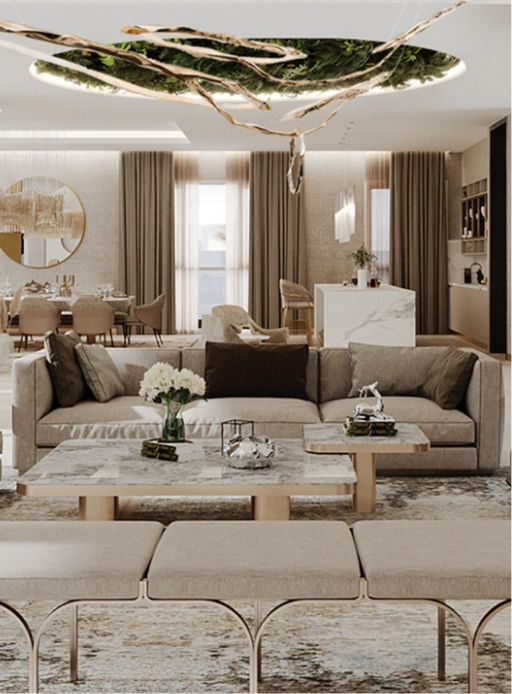
Creating a cohesive design theme throughout a space is akin to orchestrating a symphony where every note, rhythm, and melody must harmonize. It is an intricate dance of aesthetics and functionality, enveloping the observer in a seamless experience. The principles of design serve as the foundation for this creative endeavor, guiding the process of blending colors, textures, and forms into a unified whole.
Embarking on the journey of cohesive design begins with understanding the fundamental principles that govern it. These principles include balance, contrast, emphasis, movement, pattern, rhythm, and unity. Each element plays a pivotal role, influencing the visual and emotional impact the space has on its inhabitants.
Balance: Finding Equilibrium
Balance is the cornerstone of any successful design. It can be categorized into two types: symmetrical and asymmetrical. Symmetrical balance exudes a sense of order and tranquility, where elements are mirrored across a central axis. This method is particularly effective in traditional or classic spaces, imparting a feeling of stability.
Conversely, asymmetrical balance harnesses dynamism and energy. By distributing visual weight unevenly but effectively, it creates intrigue and movement. Imagine a contemporary living room, where a voluminous sofa is offset by a slender floor lamp. This juxtaposition pulls the eye through the room, encouraging exploration and interaction.
Contrast: The Art of Differentiation
Contrast is the dramatic flair that spices up a design. It can be achieved through color, shape, size, and texture. High contrast—such as pairing a dark navy wall with pristine white accents—demands attention and evokes emotion. Alternatively, low contrast presents subtle nuances, cultivating a serene atmosphere. A monochromatic color scheme, interspersed with varied textures, may offer a soothing, cohesive effect.
Cultivating contrast is essential for creating focal points within a space. Without emphasis, a room can feel flat and uninspired. By strategically placing contrasting elements, you invite observers to engage with the space. Picture a richly textured tapestry against a smooth wall—this singular shift in contrast draws the eye and enlivens the surrounding decor.
Emphasis: Creating Focal Points
Emphasis serves to guide the viewer’s gaze and establish a hierarchy within the space. It is the anchor upon which design elements revolve. This can be achieved through scale, color, and placement. A grand chandelier hanging from a soaring ceiling draws the eye upward, making the space feel expansive and inviting.
Art pieces, vibrant furnishings, or architectural details can become dramatic focal points. Their strategic placement not only stylizes a room but also tells a story—each piece contributing to the overarching narrative of cohesion.
Movement: Guiding the Eye
Movement in design is the visual flow established by the arrangement of elements. This principle orchestrates how the eye traverses the space, creating a sense of rhythm and direction. Techniques, such as lines and pathways, can guide the observer’s attention. Consider a hallway lined with artwork—the eyes naturally follow the progression, leading viewers into the next area.
Incorporating organic lines can evoke a sense of fluidity, while geometric shapes may offer a more structured, regimented feel. The interplay between these forms fosters a sense of dynamic movement, inviting continued exploration and engagement within the space.
Pattern: The Subtle Complexity
Pattern introduces visual intrigue, bridging repetition and variety within design. It can be expressed through textiles, wallpapers, and decor. The delicate layering of patterns adds depth and complexity, creating a multisensory experience. However, moderation is key; overuse can lead to chaos rather than cohesion.
Consider a room adorned with intricate patterned cushions contrasted against a simpler backdrop—here, each piece resonates with the others, yet maintains its individuality. This thoughtful curation ensures that patterns complement rather than compete, crafting a harmonious aesthetic.
Rhythm: The Repetition of Elements
Rhythm in design is akin to the cadence of music, formed by the repetition of elements. This principle fosters unity and creates a sense of pacing throughout the space. Repeating colors, shapes, or materials can establish an underlying order, guiding users through visual transitions.
For instance, incorporating repeated motifs from a textile across artworks or furniture can create a cohesive theme that feels both intentional and organically connected. This deliberate repetition harmonizes the space, reinforcing a continuity that resonates with the eye and the spirit.
Unity: The Harmonious Whole
Ultimately, the goal of every design endeavor is unity—the seamless integration of all elements into a cohesive whole. Unity synthesizes balance, contrast, emphasis, movement, pattern, and rhythm. A well-executed design unifies disparate elements into an experience that feels larger than the sum of its parts.
To achieve unity, consider the overall vision for the space. What emotions do you wish to evoke? What story do you want the environment to tell? When each element works synergistically toward these objectives, the result is a design that feels authentically cohesive.
Conclusion: The Transformative Power of Design
The principles of design provide a robust framework for creating a cohesive theme throughout a space. By adeptly navigating balance, contrast, emphasis, movement, pattern, rhythm, and unity, designers can curate environments that resonate deeply with their inhabitants. Each choice and arrangement influences not only the aesthetic appeal but also the emotional experience of anyone who enters.
As you embark upon your design journey, consider these principles as your compass. Let them guide your choices, awaken your creativity, and ultimately transform your space into a harmonious sanctuary that reflects your unique vision. The mystical interplay of design principles invites endless exploration—so delve in, and let your creativity flourish.