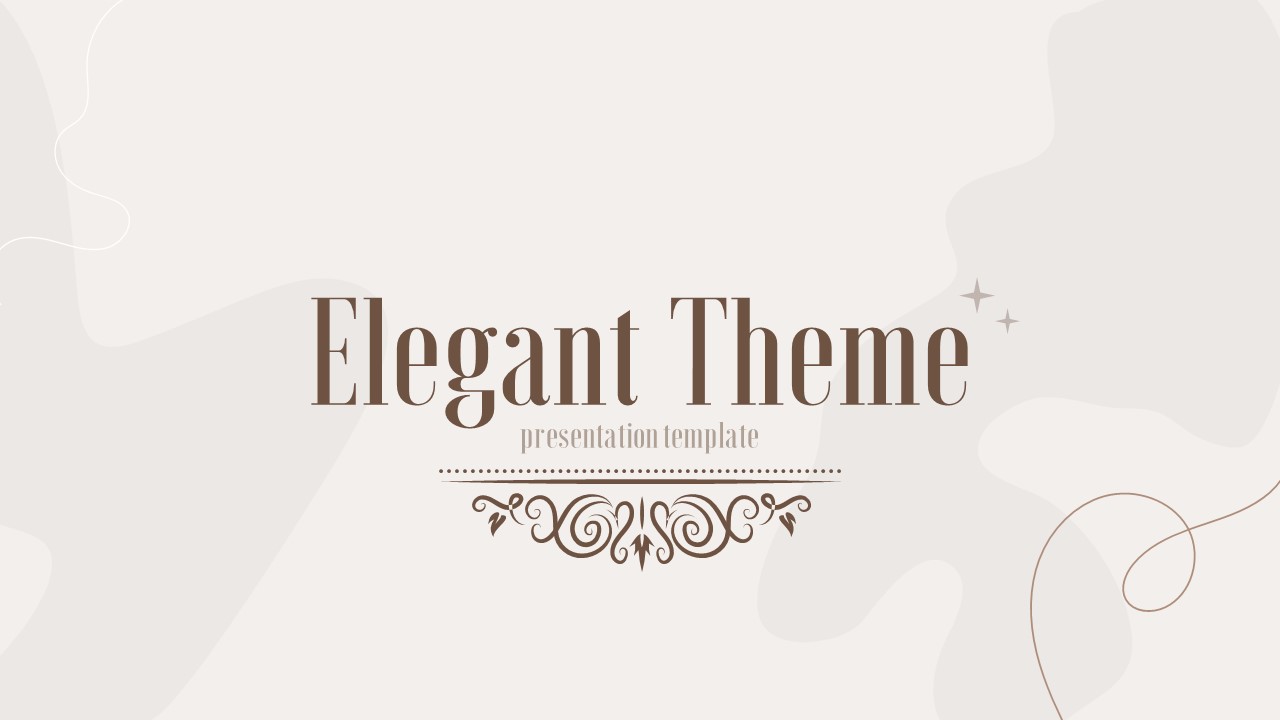
Creating PowerPoint slides that are not only effective but also visually stunning is an essential skill in today’s digital landscape. The principles of design provide a fundamental framework that can guide anyone to craft presentations that captivate and engage their audiences. Let’s delve into the intricacies of art fundamentals and how they relate to crafting elegant PowerPoint slides.
Understanding the Principles of Design
At the core of any compelling design lie key principles that dictate how visual elements are arranged and perceived. These principles serve as guiding tenets that direct the flow of creating aesthetically pleasing slides. Whether one is a novice or a seasoned pro, understanding these principles is critical.
1. Balance
Balance refers to the distribution of visual weight in a design. It can be symmetrical or asymmetrical. Symmetrical balance offers a sense of order and stability—a mirrored arrangement that soothes the observer. In contrast, asymmetrical balance can evoke dynamism and energy by distributing elements unevenly while still retaining harmony. For PowerPoint slides, finding the appropriate balance enhances readability and guides viewer focus, making it imperative to consider when laying out content.
2. Contrast
Contrast is an indispensable principle that accentuates differences between elements. It can be applied through color, size, shape, or texture. In a PowerPoint presentation, high contrast improves legibility and draws attention to key points. For example, pairing a dark background with light text effectively highlights important information. It’s more than merely aesthetics; contrast facilitates comprehension and retention.
3. Hierarchy
Hierarchy is the arrangement of elements to signify importance. It guides the viewer’s eye to follow the intended path through the information presented. In PowerPoint, this can be achieved by varying font sizes, colors, and placement. For example, using a larger font for headings and a smaller font for body text creates a natural flow of information, allowing audiences to absorb content effortlessly.
4. Repetition
Repetition is the principle that fosters cohesiveness within a presentation. By consistently employing certain design elements—like colors, fonts, and logos—throughout the slides, a unified theme emerges. This principle encourages brand recognition and fosters familiarity, making the entire presentation feel deliberate rather than haphazard.
5. Alignment
Alignment is the organizing principle that brings order to the chaos of layouts. Proper alignment spoon-feeds the viewer a sense of structure, enabling them to navigate the content intuitively. Text and images that are aligned either to a grid or to each other create a polished appearance. In PowerPoint presentations, alignment can be easily achieved using the built-in gridlines and snap-to features that ensure elements are strategically placed.
Utilizing Color Effectively
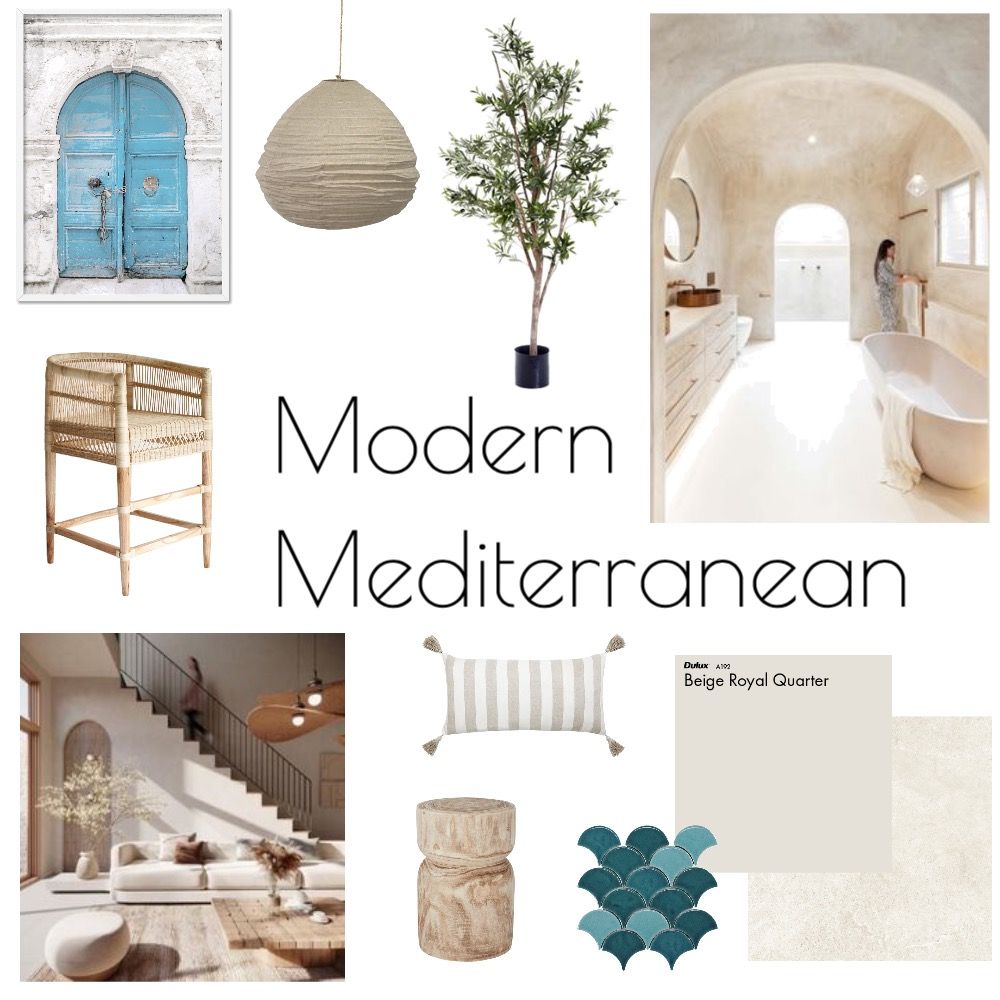
Color plays an integral role in the emotional response elicited from a PowerPoint presentation. Choosing a color palette that complements the audience and the message elevates the overall impact of the slides. An elegant color scheme often includes muted or complementary shades that promote a sophisticated atmosphere.
For instance, adopting a monochromatic scheme with varying tones of a single color can impart a sense of refinement. Alternatively, a triadic color scheme that uses three equally spaced colors on the color wheel can create a vibrant yet harmonious look, ideal for engaging presentations. Understanding color theory aids in making informed choices that resonate with the intended message and audience.
Typography Matters
Typography is the art of arranging type. A well-chosen font not only enhances readability but also affects the mood of the presentation. Combining different font styles—such as a classic serif for headers and a clean sans-serif for body text—facilitates a sophisticated look. However, it’s crucial to limit the number of different fonts to maintain cohesion.
Moreover, considerations of font size and spacing can significantly affect the details of readability. Ensuring that text is adequately sized for visibility, while maintaining appropriate line spacing and margins, contributes immeasurably to the elegance of a slide.
Imagery and Graphics
Images and graphics can significantly enhance a presentation. A well-chosen image can encapsulate complex ideas, providing visual shorthand that resonates with audience members. However, the quality of images is paramount; pixelated or poorly cropped visuals can detract from the overall elegance of a slide. Opt for high-resolution images that complement textual content, ensuring they contribute rather than overshadow the message.
Incorporating graphics, such as charts and infographics, can represent data in an accessible format. Utilizing design tools to create custom graphics can further elevate the presentation, capturing the audience’s interest while simplifying complex information.
White Space: The Underrated Hero
White space—or negative space—is the void surrounding design elements. It’s a common misconception that more content leads to better engagement. In truth, white space is crucial for clarity and emphasis. It prevents slides from appearing cluttered and allows the viewer’s focus to rest on the key elements being conveyed. Skillful use of white space elevates a presentation, giving it an air of sophistication.
Conclusion
Mastering the principles of design is indispensable for creating elegant and visually stunning PowerPoint slides. By understanding balance, contrast, hierarchy, repetition, alignment, color, typography, imagery, and the use of white space, one can transform a mundane presentation into a visual feast. Crafting slides that are not merely informative but are also aesthetically appealing can significantly enhance communication and leave a lasting impression on audiences.
Ultimately, the goal is to engage and communicate effectively. Investing time in mastering these design principles not only invigorates presentations but also enriches the overall experience for both the presenter and the audience. Embrace the art of design, and watch as your PowerPoint slides become beacons of elegance and insight.