Art, in its myriad forms, serves as a vessel for human experience, reflecting our emotions, thoughts, and aspirations. At the heart of successful visual communication lies an intricate interplay of design principles. Among these, asymmetrical balance emerges not merely as a technique but as a philosophy—an embodiment of the chaotic beauty that pervades life itself. Asymmetrical balance eschews traditional expectations, challenging the viewer’s perception and inviting intrigue, much like a well-composed symphony that entices the ear with surprising harmonies.
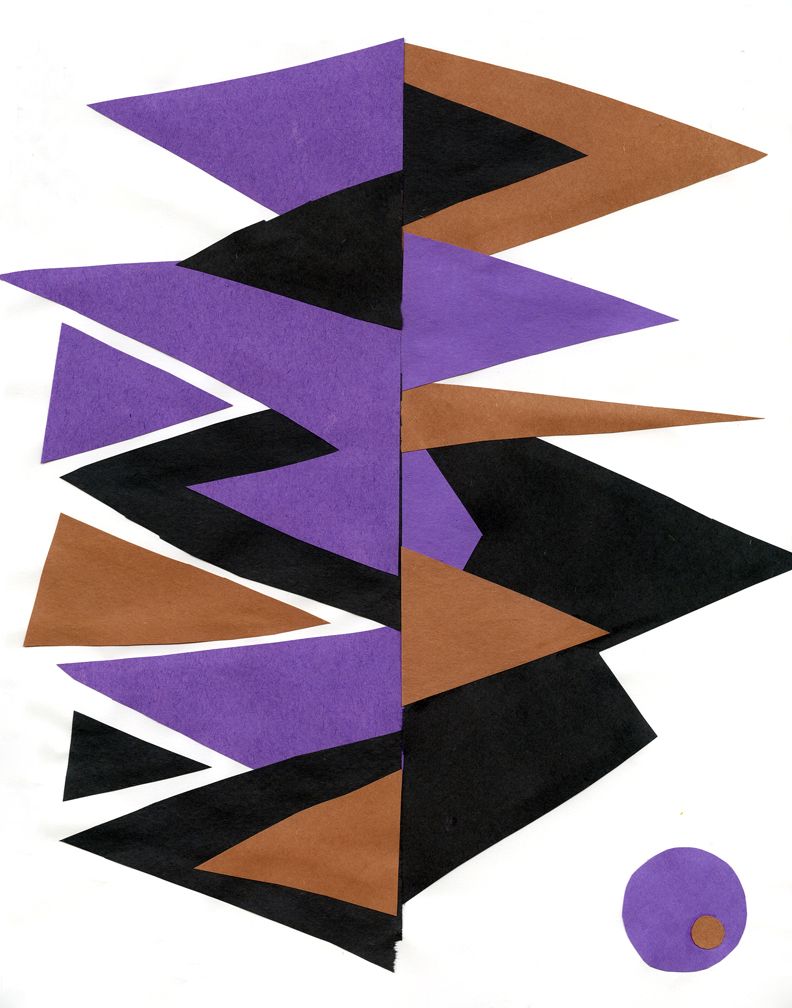
To fully appreciate the significance of asymmetrical balance, it is vital to differentiate it from its counterpart, symmetrical balance. While symmetrical balance adheres to strict organizational symmetry, presenting a mirror-like quality that evokes feelings of stability and predictability, asymmetrical balance revels in diversity and tension. It juxtaposes disparate elements in a manner that generates equilibrium without reliance on corresponding halves. This principle imbues compositions with dynamism, stimulating the viewer’s engagement and encouraging a more active contemplative experience.
Imagine a tranquil pond, its surface reflecting the serene surroundings. This is the essence of symmetrical balance—calm, controlled, and soothing to the mind. Now, envision a wild river, twisting and turning with unpredictable eddies. This turbulent water embodies asymmetrical balance, where the spontaneity of movement creates an exhilarating visual journey. In the realm of art and design, embracing the unpredictable nature of asymmetrical balance allows the creator to reflect life’s ceaseless complexities and undulating energies.
Asymmetrical balance finds expression across an array of artistic disciplines—from painting and photography to graphic design and architecture. Each medium leverages this principle to convey messages that resonate more authentically with audiences. For instance, in a painting, the placement of a bold, vivid subject on one side directs the viewer’s gaze while counterbalancing it with muted colors or softer forms on the opposite side. This visual dichotomy engages viewers, compelling them to explore the canvas and discover the narrative woven within.
The sonic equivalent can be found in music. Picture a symphony orchestra, where a powerful crescendo on one side is delicately balanced by a subtle, whispering string arrangement on the other. This auditory experience exemplifies the beauty of balance through contrast, resonating deeply within the audience. Art functions similarly, using asymmetrical balance to create harmony from seeming discord, turning tension into a meaningful dialogue.
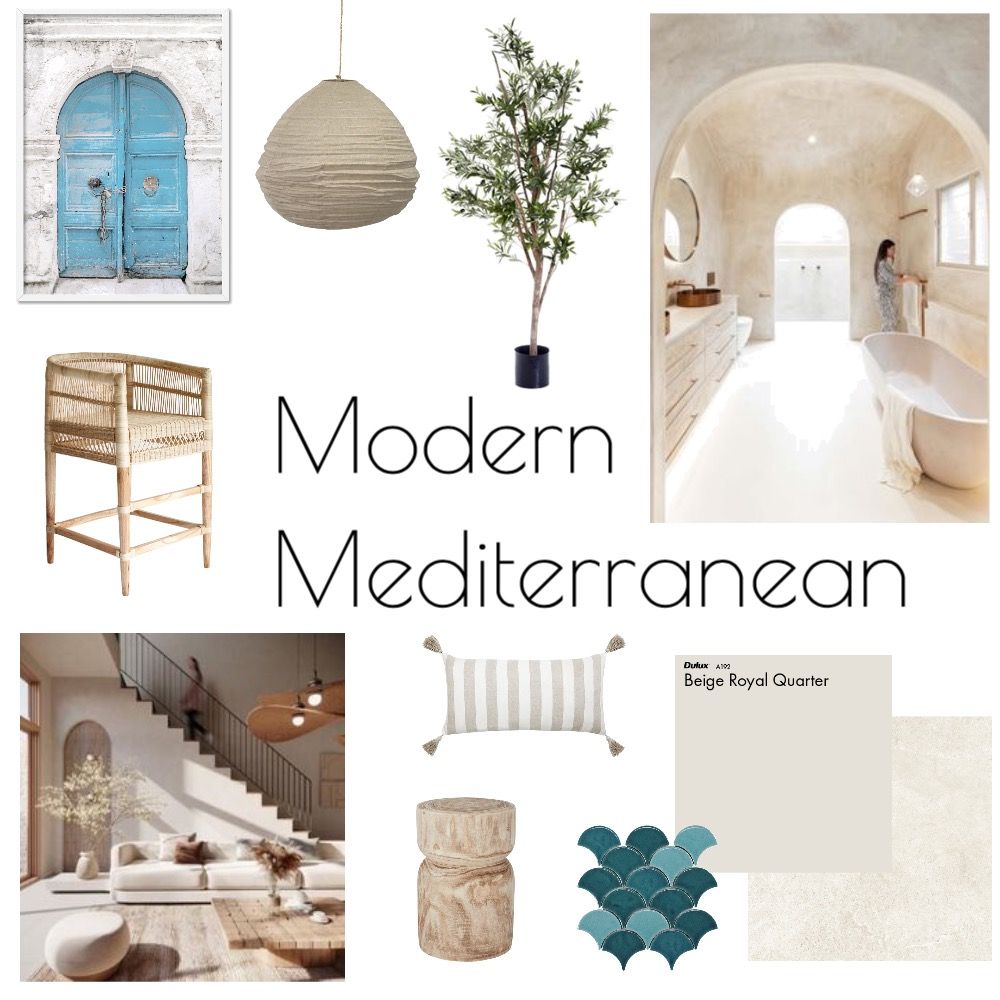
In graphic design, asymmetrical balance becomes a magnet for attention. Designers often pivot toward this principle, utilizing bold typography, image placements, and negative space to craft compositions that intrigue and delight. The dance between various elements—color, form, texture—creates a juxtaposition that invites curiosity. This captivating dynamic leads viewers through the design, urging them to engage rather than simply observe. It fosters a connection, awakening emotions and ideas that might otherwise remain dormant.
Moreover, asymmetrical balance is particularly effective in conveying narrative and emotion. A photograph that employs this technique might capture a solitary figure standing to one side, surrounded by an expansive landscape. The viewer’s eye is drawn across the image, traversing the vastness, while the subject’s positioning imbues the scene with a sense of longing or contemplation. This emotional resonance elevates the artwork, transforming it from mere representation to an evocative experience.
To illustrate this principle in a practical context, consider the layout of a magazine page. An article may place a striking image—perhaps of a bustling cityscape—offset to one side, while the accompanying text meanders in a thoughtful arrangement on the opposite side. The resulting asymmetry creates visual intrigue, encouraging readers to linger on the page and absorb both the imagery and the written content. In such a design, balance is not merely about visual pleasure; it’s about crafting a narrative that flows seamlessly, leading the audience on a journey of exploration.
Furthermore, asymmetrical balance is crucial for establishing a visual hierarchy. By strategically positioning elements, designers command attention, guiding the viewer’s eye to the most important components of the composition. Strong diagonal lines can lead the gaze across different planes, creating pathways that enhance usability and comprehension, especially in web design where effective navigation is essential. Here, asymmetrical balance not only enhances aesthetics but also facilitates functionality, balancing beauty with usability in the digital landscape.
The allure of asymmetrical balance also lies in its relatability. It mirrors the multifaceted nature of our lives, where opposing forces coexist and interact. The principle encourages a departure from rigid conformity, inviting artists and designers to explore original expressions and narratives. This deviation fosters creativity, inspiring innovative approaches and uncharted explorations within the realm of visual communication.
In summation, asymmetrical balance is more than a key principle of design; it articulates a profound philosophy that celebrates the complexity and richness of human experience. By daring to embrace contrast and tension, artists and designers alike can forge connections that resonate deeply with their audiences. Ultimately, it is this delicate equilibrium between chaos and control that breathes life into artistic expressions, allowing them to evolve and flourish in a world that constantly shifts and transforms.
Asymmetrical balance beckons readers and viewers to perceive beyond traditional narratives, inviting them to immerse themselves in a dynamic exploration of form and meaning. By unraveling the threads of this principle, one uncovers the vibrant tapestry of art and design, rich with possibilities that tantalize the senses and engage the intellect. It is in this exquisite balance—teetering between the predictable and the unforeseen—that true artistry flourishes.