When embarking upon the vast and intricate landscape of art, one fundamental aspect stands eminent: the line. This quintessential element serves as a vital building block in the creation of visual narratives, imbued with both meaning and emotion. Lines can be as diverse as the artists who wield them, evoking dynamic sentiments and articulating profound concepts across myriad forms. This exploration delves deep into the definition of line, its various types, notable examples, and how artists adeptly utilize lines in their work.
Understanding Line: A Definition
At its core, a line is a continuous mark made on a surface that spans between two points. Yet, it transcends this straightforward definition, representing a multitude of characteristics that can influence perception and convey complex ideas. Lines may vary in width, direction, texture, and length, leading to a rich tapestry of visual possibilities. Artists manipulate these attributes to express motion, emotion, and narrative, rendering the line not merely a tool but an integral voice in the artwork.
The Types of Line
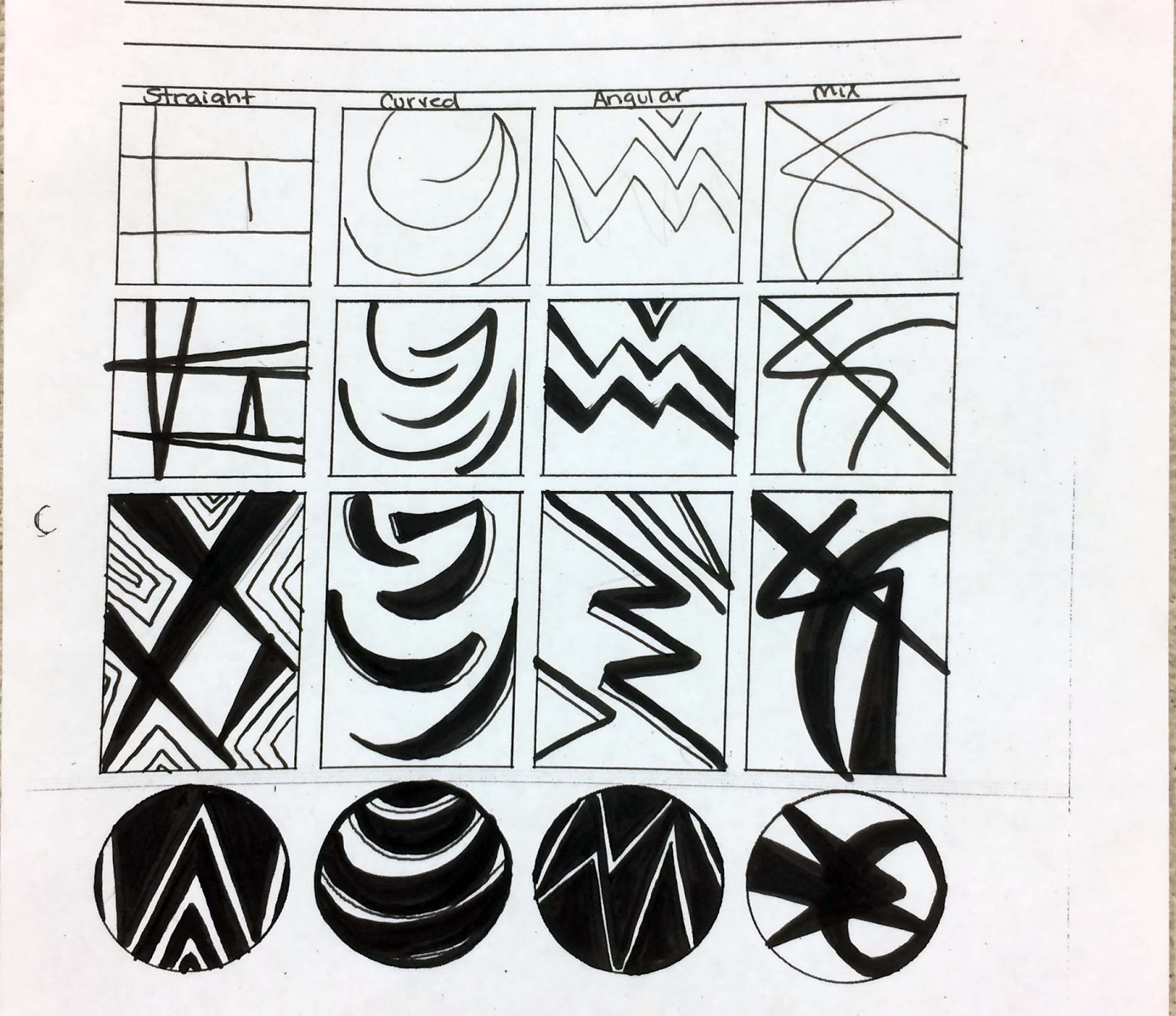
Lines can be categorized into several distinct types, each carrying its own unique connotations and aesthetic implications:
- Straight Lines: The epitome of precision, straight lines convey order, stability, and a sense of direction. They possess a clean, unblemished quality that can create a formal ambiance within a composition. Artists such as Piet Mondrian masterfully harness straight lines to create rhythmic grids that exude a balance of harmony and structure.
- Curved Lines: In contrast, curved lines embody fluidity and grace, evoking feelings of softness and movement. They can lead the viewer’s eye around a composition, often creating a sense of dynamism and vitality. Artists like Henri Matisse utilized curved lines to foster an organic and immersive experience, inviting individuals into the vibrant worlds they conjured.
- Diagonal Lines: These lines are synonymous with energy and motion. Their inclination implies action and tension, effectively drawing viewers toward a particular direction within the artwork. The legendary works of Jackson Pollock showcase diagonal lines as a means of invigorating canvases, imparting a visceral sense of spontaneity and chaos.
- Zigzag Lines: Characterized by abrupt changes in direction, zigzag lines evoke a sense of agitation or excitement. They can instill unease or tension within the viewer, serving as a powerful element in dramatic compositions. For instance, the works of expressionists often employ zigzag lines to mirror emotional turmoil and societal angst.
- Implied Lines: Unlike their tangible counterparts, implied lines are not physically present; rather, they are perceived through the juxtaposition of shapes and forms. This subtle suggestion can lead the viewer’s gaze, creating connections between disparate elements. This technique is utilized brilliantly by artists like Gustav Klimt, who orchestrate implied lines to draw attention to focal points within their ornamental compositions.
Examples of Line in Art
Throughout art history, lines have been imbued with significance, representing myriad emotions and concepts. A few exemplary pieces illuminate the transformative power of lines:
- “The Persistence of Memory” by Salvador Dalí: In this iconic painting, soft, melting clock forms are delineated with fluid, curved lines that create a dreamlike state. The winding lines evoke a sense of time’s fluidity and the surreal nature of memory.
- “Composition II in Red, Blue, and Yellow” by Piet Mondrian: Here, straight lines are deftly arranged to create a grid that exudes equilibrium and simplicity. The balance of primary colors against stark black lines gives rise to a sense of modernity and precision.
- “The Scream” by Edvard Munch: The zigzag lines of the turbulent sky in this iconic piece heighten the emotional intensity and existential angst experienced by the central figure. The lines become a visual manifestation of inner turmoil and anxiety.
How Artists Utilize Line
Understanding the significance of line in artistic expression serves to deepen appreciation of its nuanced application. Artists deploy lines in multifarious ways:
Line can guide composition, leading the viewer’s eye to specific focal points and ultimately dictating the narrative flow of the artwork. For example, in landscape painting, horizons often feature straight, horizontal lines paired with vertical elements like trees, resulting in an arresting juxtaposition that engages the eye.
Moreover, lines can convey texture and depth, imbuing two-dimensional surfaces with a semblance of three-dimensionality. Artists master the interplay of light and shadow using line work to simulate contours and volume, as seen in the intricate sketches of Leonardo da Vinci. Every stroke contributes to the illusion of form, breathing life into their subjects.
Additionally, lines can evoke emotional responses. They can be bold and assertive, like the vehement brushstrokes of an abstract expressionist, or soft and gentle, reflecting a tender moment in a portrait. The manipulation of line can create an atmosphere that resonates with the viewer on an emotional level, often communicating sentiments that transcend cultural and linguistic barriers.
Conclusion
The exploration of the line as a fundamental element of art reveals a boundless arena of possibilities for expression and creativity. From the delineation of forms to the conveyance of emotion, lines are not simply structural elements—they are narrative devices, emotional conduits, and visual pathways that artists skillfully manipulate to relay profound ideas. As one engages with art, the line remains an ever-present force, silently guiding perceptions, beliefs, and feelings. Through studying the myriad types and applications of line, viewers can attain a deeper understanding of the intricate layers that reside within each artwork, beckoning them to observe, reflect, and connect.