In the ever-evolving digital realm, understanding the art fundamentals—specifically the principles of design—serves as a catalyst for crafting high-converting websites. These principles function as the backbone of web design, guiding creators to curate visually appealing and functional interfaces that resonate with users. Herein lies an exploration of the most pivotal principles of web design, replete with insights on how they can dramatically affect conversion rates.
1. Balance: Harmonizing Elements
Balance is the cornerstone of aesthetic appeal in web design. It refers to the distribution of visual weight across a page, which can be achieved through symmetrical or asymmetrical arrangements. In a high-converting website, achieving balance is essential not only for creation of beauty but also for fostering user trust. A symmetrical layout often projects reliability, while asymmetrical designs can invoke dynamic tension, drawing attention to key areas—such as call-to-action buttons. Ensuring a visually balanced composition can lead to a smoother user experience, ultimately guiding visitors toward desired actions.
2. Contrast: Illuminating Key Components
Contrast breathes life into a design, establishing a visual hierarchy that directs the viewer’s focus. By juxtaposing elements—such as colors, sizes, and fonts—designers can spotlight significant content like headlines or offers. Consider using stark color contrasts to make buttons pop against the backdrop of a website, steering users toward important actions. This principle not only enhances readability but also enriches the overall visual experience, ensuring that essential messages do not go unnoticed amidst a sea of information.
3. Alignment: Precision in Composition
Alignment involves the arrangement of elements to create a cohesive and organized layout. Every design element should have a purpose and a place that connects it logically to the rest of the content. Proper alignment facilitates navigation, as it helps users intuitively understand where to find information. Misaligned elements can create confusion, lead to a disjointed experience, and ultimately deter conversions. Websites that harness the power of alignment make it easier for users to follow their journey—from initial visit to final purchase.
4. Repetition: Creating Visual Cohesion
Repetition is the principle of reusing similar design elements throughout a website to forge a unified visual language. This encompasses the consistent use of colors, fonts, button styles, and imagery across pages. A cohesive brand identity fosters familiarity, enhancing user comfort and engagement. For high-converting websites, repetition is crucial as it not only boosts aesthetics but also encourages users to recognize patterns, making navigation more intuitive. Consider how e-commerce giants utilize repetition effectively to instill confidence in their brand.
5. White Space: Breathing Room for Content
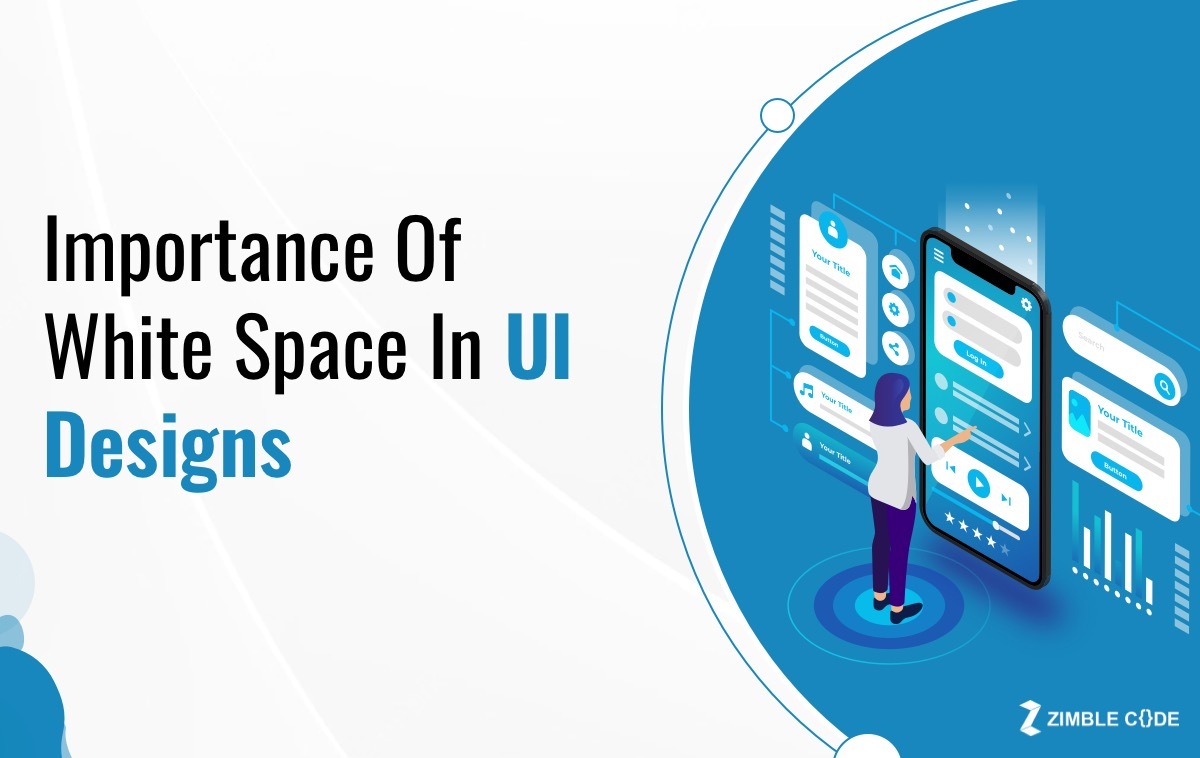
Often overlooked, white space—or negative space—is a powerful design element. It refers to the areas devoid of text or images, providing breathing room for the content presented. White space enhances readability, focuses attention, and is instrumental in decreasing cognitive load. High-converting websites leverage white space to guide users through content hierarchies seamlessly, encouraging exploration without overwhelming them. The strategic use of negative space can create an impactful and elegant user experience.
6. Hierarchy: Guiding User Attention
Hierarchy is the arrangement of elements to indicate their importance. This principle allows designers to strategically structure information, guiding users along a predetermined path. By manipulating size, color, and placement, hierarchies influence the way users process content. For instance, a larger header may dominate the visual field, while smaller subheadings provide additional context. Effective hierarchy enhances comprehension, ensuring users grasp core messages swiftly—vital for retaining interest and driving conversions.
7. Typography: The Art of Text Presentation
Typography, more than just choosing a typeface, encapsulates the style, arrangement, and appearance of text. It plays an intrinsic role in conveying a brand’s identity and voice. For a high-converting website, selecting legible fonts and appropriate sizes is imperative. It influences readability and sets the tone for customer interaction. Furthermore, typographic hierarchy—through varying font sizes and weights—can guide users efficiently through content, allowing them to digest information effortlessly.
8. Color Theory: Evoking Emotion and Response
Color not only enhances aesthetics but elicits emotional responses that can sway consumer behavior. Understanding color theory involves recognizing how colors converse with one another and the psychological implications they carry. For instance, blue often conveys trust, while red typically imparts urgency. High-converting websites utilize strategic color palettes to reinforce branding and incite action. Careful selection of color schemes can invigorate a website’s appeal, facilitating deeper connections with the target audience.
Conclusion: A Symphony of Elements for Optimal Conversions
In summation, the principles of design are the very essence of creating high-converting websites. Balance, contrast, alignment, repetition, white space, hierarchy, typography, and color theory are not isolated concepts; when amalgamated thoughtfully, they culminate in a harmonious web design strategy. Mastery of these principles allows designers to profoundly affect user experience, engender trust, and ultimately elevate conversion rates. Every element counts; in the world of web design, attention to detail is not merely beneficial—it is essential for success.