Space, in the realm of visual arts, serves as the silent architect of composition. It is more than mere emptiness; it is a dynamic element that ebbs and flows, creating an intricate tapestry of positive and negative realms. Understanding the multifaceted nature of space unlocks the door to a profound mastery of artistic creation, where every brushstroke and object finds its place in the grand narrative of the canvas.
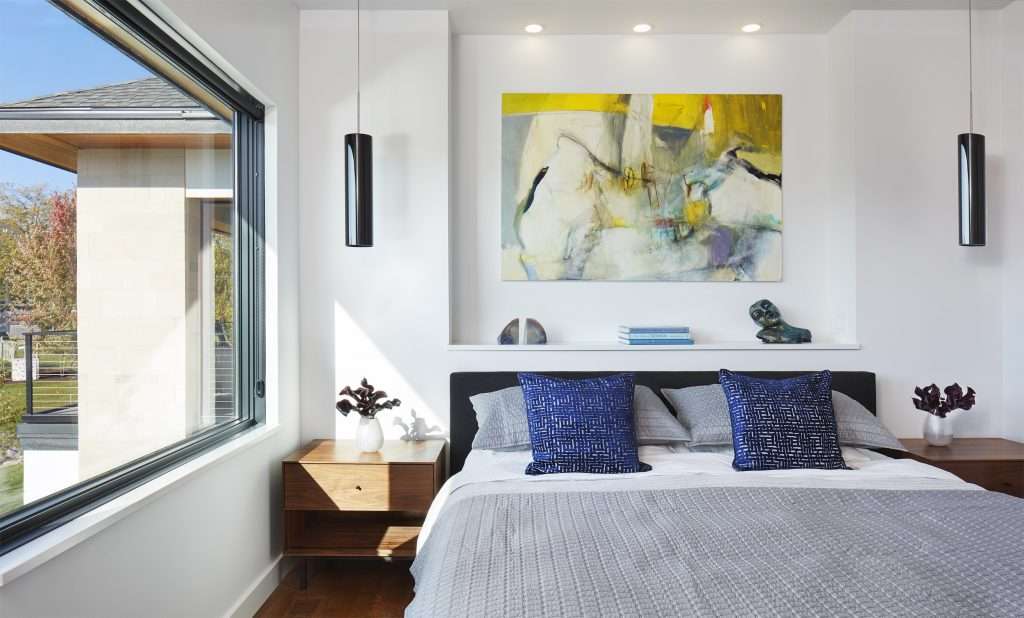
At its core, space can be categorized into two primary forms: positive and negative. These terms may seem ambiguous, yet they embody essential qualities that dictate the visual hierarchy of art. Positive space refers to the subjects or objects within a composition — the forms that capture our attention. In contrast, negative space encompasses the voids and gaps surrounding these forms, shaping their presence and enhancing their importance. The interplay between these two spaces is akin to a delicate dance, one that defines the mood and intent of an artistic piece.
As artists navigate this dichotomy, they harness the power of negative space to evoke emotion and cognitive resonance. Imagine a serene landscape painting where a solitary tree stands against a vast sky. The tree, filled with life and detail, occupies the positive space, while the expansive sky not only serves as negative space but also imbues a sense of solitude and longing. This relationship magnifies the subjects’ significance, illustrating how emptiness can convey meaning as profoundly as the elements it cradles.
Moreover, the manipulation of space facilitates a captivating illusion of depth. This dimension tricks the eye, creating a three-dimensional experience on the two-dimensional surface of the canvas. Artists achieve this feat through various techniques: overlapping forms, varying size and scale, and the astute use of atmospheric perspective. By subtly fading colors and reducing detail in distant elements, an artist imbues the work with a sense of distance, inviting viewers to traverse the painted landscape.
Technical mastery in utilizing space is akin to the capabilities of a skilled magician, conjuring realities that suggest journeys beyond the confines of the canvas. Consider the enchanting works of the Renaissance period, where artists like Leonardo da Vinci and Raphael elevated depth to an exuberant art form. Their meticulous attention to spatial relationships transformed flat canvases into wondrous realms, compelling viewers to lose themselves in the ethereal expanses offered by their artworks.
Beyond mere technical prowess, space can function as a narrative device, whispering stories that reverberate beyond the visible. This storytelling aspect surfaces uniquely in abstract and minimalist art. Here, artists often exploit negative space to evoke emotional responses with stark simplicity. For instance, the deliberate use of vast empty areas in the works of Ellsworth Kelly compels viewers to engage with the space as an integral character in the unfolding narrative. Such works provoke the imagination, beckoning eyes to wander and ponder the untold tales lurking within the silence of space.
It is vital to recognize that the significance of space extends beyond aesthetic appeal; it serves as a bridge connecting the viewer’s interpretation with the artist’s intention. Each piece navigates a psychological journey, where the relationship between positive and negative space guides emotions, thoughts, and reflections. This relativity heightens viewer engagement, allowing a surface glance to spiral into contemplative exploration.
In practical terms, how does one begin to harness these spatial elements in their own artwork? A profound understanding of space starts with observation. Artists should take time to study the world around them — noting how negative spaces inform the shapes and elements they encounter daily. When sketching a scene, embrace the voids as much as the filled forms, as each play of light and shadow contributes to the overall composition. Experimentation is key: create a piece that alternates between dense positive space and expansive negative space. Witness how the dialogue between these elements creates a rhythm that echoes across the canvas.
As one delves deeper into the realm of space and its implications, a myriad of styles and movements reveal themselves, each with their signature approach to this fundamental element. From the juxtaposition of tightly knit forms in Cubism, which invite a reevaluation of perspective, to the expansive use of space in Impressionism that mirrors fleeting moments in time, each movement offers a unique lens through which to view and interpret reality.
The notion of space extends beyond traditional canvas work. In photography and digital art, the principles of positive and negative space commandeer attention, discovering new dimensions and methodologies. Compositional techniques such as the rule of thirds or leading lines introduce pathways for the eyes to navigate through the visual landscape, crafting engaging journeys that prompt emotions and provoke thought.
Ultimately, space in visual composition serves as the silent wind beneath the wings of artistic expression. It is the canvas’s heartbeat, guiding viewers through a labyrinth of meaning and emotion. A great artwork invites contemplation, reinforces narrative, and celebrates the delicate balance between presence and absence. Thus, by mastering the elements of art — with space as a cornerstone — creators can elevate their works from mere depictions to profound explorations of existence, beckoning viewers to embark on their own interpretative odysseys.