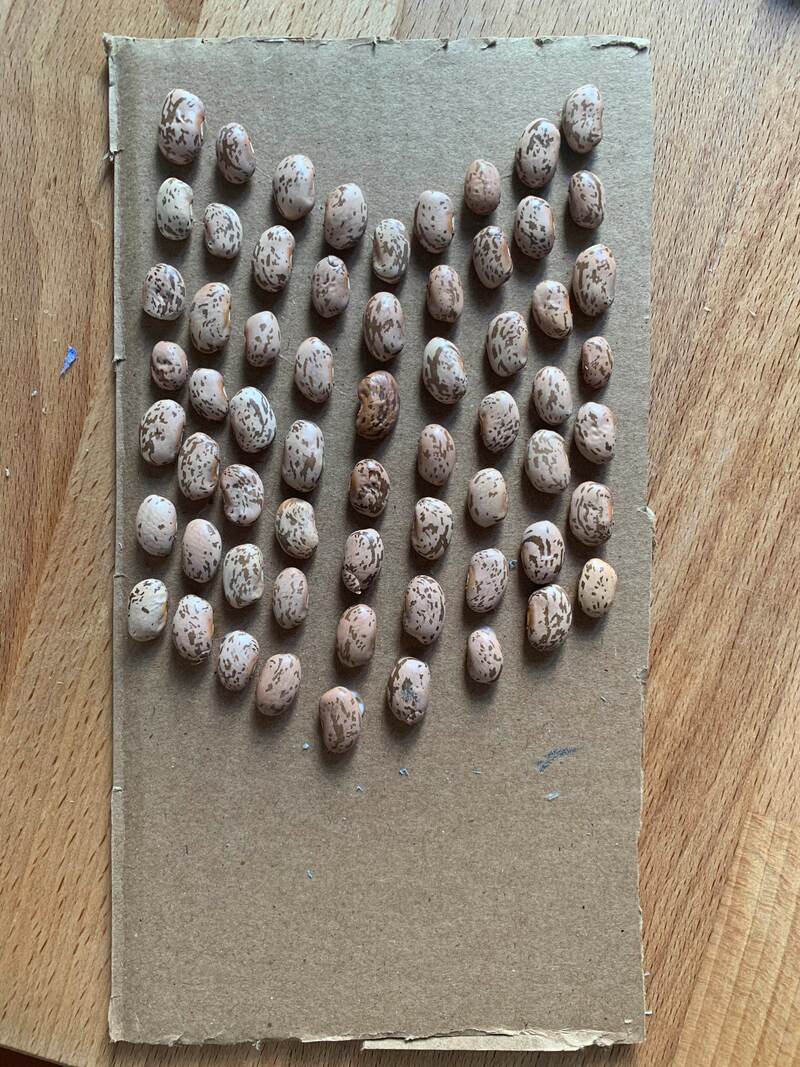
In the realm of art and design, texture serves as a pivotal element that contributes to the overall sensory experience of a piece. Broadly, texture is categorized into two distinct types: actual texture and implied texture. Understanding the nuances between these categories not only enhances appreciation for artistic works but also informs the creative process for aspiring artists and designers alike. This exploration provides a comprehensive look into the significance of actual and implied texture, accompanied by illustrative examples and practical implications.
1. Defining Texture in Art
Texture pertains to the surface quality of an object—either how it feels to the touch or how it appears visually. In this context, it manifests as a critical element that manipulates the viewer’s experience. Actual texture refers to the tangible surface characteristics that one can feel, while implied texture pertains to the illusion of texture that is created through artistic techniques.
2. Actual Texture: The Tangibility of Surface
Actual texture exists in three-dimensional form, inviting viewers to engage with a work on a physical level. This type of texture can be perceived through touch, as it is conveyed through various materials, techniques, and processes.
- Materials and Techniques: Sculptors may use clay, stone, or wood to create an object with physical contours and uneven surfaces. These materials inherently possess unique textures, shaping the viewer’s perception. For instance, a rough stone sculpture elicits a different reaction than a smooth wooden figure, emphasizing the natural qualities of the materials used.
- Textile Arts: The world of textile art showcases actual texture prominently. Artists who work with fabric can manipulate texture through techniques like weaving, knitting, or quilting. The physical structure of fabric adds depth and warmth to the artwork, engaging the viewer’s sense of touch and visual appreciation.
- Emotional Resonance: Actual texture can evoke emotion. The rugged, fractious surface of a painted canvas may convey struggle, while a soft, velvety surface might induce calmness. Such tactile qualities encourage a deeper connection between the viewer and the artwork, inciting both intellectual contemplation and emotional responses.
3. Implied Texture: The Illusion of Surface
Implied texture, in contrast, is a visual technique that suggests texture without the physicality of actual surface. Artists masterfully employ various methods to create the illusion of texture through their use of light, shadow, color, and composition.
- Techniques of Illusion: Paintings often simulate texture through brushstrokes and layering. For instance, an artist might depict the smoothness of a silk fabric by using soft, flowing lines and subtle gradations of color. By mastering the interplay of light and shadow, an artist can convey depth and tactile quality that the viewer perceives without ever touching the surface.
- Digital Design: As technology transforms the art landscape, implied texture has also found a home in the digital realm. Graphic designers can create textures that evoke realism by using software to manipulate images. Layering different patterns and gradients can give depth to a flat surface, making it visually rich and engaging.
- Symbolic Use of Texture: Artists may use implied texture symbolically to convey narratives. For example, jagged edges in a photograph could suggest chaos, while smooth, flowing elements might depict tranquility. This manipulation of visual language allows for a rich tapestry of meaning to unfold, inviting thoughtful interpretation.
4. The Intersection of Actual and Implied Texture
While actual and implied textures exist as distinct categories, their intersection can create powerful visual dynamics. Many contemporary artists and designers utilize both forms to compelling effect. This duality can enhance perceptual richness, as actual textures may serve as a backdrop to the implied textures layered upon them.
- Mixed Media: In mixed media artworks, artists often combine materials like paint, fabric, and found objects. Actual textures can create a base layer that grounds the piece, while implied textures through paint can add vibrancy and depth, creating a dialectic between the two forms of texture.
- Visual Contrast: Employing contrasting textural elements can energize a composition. An artist might juxtapose a smooth, glossy finish with a rough, tactile element, creating visual tension that draws the eye. This contrast can aid in guiding the viewer’s journey through the piece, emphasizing focal points and narrative aspects.
5. Practical Applications in Art and Design
Understanding the interplay between actual and implied texture can provide invaluable insights for artists and designers. When undertaking a project, consider the following:
- Material Selection: Choose materials that align with the emotional tone of your work. The texture of actual materials can enhance or detract from your intended message. For instance, using rough, recycled materials may convey environmental themes, while sleek, polished surfaces might suggest modernity and sophistication.
- Creating Depth: Experiment with layering techniques to establish depth through implied texture. Utilizing different brushwork and color theories can enhance the dimensionality of your design, whether in a painting or digital graphic.
- Tactile Engagement: In experiential design, particularly in installations, incorporate actual textures to invite tactile engagement. Allowing viewers to touch various surfaces can heighten their connection with the piece, enriching the overall experience.
Conclusion
In conclusion, both actual and implied textures play indispensable roles in the world of art and design. They serve to enrich perception, evoke emotion, and communicate complex narratives. By delving into the tactile and visual dimensions of texture, artists can create works that resonate deeply with their audience. Understanding and mastering these fundamental elements of texture will undeniably enhance both the artistic process and the experience of beholden art.