Have you ever navigated a website and found yourself effortlessly flowing from one section to another, as if the design was crafted to anticipate every one of your needs? Conversely, have you encountered platforms so convoluted that you felt an innate longing to flee? This dichotomy often boils down to the principles of design in UI/UX—a delicate tapestry woven from artistic fundamentals that shape not only aesthetics but also functionality. Let’s tackle these principles, illuminating their profound impact on user experience and engagement.
In the realm of design, particularly in User Interface (UI) and User Experience (UX), certain principles emerge as venerable pillars. These principles, akin to the backbone of a well-structured organism, inform decisions that can make or break a digital platform’s success. Here, we delve into the nine design principles that enthusiasts and seasoned designers alike hold dear, exploring not only what they are but also their underpinnings in psychological and aesthetic theory.
1. Balance: The Harmony of Composition
Balance refers to the distribution of visual elements in a design. Whether through symmetry or asymmetry, achieving balance is crucial for creating an aesthetically pleasing layout. Symmetrical balance offers a sense of stability and formality, ideal for traditional websites that exude professionalism. Conversely, asymmetrical balance encourages dynamic energy and can lead to more engaging experiences. Designers love to manipulate this tension between order and chaos, provoking curiosity and exploration.
2. Contrast: The Art of Differentiation
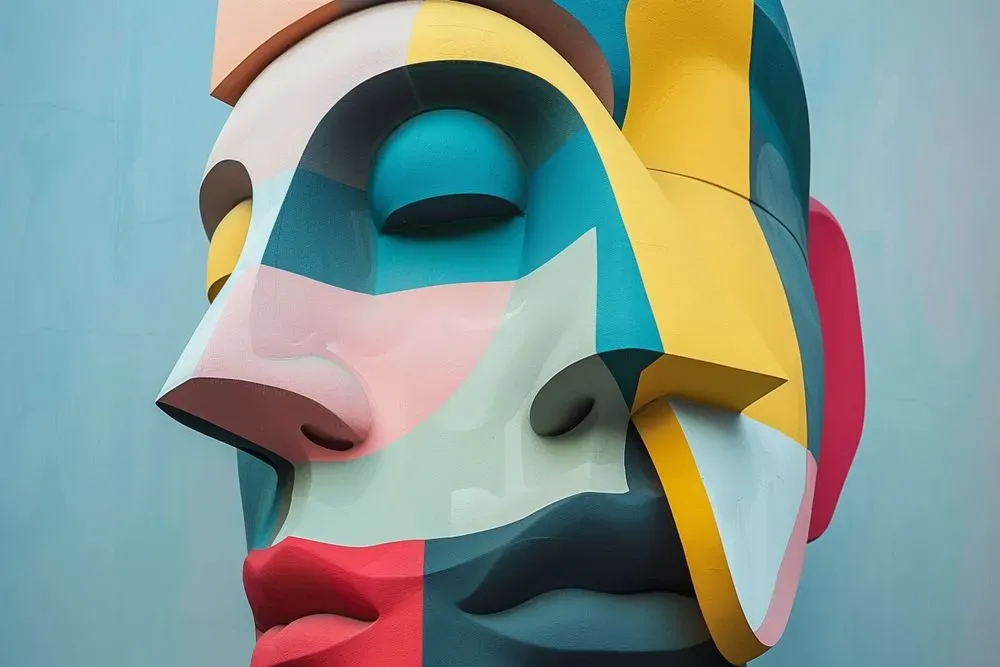
Contrast is the dramatic interplay between different elements within a design that sharpens user focus. It can be wielded through color, size, shape, or texture to draw attention to key components. Successful contrast navigates users seamlessly through content, guiding them toward calls to action without overwhelming them. It enhances readability and lends an air of sophistication, making it indispensable in UI/UX design.
3. Emphasis: Directing Attention
In any design, there are elements that are more critical than others. Emphasis ensures that these elements stand out. This principle leverages size, color, or proximity to spotlight important information, much like a spotlight illuminating the main actor on a dimly lit stage. When executed effectively, emphasis not only beautifies a design but also simplifies the user’s journey, ensuring they don’t miss what truly matters.
4. Unity: The Cohesion of Elements
Unity describes the cohesive reliability of a design, where all parts contribute harmoniously to the whole. It fosters a sense of belonging and clarity, steering users across interfaces with ease. Unity can be enhanced through consistent use of colors, typography, and recurring motifs. Designers aspire for unity as it encourages brand recognition and smooth navigation, allowing users to feel like they are part of something larger.
5. Rhythm: The Flow of Interaction
Much like a melody in music, rhythm in design refers to the repetition of visual elements to create movement and guide users through the design. This principle ensures users engage with content in a rhythmic manner, leading them from one piece to another in a fluid manner. Implementing rhythm helps to create a narrative, allowing users to experience a story through their interaction, which can significantly enhance emotional connections.
6. Space: The Luxury of Breathing Room
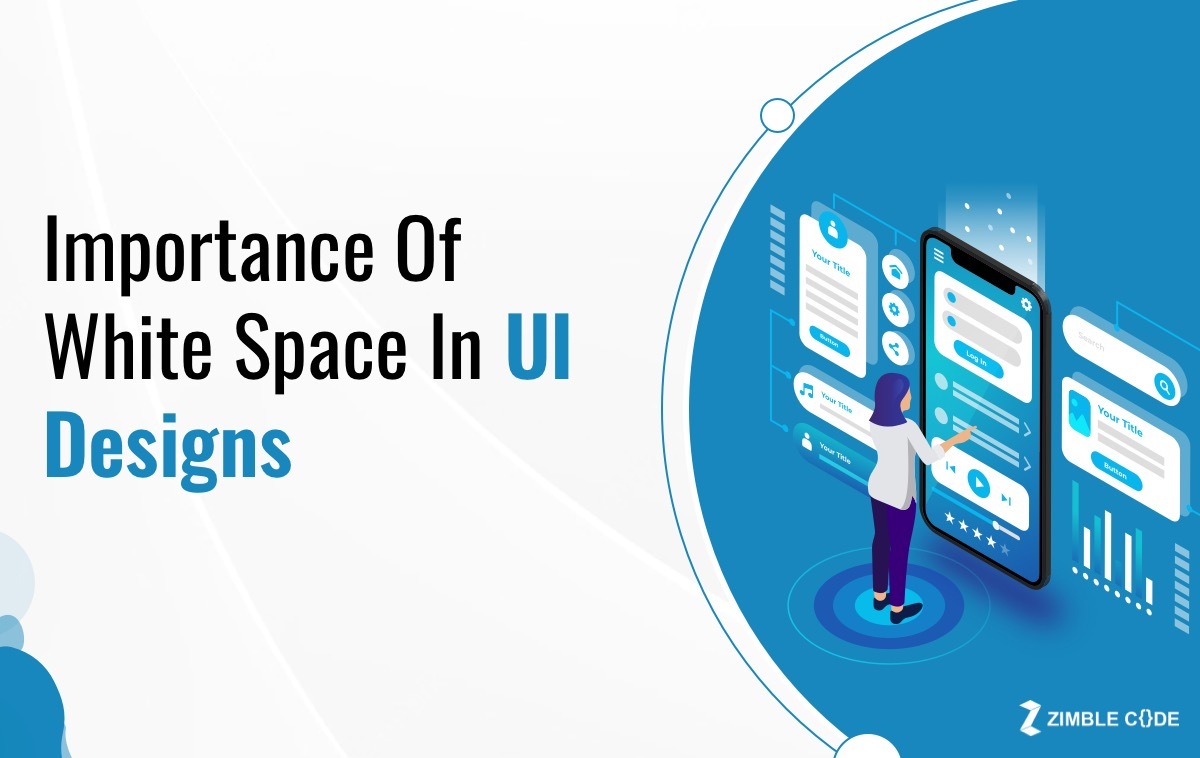
White space (or negative space) is not merely an absence but rather a powerful element that defines and enhances a design. It provides breathing room, fostering clarity and focus by reducing clutter. Effectively using space can evoke feelings of elegance and sophistication, making content more digestible. Designers who master the use of space can create experiences that feel open and inviting, compelling users to linger longer.
7. Hierarchy: Structuring Information
Hierarchy guides users through the menu of options, establishing an order of importance among elements. Through variations in size, color, and placement, hierarchy fosters an intuitive exploration of content, much like reading a refined menu laid out with care. A well-crafted hierarchy invites users to engage sequentially, easing cognitive load and providing a sense of direction within a potentially chaotic digital landscape.
8. Color Theory: A Palette of Psychology
Colors evoke emotions and reactions based on cultural interpretations and personal experiences. Understanding color theory enables designers to choose hues that resonate with specific target audiences and intended messages. From the calming blues associated with trust to the energetic reds that incite urgency, the emotional implications of color choices can elevate a design from mundane to extraordinary, significantly influencing user behavior and engagement.
9. Accessibility: Inclusivity as a Design Ethos
Lastly, accessibility transcends aesthetics; it embodies the moral responsibility of design. Crafting interfaces that accommodate individuals with disabilities—be it color blindness, cognitive impairments, or limited mobility—ensures that digital spaces are inclusive. By implementing features such as keyboard navigation, alternative text for images, and readable typography, designers can foster equity, allowing everyone to participate in the digital world. Thus, accessibility not only enriches the user experience but also broadens the audience, cultivating a sense of community.
As we reflect on these principles, one might ponder: can a design truly be perfect? Perhaps perfection isn’t the goal; instead, embracing the journey of applying these principles in innovative ways might yield the most extraordinary results. In today’s digital world, where user preferences shift with the tides, the persistent exploration of these design tenets ensures that creativity flourishes while thoughtfully addressing the needs of users. By weaving these principles skillfully into UI/UX design, we not only enhance functionality but also create aesthetic experiences that resonate deeply, inviting users to stay, explore, and revel in the beauty of design.