Color is a mesmerizing aspect of graphic design that transcends mere aesthetics; it dances on the delicate balance between emotion and meaning. The interplay of hues influences not only visual appeal but also the psychological undertones of a design. At its core, Color Theory serves as a foundational pillar of design principles. This guide delves into the essentials of Color Theory in graphic design, providing practical insights that can be valuable for beginners eager to harness the power of color.
The Importance of Color in Graphic Design
Designers often find themselves engrossed by color’s ability to evoke feelings, convey messages, and establish identities. Each hue holds a specific significance, shaping perception. For instance, blue commonly represents tranquility or trust, while red can elicit passion or urgency. Thus, understanding these associations can be crucial in shaping a cohesive and communicative visual narrative.
The Color Wheel: Foundations of Color Theory
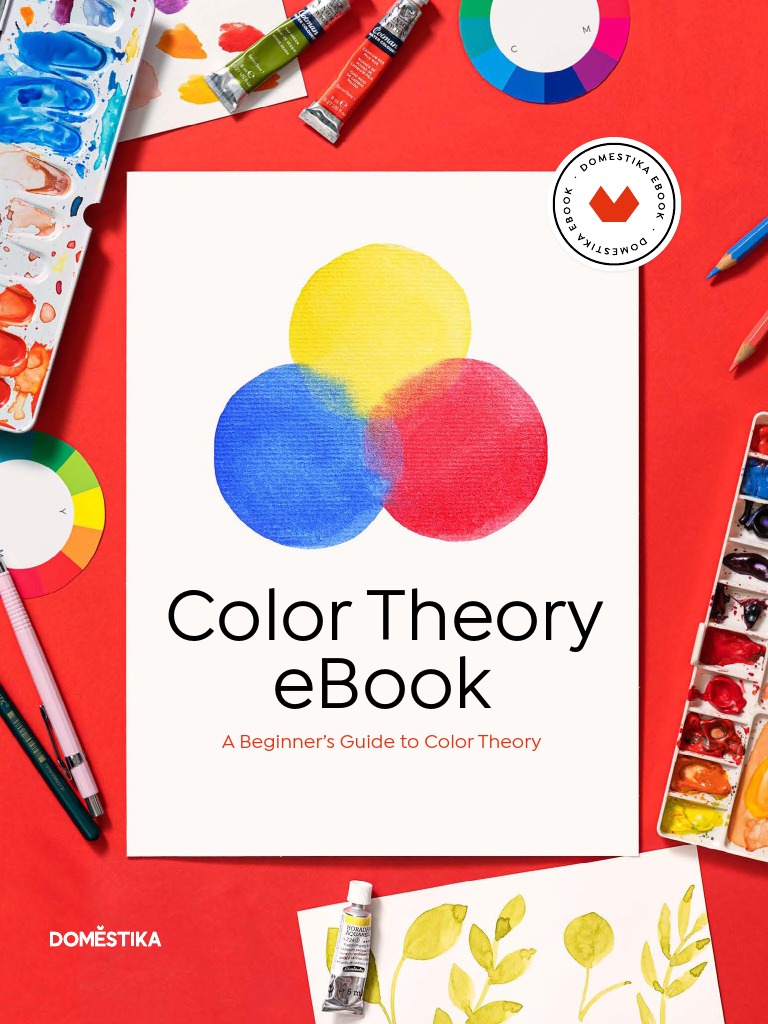
The Color Wheel serves as a foundational tool in Color Theory, illustrating the relationships between colors. This wheel, originally developed by Sir Isaac Newton, categorizes colors into primary, secondary, and tertiary. Primary colors—red, blue, and yellow—are the fundamental building blocks of all other colors. When mixed together, they create secondary colors: green, orange, and purple. Tertiary colors stem from the combination of primary and secondary hues, resulting in a rich spectrum.
As designers, familiarity with the Color Wheel is crucial, as it allows one to grasp color harmonies more effectively. Complementary colors, for instance, are opposite each other on the wheel, creating a vibrant contrast that can make designs pop. Analogous colors, on the other hand, reside next to one another and generate a more harmonious and unified aesthetic.
Color Harmonies: Creating Visual Balance
Color harmonies are essential in achieving balance and coherence within a design. Effective color schemes can enhance the visual experience and guide the viewer’s attention. There are several types of color harmonies to explore:
- Complementary Harmony: Utilizing colors from opposite sides of the Color Wheel. This scheme is striking and energetic, perfect for grabbing attention.
- Analogous Harmony: Featuring colors that are adjacent on the wheel. This combination can cultivate a serene and monochromatic look.
- Triadic Harmony: Involves three colors spaced evenly around the wheel. This approach creates a vibrant palette, often suitable for playful designs.
- Tetradic Harmony: A combination of four colors, forming a rectangle on the Color Wheel. This scheme allows for a rich contrast and depth.
These harmonies lay the groundwork for more sophisticated design compositions, enhancing both visual interest and emotional impact.
Psychological Impact of Color
Colors can incite feelings and influence behaviors, a phenomenon that graphic designers must consider meticulously. The psychology of color is a vital aspect that encapsulates how certain colors provoke distinct emotional responses. For example, bright yellows can evoke happiness or optimism, while darker tones like grey may suggest sadness or neutrality.
Moreover, cultural interpretations of color can vary significantly. In Western cultures, white is often associated with purity and weddings; in contrast, in many Eastern cultures, it symbolizes mourning. Understanding these nuances is imperative for designers seeking to communicate effectively across various demographics.
Contrast: The Art of Visual Hierarchy
Contrast plays a pivotal role in graphic design—it not only ensures ease of readability but also enhances the visual hierarchy within a composition. This principle involves juxtaposing differing colors to highlight elements within a design. High contrast, such as black typography on a white background, ensures that the message is clear and legible. On the flip side, low contrast schemes create a more subtle and ethereal visual experience.
Utilizing contrast properly can emphasize crucial aspects of a design, guiding the viewer’s gaze and establishing a logical flow of information. This is particularly important in advertising, where quickly capturing attention is paramount.
Color in Branding: Establishing Identity
Color becomes a crucial element in branding, as it fosters recognition and establishes a company’s identity. Logos often rely on specific color palettes to evoke feelings and convey values. Take Coca-Cola, for instance: the iconic red color signals excitement and energy, embodying the brand’s ethos. Conversely, green is frequently associated with health and vitality, evidenced by brands like Whole Foods or Starbucks.
By carefully selecting a color palette that resonates with target audiences, designers create a lasting impression and an emotional connection that partakes in the larger narrative of the brand.
Practical Application: Tips for Implementing Color Theory
As a beginner in graphic design, it’s vital to translate the theory into practice. Here are some actionable tips to help implement Color Theory in your designs:
- Experiment Freely: Utilize software tools that allow for easy experimentation with color schemes. Don’t hesitate to try different combinations and assess their effectiveness.
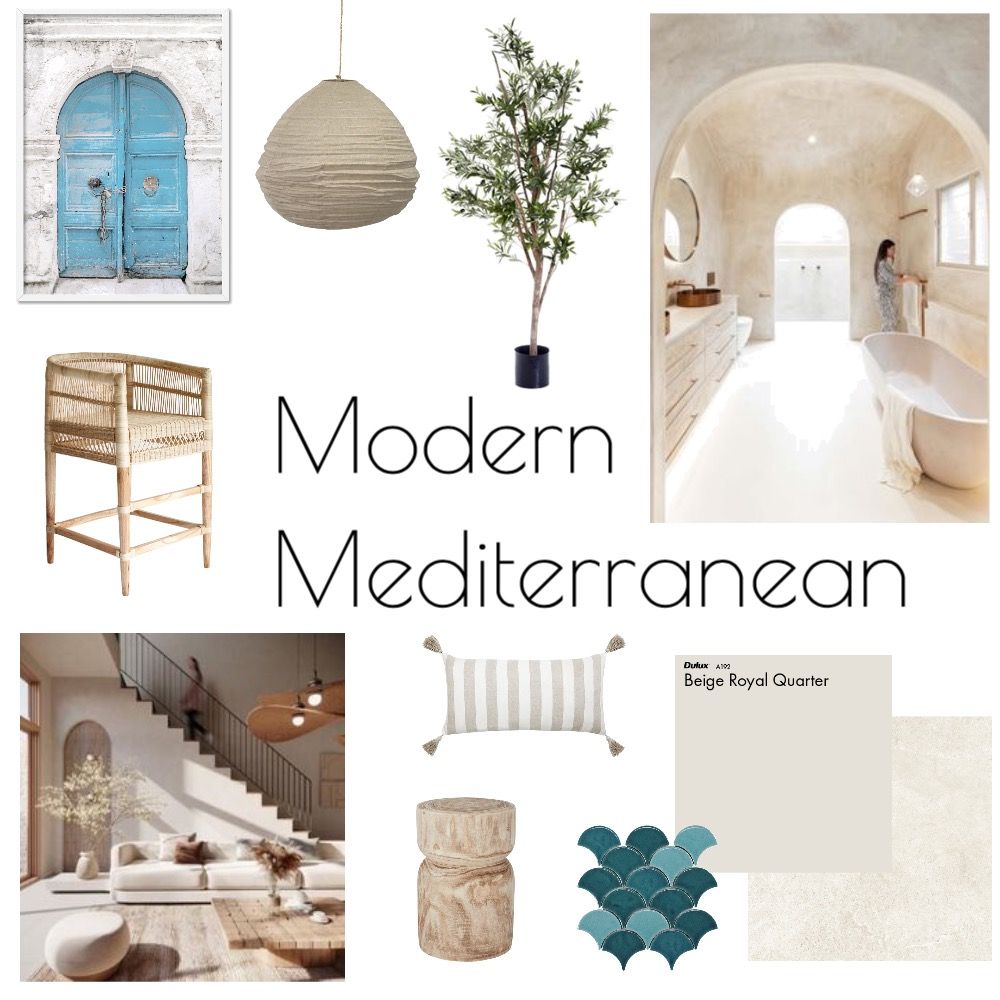
- Gather Inspiration: Analyze designs that stand out to you. Understand the emotions they evoke and the colors used. Creating a mood board can help you visualize your ideas.
- Seek Feedback: Share your designs with peers or mentors to garner constructive criticism. Different perspectives can help refine your use of color.
- Stay Updated: Color trends evolve. Understanding current design trends can provide insight into effective color choices for contemporary projects.
In conclusion, Color Theory is an intriguing realm that lies at the heart of graphic design, blending science and art. Through understanding the color wheel, harmonies, and the psychological effects of color, designers can craft visually captivating compositions. By utilizing these principles, beginners can not only enhance their skill set but also contribute to the vibrant tapestry of the design world.