In the digital landscape, where myriad websites vie for user attention, minimalist web design has burgeoned into a veritable titan of aesthetic appeal and functionality. This design philosophy transcends mere visual aesthetics, encapsulating a mindset centered on simplicity, clarity, and user experience. So, what exactly is minimalistic web design, and why has it taken the digital world by storm in recent years? Let’s delve into the principles guiding this captivating trend, unraveling its intricacies and the underlying reasons behind its sustained popularity.
The Essence of Minimalistic Design
At its core, minimalistic web design embodies the adage “less is more.” It is a philosophy that prioritizes the essentials while discarding the superfluous. By stripping away unnecessary elements, designers strive to create spaces that are not only visually appealing but also inherently functional. This design principle emphasizes the harmony of form and function, encouraging users to focus solely on the content without distractions.
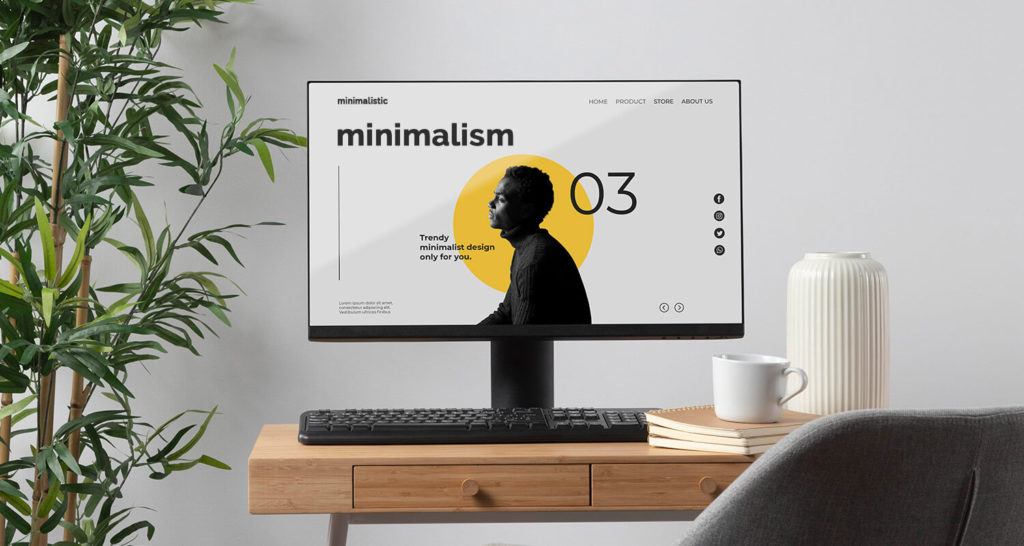
The hallmark traits of minimalistic web design include ample white space, a restrained color palette, and a careful selection of typography. These components collaborate to create a serene environment, allowing users to navigate intuitively. By utilizing clean lines and straightforward layouts, developers can effectively guide visitors toward critical information, enhancing the overall user experience.
Visual Hierarchy and User Experience
One of the fundamental principles that bolster minimalistic web design is visual hierarchy. This concept refers to the arrangement of elements in a way that naturally leads the viewer’s eye across the page. Through careful consideration of scale, contrast, and position, designers can emphasize key aspects of the webpage, ensuring that essential information is readily accessible.
In a minimalist design, visual hierarchy is achieved through the judicious use of size and space. Larger elements capture attention, while smaller components recede into the background. This approach eliminates visual clutter, allowing users to concentrate on what truly matters. When visitors encounter a webpage with a clear visual hierarchy, they can seamlessly navigate through sections without feeling overwhelmed, ultimately fostering a more positive user experience.
The Role of Color in Minimalism
Color, as a tool in the designer’s palette, wields transformative power in web design. In minimalistic web design, color is often strategically employed to evoke emotion and establish brand identity. A limited color palette, typically rooted in neutral tones with occasional bold accents, creates a tranquil atmosphere. This deliberate restraint magnifies the influence of color, as each hue and shade carries significant weight in the overall composition.
For instance, a company may choose a soft gray background to instill a sense of calm while utilizing a vibrant hue for call-to-action buttons. This juxtaposition not only aids in visual clarity, but also directs users toward specific actions. By employing color in this manner, designers maintain attention on the content, which ultimately bolsters engagement and conversion rates.
The Power of Typography
Minimalistic design embraces typography as a crucial element. The choice of font can dramatically alter the feel of a website, conveying personality, tone, and professionalism. In the realm of minimalistic web design, typography often reflects a balance between elegance and legibility. Clean, sans-serif fonts tend to dominate, as they provide clarity and a modern touch.
Moreover, intentional use of typographic hierarchy—differentiating headings, subheadings, and body text—reinforces the overall structure of the design. Effectively deployed typography ensures that the message is relayed in a coherent manner, making it simpler for users to digest information. In a world inundated with visual noise, thoughtful typography stands out as a beacon of clarity.
Responsive Design and Fluidity
As digital interactions increasingly gravitate towards mobile devices, the principle of responsive design has emerged as a critical consideration in web development. Minimalistic web design naturally aligns with this trend, as its streamlined aesthetics translate effortlessly across various screen sizes. The adaptability of minimalist principles ensures that content remains clear and accessible—irrespective of the device used.
This fluidity is especially crucial in today’s culture of immediacy, where users expect information at their fingertips. The ability of minimalist designs to render effectively on both large desktop screens and compact smartphones epitomizes their practical appeal. By fostering a seamless user experience across platforms, designers can cultivate brand loyalty and enhance overall satisfaction.
Psychological Insights into Minimalism
Minimalism is not merely a style—it’s a state of mind. The psychological implications of minimalist design are profound, as simplicity often correlates with reduced cognitive load for users. In an age fraught with information overload, sites that exude simplicity can alleviate the stress associated with decision-making processes.
Research indicates that users are more likely to engage with content that is presented in a clear, uncomplicated manner. In a minimalist framework, the elimination of distractions allows for enhanced focus and retention of information. Thus, minimalistic web design has grown not only in aesthetic preference but also in functional efficacy, aligning with the evolving expectations of modern users.
Conclusion: Anchoring the Future of Web Design
In conclusion, minimalistic web design encapsulates a rich tapestry of principles aimed at enhancing user experience through clarity, simplicity, and purpose. As the digital realm continues to burgeon, the allure of minimalism will likely persist, offering a refuge from the cacophony of overly complex designs. With its ability to marry visual appeal with practicality, minimalist web design is undoubtedly poised to anchor the future of web design, challenging creators to shift perspectives and reimagine the spaces we inhabit online.