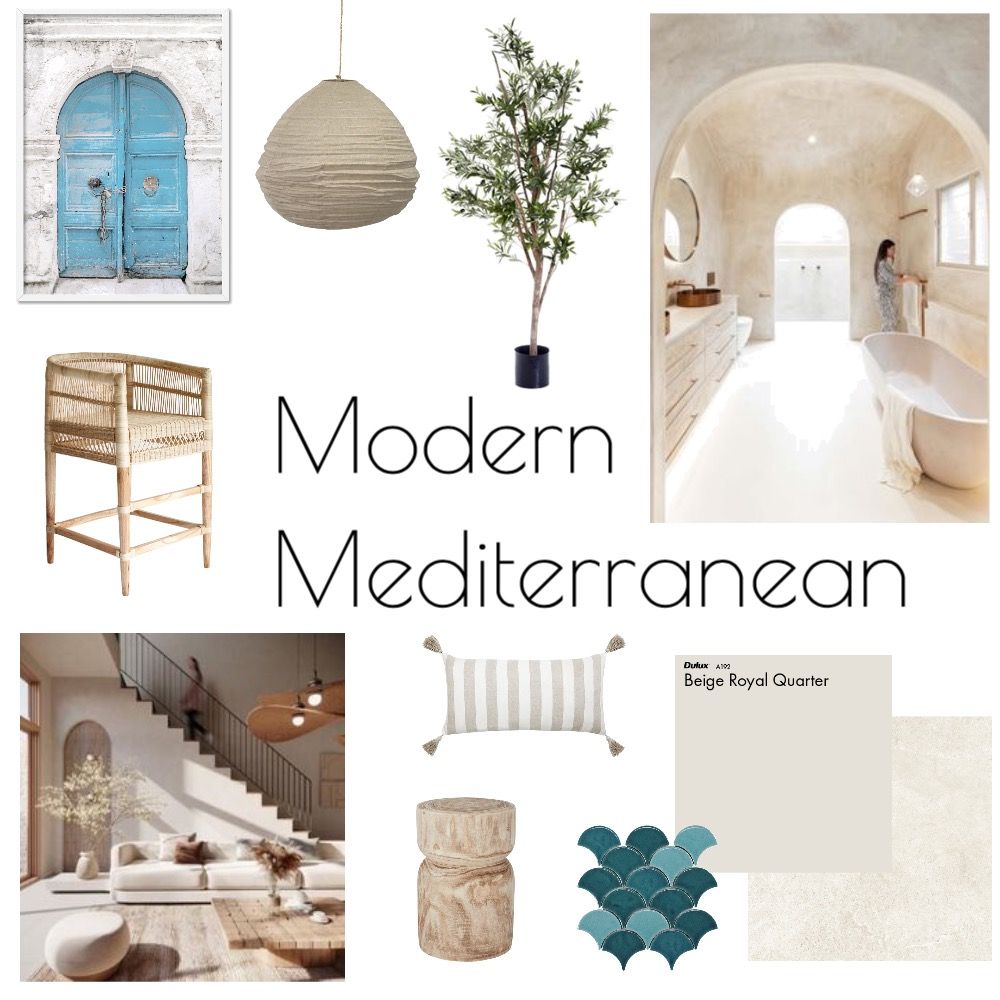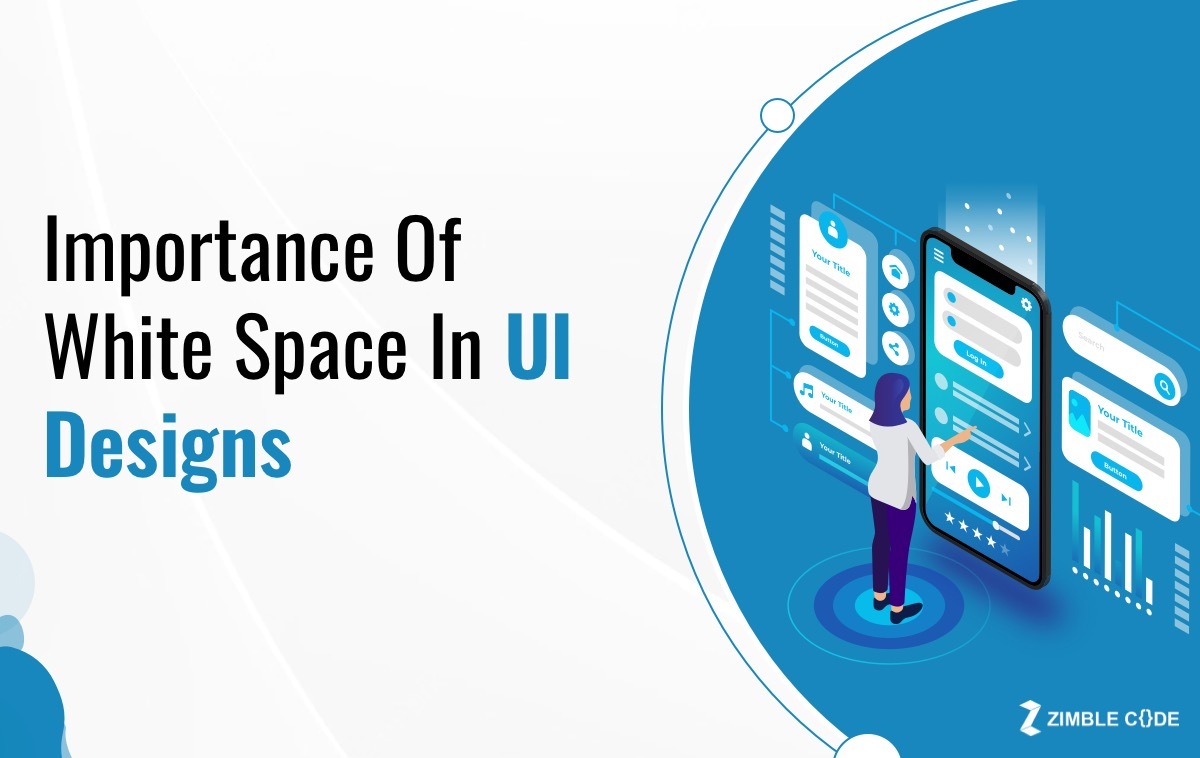
In the realm of art and design, the fundamentals serve as both the bedrock and the guiding compass of creativity. The principles of design act as a symphony conductor, orchestrating an ensemble of elements that together create visual harmony. Among these principles, the question lingers: what is the most crucial element of good design? The answer, while subjective, often gravitates toward balance, emphasis, and unity. However, each principle has its unique attributes and merits, intertwining to create a cohesive masterpiece.
1. Balance: The Equilibrium of Aesthetic
Picture a seesaw in a park. Two children, evenly matched in weight, create a delightful equilibrium that makes the ride enjoyable for both. This imagery embodies the concept of balance in design. Balance can manifest symmetrically or asymmetrically, each offering a different emotional experience. Symmetrical balance exudes formality and stability, whilst asymmetrical balance embraces dynamism and movement. Striking the right balance is akin to walking a tightrope; it requires poise and a discerning eye to ensure that no element overpowers the other.
2. Emphasis: The Spotlight on Significance
Imagine a stage illuminated by a single spotlight, casting brilliance on a performer. This is the essence of emphasis in design—highlighting the focal point that draws the viewer’s gaze. Emphasis can be achieved through contrast in color, size, or texture, creating visual hierarchy within the composition. This principle allows designers to guide the audience’s attention and provoke emotional response. A well-placed element can evoke curiosity, allure, or even urgency, influencing interpretation and interaction.
3. Unity: The Tapestry of Consistency
Consider unity as the threads weaving a rich tapestry; each strand plays a vital role yet contributes to a greater narrative. Unity in design ensures that all components harmonize, creating a holistic experience for the viewer. Techniques such as repetition, proximity, and alignment forge connections between disparate elements, transforming them into a cohesive whole. Inadvertently, viewers can sense disarray if unity is lacking, leading to disengagement and lost interest. Unity serves as the glue that binds the design together, making it feel complete.
4. Contrast: The Dance of Differences
Contrast acts as the spotlight amidst shadows; it is the interplay between light and dark, bold and subtle. This principle plays a pivotal role in generating visual interest and stimulating the senses. A stark contrast captures attention and ignites intrigue, inviting an audience to delve deeper into the work. Utilizing contrast thoughtfully can reveal nuances and create depth, allowing for layers of meaning to surface. In essence, contrast offers a dynamic rhythm to design, compelling viewers to explore beyond the obvious.
5. Rhythm: The Flow of Design
Just as music possesses a tempo that guides its flow, rhythm in design establishes a cadence that beckons movement. Rhythm invites the viewer to journey through the composition, leading them from one element to another, often creating a sense of anticipation. Patterns, repetition, and sequencing contribute to the rhythm; when utilized effectively, they can evoke emotions ranging from tranquility to excitement. This principle fosters engagement, as viewers subconsciously follow the designated path laid out in the layout.
6. Space: The Breathing Room
Space, often the unsung hero of design, serves as the breath that complements the visual narrative. Negative space—the area that surrounds and separates elements—can significantly influence perception and focus. Effective utilization of space can instill a sense of order, clarity, and emphasis. A design packed too tightly risks overwhelming and confusing the audience, while thoughtful spacing invites contemplation and appreciation. Thus, space is like a gentle breeze that provides relief and allows all elements to shine in their own right.
7. Alignment: The Guiding Line
Alignment acts as an invisible thread that ties elements into harmonious configurations. Just as a well-organized library guides readers to the right section effortlessly, alignment streamlines visual communication, ensuring that every aspect serves a purpose. It invokes a sense of order, creating a logical flow that can ease navigation and enhance functionality. Misalignment can lead to chaos, but when elements align—whether to one another or to a common axis—cohesion and clarity flourish.
8. Proximity: The Connection of Elements
The principle of proximity speaks to the nature of relationships. Just as friends gravitate towards one another, proximity allows design elements to gather in clusters, forging connections that suggest interaction. This principle can help categorize information, guide the viewer’s eye, and amplify the overall impact of the work. When elements are purposefully placed in proximity, they invite interpretation, guiding the audience through the intended message.
The most crucial elements of good design cannot solely be encapsulated in a singular principle. Instead, it is the intricate tapestry woven from these fundamental principles that establishes effective communication, evokes emotion, and captivates audiences. Each principle shines independently yet collectively molds a unified experience that transcends the visual, engaging viewers on multiple levels.
Design transcends mere aesthetics; it embodies a philosophy, a way of perceiving and engaging with the world. Understanding the principles of design, with balance, emphasis, unity, contrast, rhythm, space, alignment, and proximity at the forefront, equips designers with the knowledge to craft compelling visual narratives. As we grapple with what constitutes ‘good design,’ it is vital to recognize that these principles converge to form a comprehensive strategy that resonates with audiences, fostering a vibrant dialogue between art and the viewer.