Art and design are not merely about aesthetics; they are deeply intertwined with human psychology. Understanding the principles of design provides a pathway to creating visually pleasing compositions. This article delves into the fundamentals of design, exploring the underlying psychological mechanisms that influence perception and appreciation in the realm of visual art.
The Principle of Balance
Balance is paramount in achieving harmony within a design. It refers to the distribution of visual weight within a composition. There are two main types of balance: symmetrical and asymmetrical. Symmetrical balance offers a sense of formality and stability. In contrast, asymmetrical balance introduces dynamism and intrigue, guiding the observer’s gaze through a more organic exploration of the piece. This principle is not confined to mere weight; it encapsulates the arrangement of colors, shapes, and textures, creating a holistic experience that resonates with the viewer.
Contrast: The Power of Difference
Contrast is the act of juxtaposing differing elements within a design. This principle serves as a visual cue, capturing the viewer’s attention and emphasizing key components. High contrast, through varying lightness and darkness or differing colors, can create striking visuals that evoke strong emotional responses. For instance, a bright red against a soothing blue can incite excitement while also retaining an air of serenity. This duality reflects how contrast not only enhances visibility but also cultivates an emotional landscape that can woo the audience.
Emphasis: The Center of Attention
Every design should have a focal point, an element that draws the viewer in. This can be achieved through various means, including size, color, and placement. Emphasis allows the designer to guide the audience’s journey through the work, engaging them in the intended narrative. A larger, more colorful element will naturally attract more attention than its muted counterparts. However, it’s essential that the emphasis doesn’t overshadow harmony; the focal point should enhance the overall composition rather than disrupt it.
Repetition: The Rhythmic Element of Design
Repetition introduces consistency and unity throughout a design. By recurring elements such as shapes, colors, or textures, designers create rhythm—a vital characteristic that can elevate one’s interpretation of the work. This method fosters familiarity and comfort for the viewer, allowing them to recognize patterns that might evoke memory or sentiment. The human brain thrives on patterns; thus, effective repetition can lead to a harmonious experience, encouraging prolonged engagement.
Alignment: The Visual Anchor
Alignment is often overlooked, yet it plays a crucial role in organizing a composition. Proper alignment of elements leads to cohesion, making information digestible at a glance. This principle is crucial in guiding the viewer’s eye; aligned objects create a sense of order, promoting clarity in communication. Disordered designs may confuse or frustrate the viewer, detracting from the intended message. Consequently, alignment acts as a visual anchor that grounds the viewer within the design’s narrative.
Proximity: Creating Relationships
Proximity involves the spatial relationship between design elements. Placing related components close together enhances their connection, facilitating interpretation. This principle is essential for creating associations; for example, in infographics, proximity can help clusters of information coalesce into coherent ideas. By manipulating space effectively, designers can determine how the viewer interacts with different components, ensuring that the viewer recognizes relationships between elements and processes information in an intuitive manner.
The Psychology of Color
Color is one of the most potent tools in a designer’s arsenal, capable of evoking a spectrum of emotions across diverse demographics. Warm colors, such as reds and oranges, can incite energy and excitement, while cool colors, such as blues and greens, foster calmness and introspection. Understanding color theory is crucial as it helps in strategically selecting palettes that align not only with the brand identity but also with the psychological impact desired. Colors can influence mood, prompting viewers to feel certain emotions that can drive action—be it engagement or purchasing decisions.
Whitespace: The Breath of Design
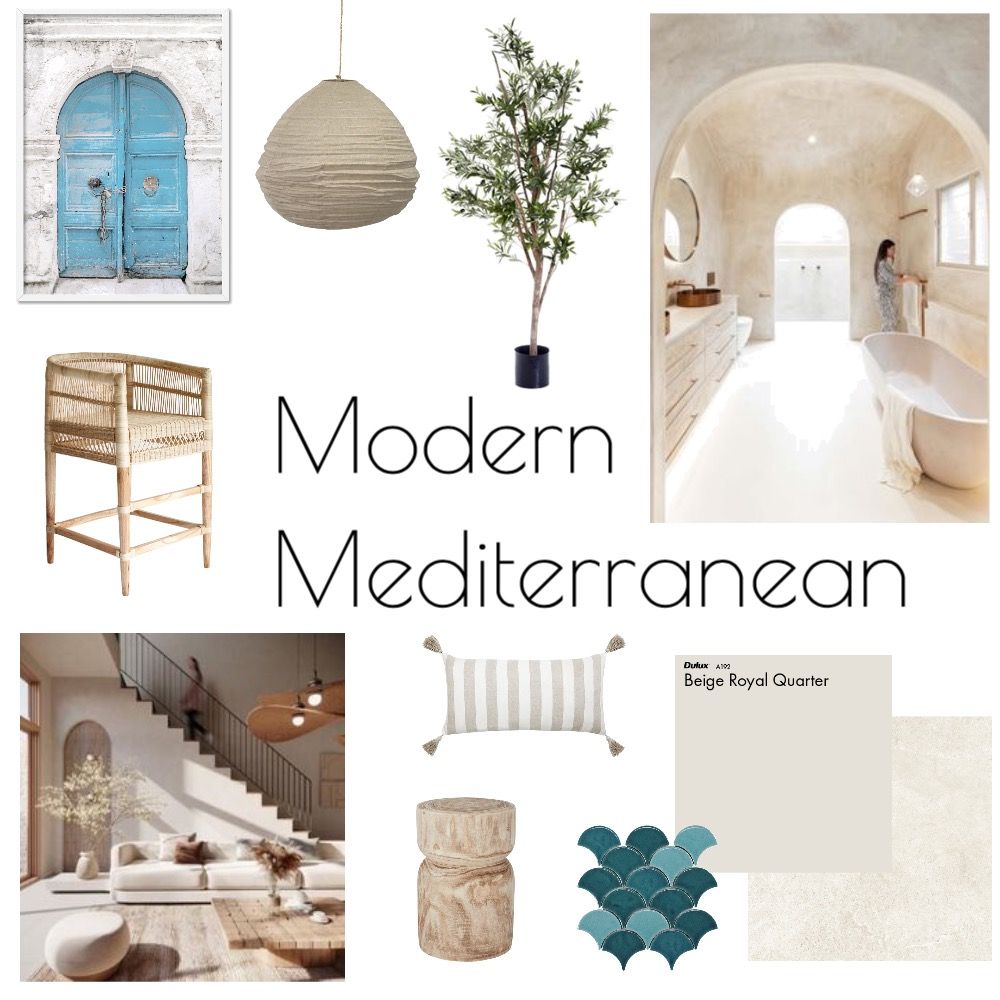
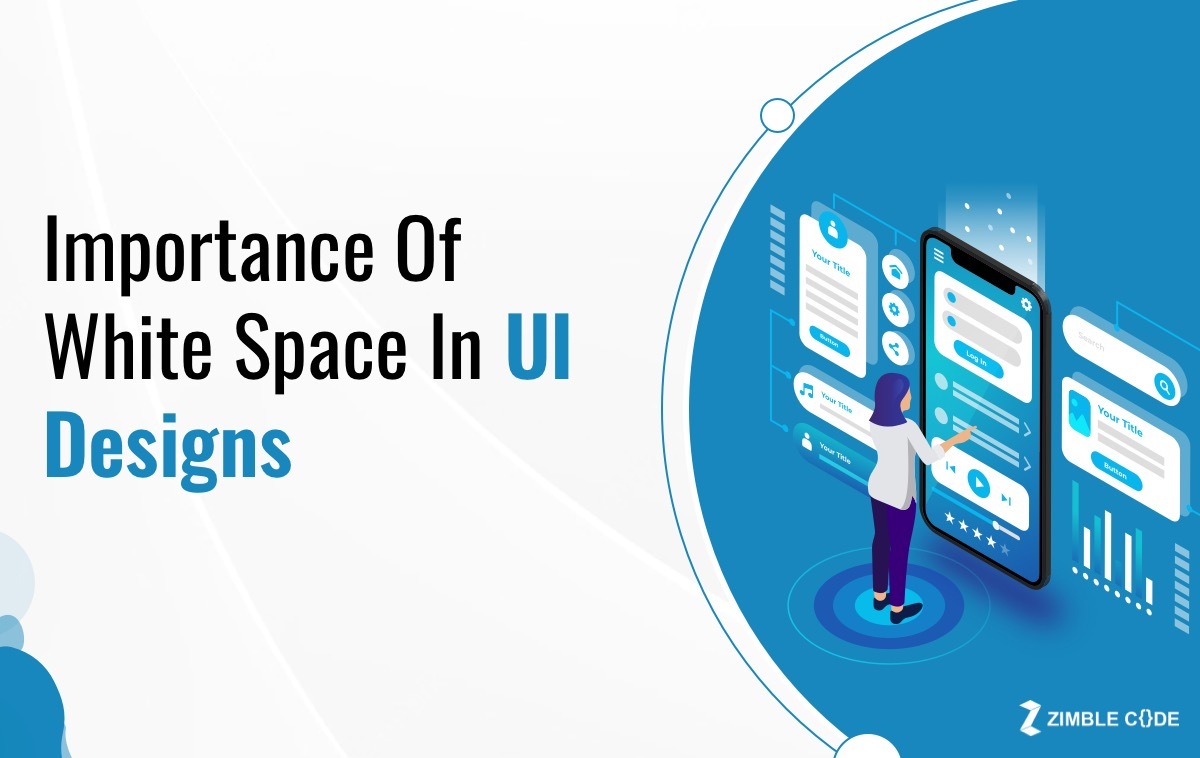
Whitespace, often referred to as negative space, is the area surrounding design elements. While some may perceive it as wasted space, it serves a vital role in enhancing readability and focus. Whitespace helps to declutter a design, allowing key components to shine while providing the viewer’s eye with moments of rest. It helps to frame content, encourage engagement, and can even evoke feelings of sophistication. The effective use of whitespace can significantly elevate a design, rendering it contemporary and appealing.
Conclusion: Crafting Visually Pleasing Designs
Creating visually stunning designs requires a mastery of the fundamental principles of design and an understanding of psychological underpinnings. Balance, contrast, emphasis, repetition, alignment, proximity, color psychology, and whitespace collectively dictate the aesthetics and efficacy of any visual composition. Designers who harness these elements enable a dialogue with their audience, fostering engagement that transcends mere visuals. Crafting a design that is not only enjoyable to behold but also psychologically compelling will ensure a deeper connection with the viewer, ultimately enhancing the impact of their work. By intertwining art and psychology, one truly encapsulates what makes a design resonate and endure in the ever-evolving landscape of visual communication.