In the realm of art and design, balance serves as a foundational principle that dictates how elements interact within a composition. While conventional design often adheres to symmetrical balance—an arrangement where elements are evenly distributed along a central axis—there exists a compelling alternative: asymmetrical balance. Asymmetrical balance defies the traditional norms and invites a nuanced exploration of visual harmony. Understanding why this principle matters not only elevates your design perspective but also enriches your artistic expressions.
At its core, asymmetrical balance is about equilibrium without symmetry. It is a delicate dance of contrasting shapes, colors, and weights that resonate with dynamism. The crux lies in orchestrating diverse elements that, while not mirroring one another, converge to create a cohesive whole. This principle thrives on tension and intrigue, often sparking curiosity in the viewer. As artists or designers, harnessing this technique fosters a more profound dialogue between the work and its audience, inviting them to engage and reflect.
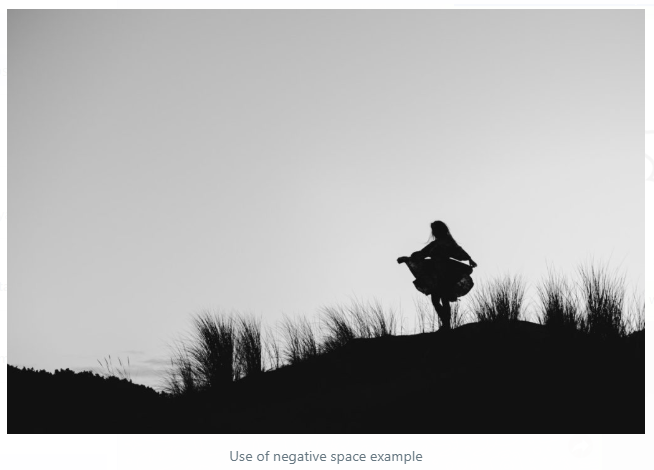
One of the chief advantages of asymmetrical balance is its ability to convey movement. Imagine a canvas where the placement of disparate elements suggests motion. A larger, darker shape positioned against a smaller, lighter counterpart can evoke a sense of upward thrust. This visual momentum captivates the eye, drawing it through the composition. The careful modulation of weight within the frame encourages exploration; the viewer’s gaze is no longer confined to a static focal point but liberated to traverse the entirety of the piece.
Furthermore, asymmetrical balance reflects the complexities of real life. Unlike the idealized symmetry often sought in nature or classical architecture, asymmetrical designs resonate with authenticity. They encapsulate human experiences—rich with diversity and unpredictability. Such representations can inspire emotional responses, enabling viewers to connect with a piece on a personal level. This emotional resonance is particularly pertinent in modern design, where audiences increasingly seek individuality and uniqueness.
In the realm of graphic design, asymmetrical balance proves particularly potent. Designers can leverage this principle to direct narrative flow and facilitate user engagement. For instance, a layout that juxtaposes bold typography against subtle imagery creates an arresting visual hierarchy. By strategically positioning text and graphics, the designer can guide the viewer’s eye through the intended journey of information. The result is a more engaging experience, one that encourages interaction rather than passive observation.
Moreover, asymmetrical balance cultivates a sense of innovation and creativity. The departure from traditional frameworks allows designers to experiment with unexpected combinations of color, texture, and form. Such experimentation can yield refreshing outcomes that challenge preconceived notions of design. By embracing asymmetry, artists not only differentiate their work but also contribute to the broader discourse on creativity, pushing the envelope of what is considered aesthetically pleasing.
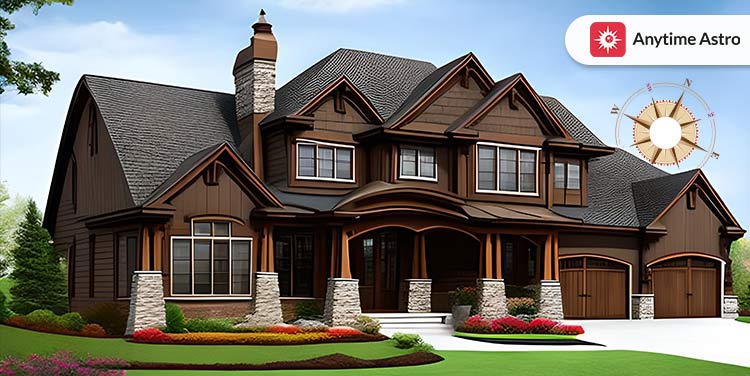
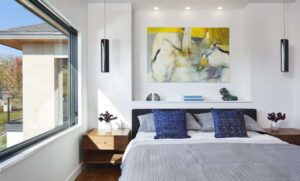
The practical applications of asymmetrical balance extend to various mediums, including architecture, interior design, and even fashion. Consider how an architect might employ asymmetrical elements to create visually arresting structures that defy monotony. This might involve a façade that features varying window sizes or a roofline that undulates whimsically. Each deviation from symmetry can symbolize disruption in a positive light, challenging occupants to experience spaces in new and meaningful ways.
Asymmetrical balance does not rely solely on contrasting elements; it also hinges upon the careful consideration of color and texture. A well-balanced composition often employs a harmony of hues, where bold colors coexist with muted tones. This interplay heightens interest, encouraging the viewer to pause and reflect on each element’s significance. Indeed, the juxtaposition of smooth versus rough textures amplifies the visual dialogue, further enriching the viewer’s experience.
The power of asymmetrical balance also lies in its capacity to evoke specific emotions. An artist can, for example, utilize an off-center composition to instill a sense of unease or tension. Conversely, a thoughtfully arranged asymmetrical piece can radiate a feeling of peace, as elements fold into one another through intentional placement. The emotional undertones of a work can change profoundly when viewed through an asymmetrical lens, enriching the narrative and deepening audience engagement.
Exploring asymmetrical balance broadens our understanding of design’s role in communication. In a world saturated with visual content, standing out becomes increasingly challenging. Designers who master asymmetry create compelling narratives that resonate, capturing attention and stimulating discourse. Such works invite dialogue—not just about the piece itself but about broader societal themes and emotional experiences. They challenge viewers to step outside of their comfort zones, to ponder the intricate balance of chaos and order within their own lives.
Ultimately, embracing asymmetrical balance invites a shift in perspective. It transforms the way designers and artists approach their work, fostering an appreciation for innovation, emotion, and viewer engagement. In modern design—whether for branding, editorial content, or immersive environments—this principle becomes indispensable. Cultivating an understanding and appreciation of asymmetrical balance not only enriches the creative process but also arms artists with the tools to provoke thought and inspire change.
As we navigate the complexities of contemporary design, let us explore the artful potency of asymmetrical balance. It promises a departure from the mundane and an embrace of the extraordinary. The next time you engage with a piece of art or design, consider how asymmetry shapes your experience. Contemplate the interplay of elements, the emotions they invoke, and the invitation to explore beyond the familiar. With this awareness, the act of creation becomes not just a task, but an exhilarating journey into the depths of artistic expression.