

Imagine holding a print so vivid, so rich in detail, that it seems to leap off the page with the depth of a photograph—yet it was crafted entirely by hand, one layer of ink at a time. This is the magic of 5-block process color prints, a technique that marries the precision of modern color theory with the tactile soul of traditional block printing. Far from the flat, limited palettes of conventional prints, these works achieve a photographic realism that feels almost uncanny. They are not merely reproductions; they are reimaginings, where each carved wooden block becomes a brushstroke in a grander composition. Whether you’re an artist, a collector, or simply someone who appreciates the intersection of craft and illusion, these prints offer a window into a world where art and technique collide in the most breathtaking ways.
At the heart of this process lies a meticulous dance between color separation and layering. Unlike standard color printing, which often relies on CMYK or RGB models, 5-block process prints use five distinct carved blocks—each dedicated to a specific hue or tonal range. This approach allows for an unparalleled richness in color transitions, subtle gradients, and even the illusion of light and shadow. The result? Prints that don’t just depict a scene but evoke it, pulling the viewer into a moment frozen in time. From the delicate blush of a sunset to the intricate play of light on water, these prints transform the ordinary into the extraordinary.

The Alchemy of Color Separation: How Five Blocks Create a Spectrum
To understand the genius of 5-block process prints, you must first grasp the concept of color separation. In traditional block printing, each color is applied using a separate carved block. Most prints use three or four blocks, but five? That’s where the real sorcery begins. The fifth block introduces an additional layer of control, allowing artists to fine-tune hues, correct tonal imbalances, and introduce nuanced details that would otherwise be lost in a simpler palette.
Imagine a painter’s palette, but instead of mixing colors on a surface, the artist pre-determines each hue by carving it into a block. The first block might lay down the foundational tones—a warm ochre for the sand in a beach scene. The second could add the sky’s azure, while the third introduces the verdant greens of palm fronds. The fourth block might handle the shadows, and the fifth? That’s where the magic happens. Perhaps it’s a touch of cerulean to deepen the ocean’s hue or a whisper of burnt sienna to warm the shadows. This fifth block acts as a corrective lens, refining the print’s overall harmony and ensuring that no color overpowers another.
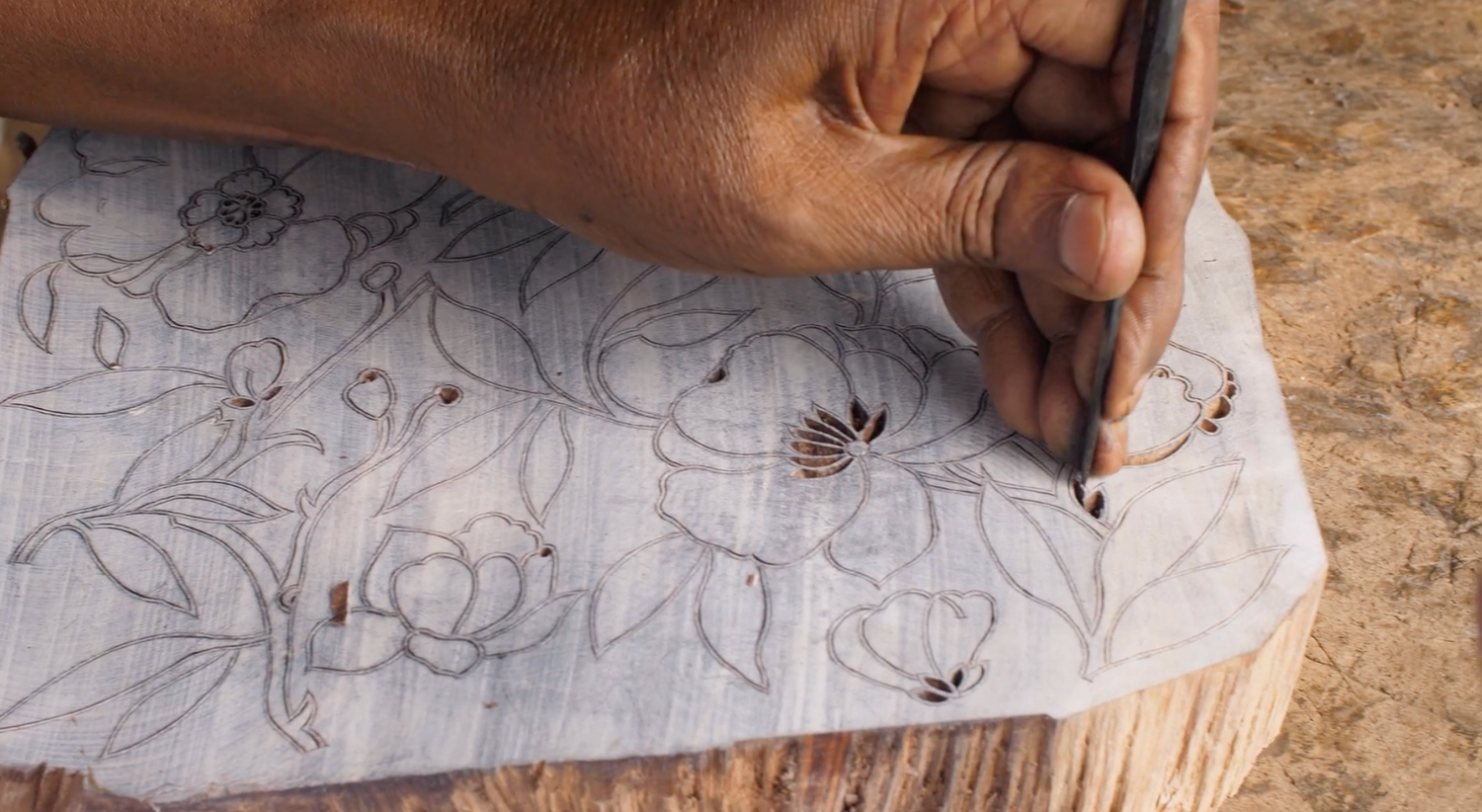
The process begins with a high-resolution photograph or artwork, which is then analyzed to determine the precise colors needed. Each color is separated into its own layer, and a skilled block carver translates these layers into physical blocks. The carving itself is an art form—too deep, and the ink spreads unevenly; too shallow, and the color lacks vibrancy. The artisan must balance precision with intuition, knowing exactly how each cut will interact with the paper and the ink. When all five blocks are inked and pressed in sequence, the layers coalesce into a single, cohesive image that feels almost three-dimensional.
Photographic Realism: The Illusion of Depth and Light
What sets 5-block process prints apart from their simpler counterparts is their ability to mimic the tonal range and luminosity of a photograph. A well-executed print can replicate the soft gradients of a cloudy sky, the crisp highlights of a sunlit window, or the delicate translucency of a flower petal. This level of realism is achieved through a combination of strategic ink application and the interplay of layers. Each block contributes to the overall depth, whether by adding a base tone, enhancing shadows, or introducing a subtle shift in hue.
Consider the work of a master printer capturing a bustling market scene. The first block might establish the warm, earthy tones of the cobblestone streets. The second could introduce the vibrant reds of a vendor’s stall, while the third adds the cool blues of a nearby river. The fourth block might deepen the shadows under awnings, and the fifth? It could be used to add a golden glow to the edges of objects, creating a sense of light catching the scene at a specific moment. The result is not just a depiction of a market but an immersion into its atmosphere. The viewer doesn’t just see the scene—they feel the warmth of the sun, the hustle of the crowd, and the texture of the stone beneath their feet.
This photographic quality is further enhanced by the choice of paper and ink. High-quality, textured paper can add a tactile dimension, while archival inks ensure that the colors remain vibrant for generations. The interplay between the ink’s opacity and the paper’s absorbency creates a subtle depth that flat prints simply cannot achieve. It’s a reminder that even in an age of digital perfection, there’s something profoundly human about the imperfections and nuances of handcrafted art.
The Artist’s Toolkit: Materials and Techniques That Elevate the Craft
Creating a 5-block process print is as much about the materials as it is about the technique. The choice of wood for the blocks, the type of ink, and even the paper all play a crucial role in the final outcome. Traditionalists often favor cherry or pear wood for their fine grain and durability, while others experiment with softer woods like basswood for finer details. The carving tools themselves range from delicate gouges to robust chisels, each designed to remove just the right amount of material without splintering the wood.
Ink, too, is a critical component. Water-based inks are popular for their ease of use and quick drying times, but oil-based inks offer a richer, more luminous finish. The ink’s consistency must be carefully calibrated—too thick, and it won’t spread evenly; too thin, and it will bleed into the paper. Many artists mix their own inks, adjusting the ratios of pigment to medium to achieve the perfect balance. The paper, meanwhile, can range from smooth and bright to rough and textured, each affecting how the ink interacts with the surface. A heavily textured paper, for example, can create a soft, diffused effect, while a smooth sheet will yield crisp, clean lines.
The printing process itself is a study in patience and precision. Each block must be inked and pressed with the same pressure to ensure consistency. Misalignment—even by a fraction of a millimeter—can disrupt the harmony of the final print. Many artists use a baren (a traditional Japanese tool) or a modern etching press to apply even pressure, but some still rely on the time-honored method of hand-burnishing, where a smooth stone or metal tool is rubbed over the back of the paper to transfer the ink. The result is a print that feels not just seen but experienced—a testament to the artist’s dedication and skill.

From Tradition to Innovation: The Evolution of Process Color Printing
While block printing is one of the oldest forms of printmaking, dating back to ancient China and Japan, the 5-block process is a relatively modern evolution. Traditional Japanese ukiyo-e prints, for example, often used multiple blocks but rarely exceeded four colors. The shift to five blocks represents a fusion of traditional craftsmanship with contemporary artistic ambitions. Today, artists are pushing the boundaries of the technique, experimenting with unconventional color palettes, abstract compositions, and even incorporating digital elements into their designs.
Some contemporary printers are exploring the use of metallic inks or glow-in-the-dark pigments to add a new dimension to their work. Others are blending block printing with other mediums, such as screen printing or digital collage, to create hybrid pieces that defy categorization. The rise of social media has also democratized the art form, allowing artists to share their processes and inspire a new generation of printers. Platforms like Instagram and TikTok are filled with timelapse videos of artists carving blocks and printing layers, sparking curiosity and appreciation for the craft.
Yet, despite these innovations, the core principles of the 5-block process remain rooted in tradition. The emphasis on handcrafted precision, the interplay of light and shadow, and the celebration of texture and imperfection are what give these prints their enduring appeal. In a world dominated by digital perfection, there’s a quiet rebellion in the act of creating something by hand—a reminder that art is not just about the final product but the journey of its making.
Collecting and Commissioning: How to Bring a 5-Block Process Print into Your Life
For those captivated by the allure of 5-block process prints, the next step is often to bring one into their own space. Collecting these prints is about more than just decorating a wall; it’s about owning a piece of history, a snapshot of an artist’s vision rendered in ink and wood. When seeking out a print, consider the artist’s body of work and their approach to color and composition. Do they favor bold, graphic designs, or do they lean into subtle, atmospheric pieces? The scale of the print also matters—larger pieces can dominate a room, while smaller works might find a cozy niche on a bookshelf.
Commissioning a custom print is another way to experience the magic of the 5-block process firsthand. Many artists welcome the opportunity to collaborate on a piece tailored to your space and aesthetic. Whether it’s a portrait of a beloved pet, a landscape from your travels, or an abstract design inspired by your home’s color palette, a custom print becomes a deeply personal work of art. The process of commissioning also offers a behind-the-scenes look at the artist’s workflow, from initial sketches to the final layers of ink.
When displaying a 5-block process print, consider the lighting and surroundings. Natural light can enhance the print’s luminosity, while a well-placed spotlight can draw attention to its textures and details. Pairing the print with complementary materials—such as a wooden frame, a textured textile, or even a sculptural object—can further elevate its presence. Remember, these prints are not just static images; they are living works that evolve with the light and the viewer’s perspective.
The Timeless Appeal of Handcrafted Illusion
In an era where digital tools can replicate almost any effect with the click of a button, the enduring appeal of 5-block process prints lies in their authenticity. There’s no algorithm dictating the colors, no machine ensuring perfect alignment—just the steady hands of an artist, the grain of the wood, and the alchemy of ink on paper. These prints are a rebellion against the disposable nature of modern art, a celebration of slowness, patience, and the human touch.
They are also a testament to the power of illusion. A well-executed 5-block process print doesn’t just depict reality; it transcends it. It invites the viewer to look closer, to see the layers beneath the surface, and to appreciate the thought and skill that went into its creation. Whether hanging in a gallery, adorning a home, or tucked into a personal collection, these prints are more than decorations—they are portals to another world, where craftsmanship and creativity collide in the most extraordinary ways.
So the next time you encounter a 5-block process print, take a moment to pause. Look beyond the image itself and consider the journey it took to get there—the carving, the inking, the pressing, the layering. Appreciate the way the light plays across its surface, the way the colors seem to glow from within. In that moment, you’re not just looking at a print; you’re witnessing the intersection of art and craft, of tradition and innovation, of the tangible and the intangible. And that, perhaps, is the most photographic effect of all.


Leave a Comment