

Have you ever watched a Disney animation and felt an inexplicable pull, as if the characters were whispering secrets straight into your soul? That’s no accident. Disney’s magic isn’t just in the vibrant colors or the catchy tunes—it’s in the way movement breathes life into every frame. But here’s the playful challenge: How do you make your own animations feel as alive as a Disney classic? The answer lies in five timeless principles that Disney still wields like a master sculptor with clay. Let’s dive in.
The Power of the Silhouette: Shape Your Story
Imagine a character standing still. Now, strip away the colors, the textures, the details. What’s left? A silhouette. If that silhouette isn’t instantly recognizable, your character might as well be a blob. Disney knows this better than anyone. Take Simba from *The Lion King*—even as a cub, his silhouette screams royalty. The arched back, the proud tail, the regal head tilt. It’s not just about how a character *looks*; it’s about how their *shape* tells a story before they even move.
Why does this matter? Because in animation, clarity is king. A strong silhouette ensures your audience grasps the essence of a character in a single glance. It’s the difference between a forgettable extra and an iconic hero. So, before you animate, ask yourself: Does this pose scream who my character is? If not, refine it. Disney’s animators don’t just draw—they sculpt with light and shadow.
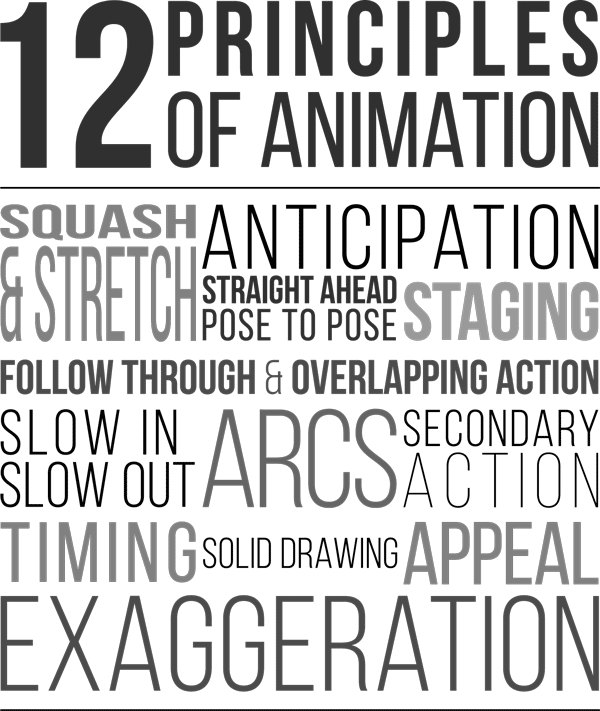
Exaggeration: Bend Reality to Your Will
Life is subtle. Animation is not. Disney’s characters don’t just walk—they *strut*, they *lunge*, they *soar*. They defy physics with a grin, because exaggeration isn’t about lying; it’s about amplifying truth. Think of Goofy’s rubbery limbs or Elsa’s billowing cape. These aren’t realistic movements—they’re *emotional* movements. A slight slouch can convey defeat; a dramatic leap can scream triumph.
But here’s the catch: Exaggeration must serve a purpose. Overdo it, and your animation becomes a chaotic carnival. Underdo it, and it feels lifeless. Disney’s magic lies in the balance. They take a simple walk cycle and turn it into a symphony of personality. The key? Start with realism, then push it to the edge of believability. Ask: What’s the core emotion here? Now, make it *bigger*.

Anticipation: The Invisible Setup
Ever seen a character suddenly lunge forward and thought, “Wait, where did that come from?” That’s a lack of anticipation. Disney’s animators know that movement isn’t just about the action—it’s about the *preparation*. A punch doesn’t start with the fist; it starts with a coiled shoulder. A jump doesn’t begin with the leap; it begins with a crouch. Anticipation is the unsung hero of smooth animation, the silent promise that something is about to happen.
Why does this matter? Because anticipation builds tension. It tells the audience, “Pay attention—this is important.” Without it, movements feel robotic, jarring. Disney’s films are masterclasses in this. Watch how Ariel gathers herself before diving into the ocean or how Aladdin winds up before sliding down the palace wall. Each movement is a domino, and anticipation is the first tile to fall. So, before your character acts, give them a moment to *prepare*. The audience will feel the difference.
Follow-Through and Overlapping Action: The Dance of Physics
Here’s a riddle: If a character stops moving, do they *really* stop? In Disney’s world, the answer is no. Follow-through is the lingering echo of motion. It’s the cape that continues to swirl after a character stops running, the hair that sways after a head turns. Overlapping action is the cousin of follow-through—it’s the way different parts of a character move at different times. A body might stop, but the arms keep swinging. A head might halt, but the ponytail keeps bouncing.
This isn’t just about realism; it’s about *weight* and *life*. A stiff character feels like a marionette. A character with follow-through feels like they’re made of flesh and blood. Disney’s animators treat every appendage like a living thing, each with its own rhythm. The next time you animate, ask: What parts of my character are still moving after the main action? If the answer is “none,” it’s time to add some life.
Staging: The Art of the Unmissable Moment
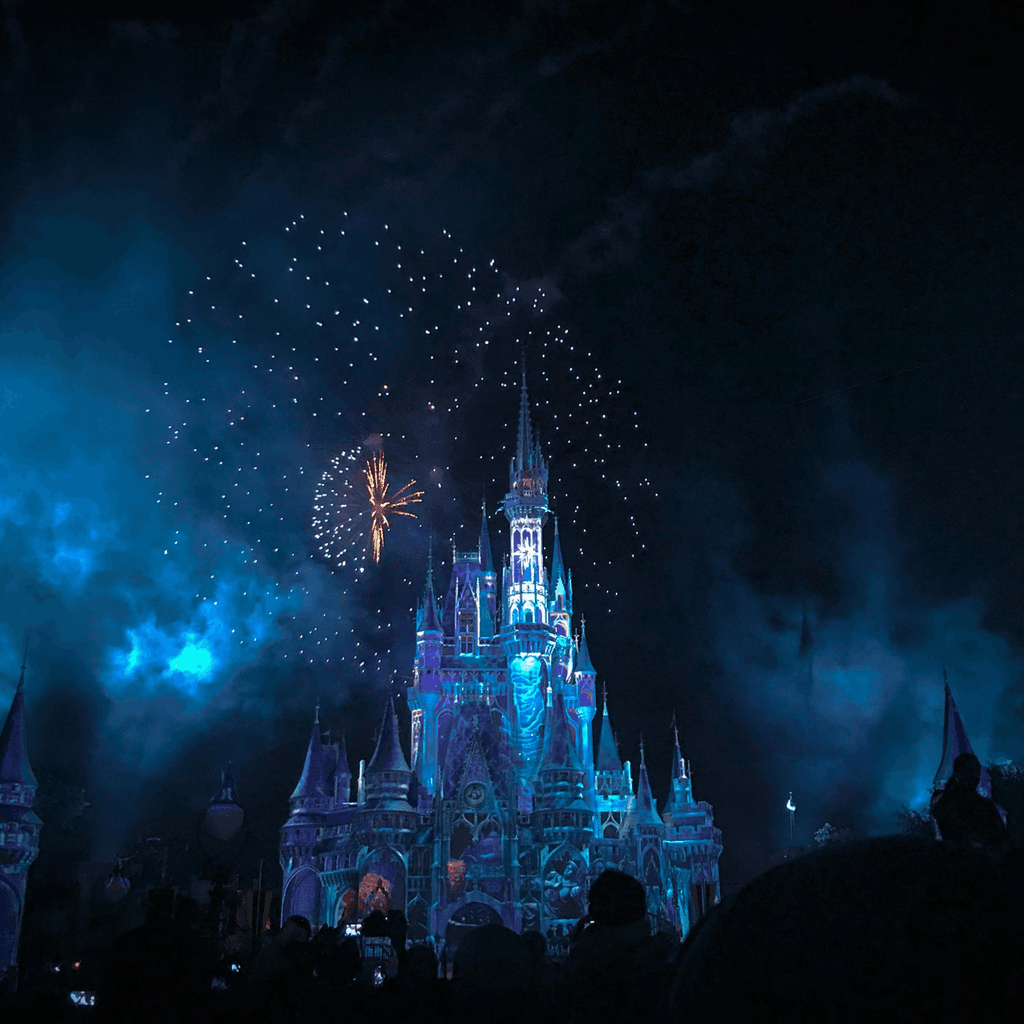
Ever watched a Disney film and felt like every frame was a painting? That’s staging. It’s not just about where you place your character—it’s about *why*. Staging is the principle that ensures your audience’s eyes are drawn to the right place at the right time. A character’s position, their gaze, the lighting, the background—all of it works together to guide the viewer’s attention.
Disney’s films are a masterclass in staging. Think of the opening shot of *Up*, where Carl’s house is framed against the vast, empty sky. Or the way Rapunzel’s golden hair glows in the lantern scene. These aren’t just pretty pictures; they’re *storytelling*. Staging is about clarity, about making sure your audience doesn’t miss the forest for the trees. So, before you animate, ask: What’s the most important thing in this scene? Now, make sure it’s impossible to look away.
Animation isn’t just about moving pixels—it’s about crafting emotion, telling stories, and making the impossible feel inevitable. Disney’s principles aren’t relics of the past; they’re tools that can elevate your work from good to legendary. So, the next time you animate, remember: Shape your characters with intention. Exaggerate with purpose. Build anticipation like a master storyteller. Let follow-through and overlapping action breathe life into your creations. And above all, stage every frame like it’s a work of art.
Now, go forth and animate—not just with your hands, but with your soul. The world needs more magic.


Leave a Comment