

Have you ever stood in a room, tilted your head just so, and suddenly noticed that your curtains are hovering like shy ghosts above the floor? It’s a subtle betrayal of design—one that whispers, “I didn’t quite commit.” Curtains that don’t kiss the floor are like sentences without punctuation: technically correct, but somehow lacking in rhythm and grace. They’re the architectural equivalent of a handshake that ends just a little too soon. So, let’s ask the question that’s been itching at the back of your mind: Why should curtains gracefully drape the floor, and what happens when they don’t?
The answer isn’t just about aesthetics—it’s about crafting an atmosphere that feels intentional, luxurious, and alive. A well-dressed window is the punctuation mark at the end of your room’s sentence, the final flourish that turns a house into a home. But here’s the twist: achieving that perfect “kiss” isn’t as simple as letting fabric pool dramatically on the floor. It’s a delicate balance of proportion, fabric weight, and architectural harmony. Get it wrong, and your curtains will either drown in excess or float like lifeless sheets. Get it right, and they’ll transform your space into something extraordinary.
The Psychology of Length: Why Your Brain Loves a Floor-Kissing Drape
Humans are hardwired to respond to vertical lines. They evoke stability, grandeur, and a subconscious sense of height. When curtains skim the floor, they elongate the walls, making ceilings appear loftier and rooms more expansive. It’s a trick as old as interior design itself—think of the towering drapes in Versailles or the sweeping fabrics in a high-end boutique hotel. But the magic doesn’t stop at perception. There’s an emotional resonance, too.
Floor-length curtains whisper luxury. They suggest that someone cared enough to invest in the details. In contrast, curtains that hover just above the floor can feel temporary, like a placeholder until you “get around” to the real decor. Even worse, they might make your space feel unfinished, as if the room is holding its breath, waiting to exhale. The difference between a curtain that grazes the floor and one that doesn’t is the difference between a well-tailored suit and an off-the-rack bargain—both cover the body, but only one makes you feel invincible.
Moreover, the tactile experience of floor-length fabric adds a layer of richness. When you brush against it—whether it’s the whisper of linen or the weight of velvet—you’re reminded that this room is a sanctuary, not just a passing throughway. It’s the difference between a handshake and an embrace.
The Perils of the “Just Right” Goldilocks Zone (And How to Avoid Them)
Finding the perfect curtain length is like Goldilocks searching for the right porridge: too short and it’s unsatisfying, too long and it’s a tripping hazard, but just right? That’s where the magic happens. The challenge lies in the variables—floor type, window height, fabric drape, and even the room’s purpose. A hardwood floor demands a different approach than a plush carpet, and a child’s playroom requires a different level of pragmatism than a formal dining room.
Let’s start with the most common misstep: curtains that are too short. These are the culprits behind the “floating fabric” phenomenon, where drapes hover a few inches above the floor like awkward party guests who don’t know when to leave. Short curtains can make a room feel cramped, as if the walls are pressing inward. They also disrupt the vertical flow, breaking the illusion of height you’re trying to create. In a small room, this can feel claustrophobic. In a large room, it can make the space feel disjointed, like a symphony missing its final note.
Then there’s the opposite extreme: curtains that puddle dramatically on the floor, creating a luxurious but impractical pool of fabric. While this look can be stunning in a formal setting—think of a grand ballroom or a boutique hotel lobby—it’s less ideal in a home where functionality matters. Puddling fabric traps dust, requires constant steaming, and can become a tripping hazard in high-traffic areas. It’s the interior design equivalent of wearing a floor-length gown to a grocery store: impressive, but not exactly practical.
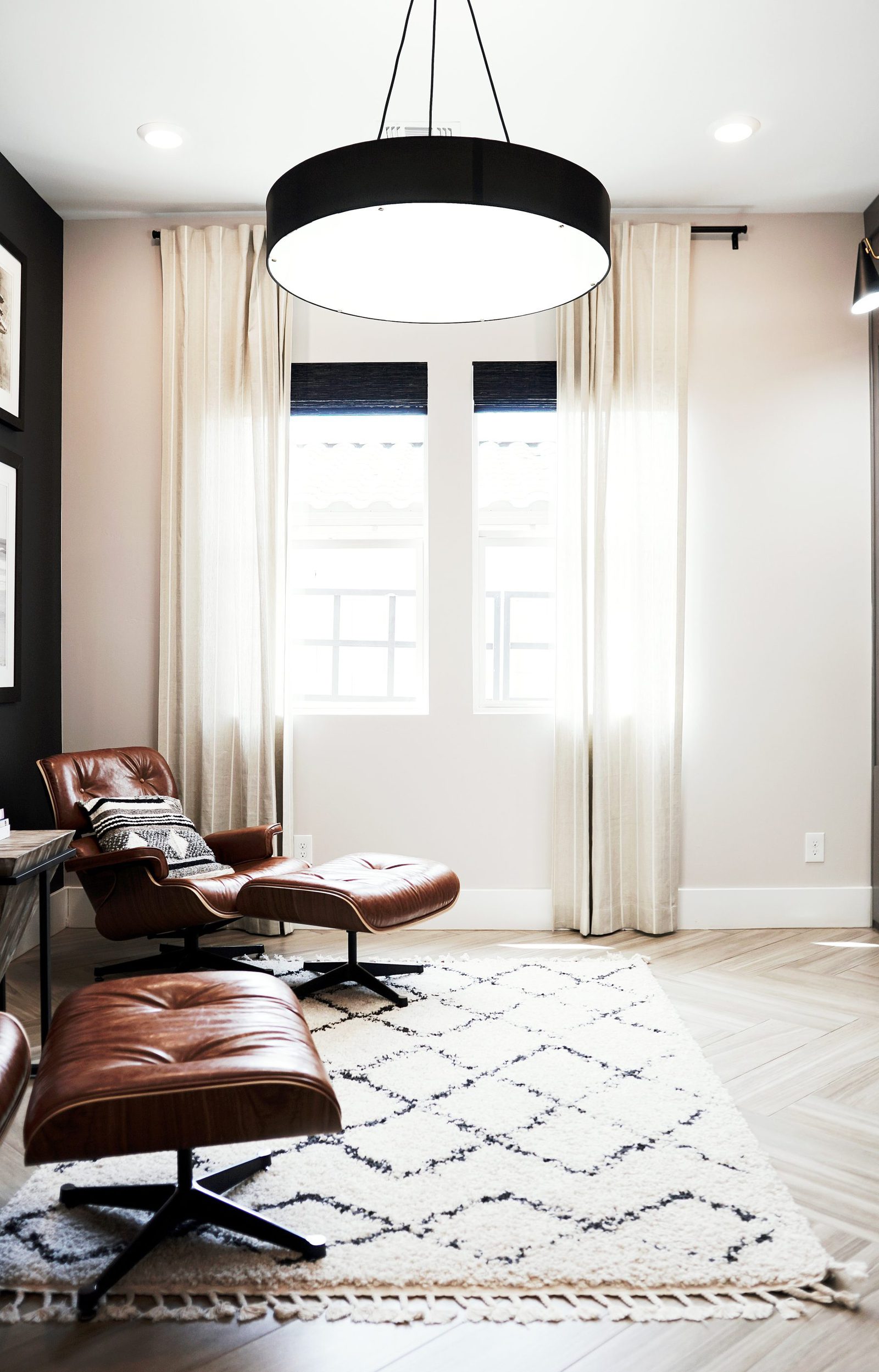
The solution? Aim for a gentle kiss. Curtains should just graze the floor, with enough fabric to create a soft fold or puddle—about half an inch to an inch of excess. This achieves the desired effect without sacrificing usability. For a more tailored look, opt for curtains that break at the floor with a crisp, clean line. For a romantic, old-world feel, allow a subtle puddle. The key is intention. Every fold, every drape should feel like a deliberate choice, not an afterthought.
:max_bytes(150000):strip_icc()/CuratedbyThea_PhotographerJenniferColeRodriguez_2-6ec4ce0c0e01443a9b6f923f4acc1500.jpg)
Fabric Matters: The Secret Language of Drape and Weight
Not all fabrics are created equal when it comes to achieving the perfect floor-length drape. The weight, texture, and drape of your curtain fabric will dictate how it falls—and whether it flatters your room or flops unceremoniously onto the floor. Lightweight fabrics like linen or sheer cotton will create a soft, airy effect, ideal for casual spaces where you want to invite natural light. Heavier fabrics like velvet or brocade, on the other hand, will pool dramatically, adding a sense of opulence and warmth.
Consider the room’s purpose. In a bedroom, where privacy and coziness are paramount, heavier fabrics like velvet or blackout linen will create a cocoon-like atmosphere. In a living room, where you want to balance elegance with livability, a medium-weight fabric like wool or a linen-cotton blend will offer the best of both worlds. And in a dining room, where you want to make a statement, a rich, heavy fabric like silk or damask can transform the space into a setting worthy of a royal feast.
But fabric choice isn’t just about aesthetics—it’s about physics. A lightweight fabric will billow and sway with the slightest breeze, creating a dynamic, almost living quality. A heavier fabric will hang straight and true, exuding quiet authority. The wrong fabric can turn your curtains into a sagging mess, while the right one will make them look like they’ve been sculpted by an artist. So, before you fall in love with a pattern, ask yourself: How does this fabric move? Does it drape like a waterfall or hang like a leaden sheet?
Architectural Harmony: Matching Curtains to Your Room’s Bones
Curtains aren’t just decorative—they’re architectural elements that should complement your room’s existing features. The height of your ceilings, the size of your windows, and even the style of your moldings all play a role in determining the ideal curtain length. In a room with soaring ceilings, floor-length curtains will emphasize the verticality, making the space feel even grander. In a room with lower ceilings, floor-length curtains can feel overwhelming, so consider a slightly shorter length or a lighter fabric to keep the proportions balanced.
Windows are another critical factor. Floor-to-ceiling windows, common in modern homes, demand floor-length curtains to maintain a sense of proportion. Smaller windows, on the other hand, can benefit from curtains that break just above the floor, creating the illusion of height without overwhelming the space. And don’t forget about moldings! In a room with elaborate crown molding, curtains that graze the floor will highlight the architectural details, while puddling curtains can create a sense of drama and grandeur.
Even the placement of your curtain rod matters. Hanging the rod closer to the ceiling will elongate the walls and make the room feel taller. Hanging it closer to the window frame will create a more intimate, cozy feel. The key is to experiment. Hang a temporary rod, tape the fabric in place, and step back to see how the proportions feel. Sometimes, the difference between a room that works and a room that doesn’t is just a few inches of rod placement.
:max_bytes(150000):strip_icc()/MollyBrunoInteriorscurtains2photobyDanChung-497b807c7cf74091af147e0e3f429463.jpg)
The Practical Side: Cleaning, Maintenance, and the Curtain Conundrum
Of course, no discussion of curtain length would be complete without addressing the practicalities. Floor-length curtains are undeniably beautiful, but they’re also magnets for dust, pet hair, and the occasional scuff from a rogue shoe. If you have allergies or a busy household, consider fabrics that are easy to clean, like washable linen or performance fabrics that resist wrinkles and stains. For a more high-maintenance fabric like velvet, invest in a good steamer and a lint roller, and be prepared to put in a little extra effort to keep them looking pristine.
Another consideration is the floor itself. Hardwood floors are forgiving, allowing curtains to glide across the surface without snagging. Carpeted floors, on the other hand, can cause fabric to bunch up or fray over time. If you have carpet, opt for a slightly shorter length or a lighter fabric that won’t drag. And if you’re worried about tripping, consider curtains with a subtle break at the floor, rather than a dramatic puddle.
Finally, think about the functionality of your curtains. Floor-length drapes can block light more effectively than shorter ones, making them ideal for bedrooms or media rooms. But if you’re hanging curtains in a kitchen or a bathroom, where moisture and grease are concerns, opt for a shorter length or a fabric that’s easy to wipe down. The goal is to create a space that’s both beautiful and livable—one that doesn’t require you to tiptoe around your own decor.
A Room Transformed: The Final Flourish
When all the elements come together—length, fabric, rod placement, and architectural harmony—the result is nothing short of transformative. A room with well-dressed windows feels curated, intentional, and alive. It’s a space that invites you to linger, to breathe, to exist. The curtains become more than just window coverings; they’re the finishing touch that elevates your decor from ordinary to extraordinary.
So, the next time you stand in a room and feel that subtle unease—the one that whispers, “Something’s not quite right”—take a closer look at your curtains. Are they hovering? Are they drowning? Or are they, finally, kissing the floor? Because in the end, the perfect curtain length isn’t just about aesthetics. It’s about creating a home that feels like a sanctuary, a place where every detail has been thoughtfully considered. And isn’t that what we’re all striving for?


Leave a Comment