

The air hums with whispers before a word is ever spoken. It lingers—an invisible thread weaving through corridors, clinging to curtains, nestling in the grain of wood. This is the silent language of space, not seen but deeply felt. Olfactory design, the art of curating scent as deliberately as light or texture, transforms architecture from mere shelter into a living, breathing entity. It doesn’t just fill rooms; it animates memory, stirs emotion, and crafts identity. Welcome to the world where scent is the unseen architect—where every inhale tells a story.
Imagine stepping into a grand cathedral. The cool stone, the polished pews, the filtered light—these are the visual and tactile cues that define its majesty. But what lingers long after you leave is the faint aroma of aged wood, beeswax candles, and incense. That scent isn’t accidental. It’s a deliberate composition, a symphony of olfactory notes designed to elevate the spiritual experience. This is emotional architecture in its purest form: where scent doesn’t just complement the space—it becomes part of its soul.


The Invisible Thread: How Scent Anchors Memory and Emotion
Our sense of smell is evolution’s most ancient storyteller. Unlike sight or sound, which can be turned off or ignored, scent slips past our defenses, directly into the limbic system—the brain’s emotional command center. A whiff of rain on hot pavement can transport you to childhood summers. The faintest trace of vanilla might evoke a grandmother’s kitchen. This phenomenon, known as olfactory memory, is not just psychological—it’s physiological. Scent molecules bind to olfactory receptors, triggering neurons that fire memories with astonishing clarity.
Architects and designers who understand this power don’t just design spaces—they design emotional ecosystems. A boutique hotel might infuse its lobby with bergamot and cedar to evoke warmth and exclusivity. A meditation center could use lavender and frankincense to induce calm. These aren’t arbitrary choices; they’re intentional emotional cues. Olfactory design becomes a silent guide, shaping how we feel before we even realize why.
Consider the way a hospital corridor, often sterile and cold, could be transformed not by changing the walls, but by diffusing a gentle citrus and eucalyptus blend. The scent doesn’t cure illness, but it can ease anxiety, lower stress hormones, and create a more humane environment. In this way, scent becomes a form of care—an invisible hand guiding the human experience.
The Alchemy of Atmosphere: Crafting Scent as a Design Element
Olfactory design is not about overwhelming the senses with perfume. It’s about orchestration—layering subtle, complementary aromas that evolve over time, much like a musical composition. The process begins with understanding the essence of a space: its purpose, its users, and its desired emotional tone.
A luxury spa, for instance, might layer sandalwood, jasmine, and a hint of rain to create a multisensory retreat. The sandalwood grounds the experience, jasmine uplifts the spirit, and the rain note evokes purity and renewal. Each scent is chosen not just for its aroma, but for its emotional resonance. The result is an atmosphere that feels like a sanctuary—where every breath deepens the sense of escape.
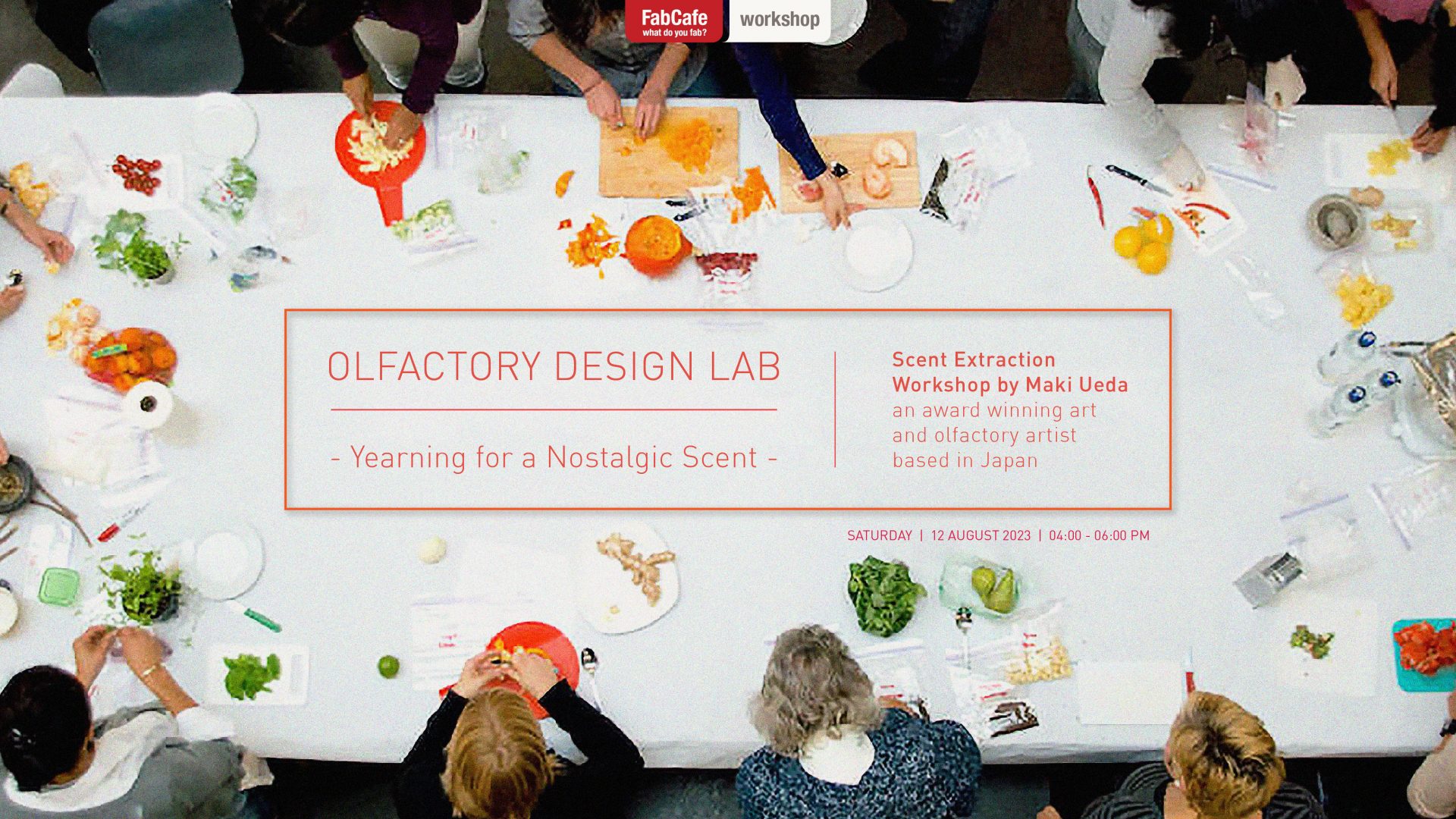
Technology plays a crucial role in this alchemy. Scent diffusers, microencapsulation, and even smart HVAC systems can release fragrances in controlled doses, synchronized with time of day or occupancy. Imagine a museum where the scent of aged paper and leather subtly intensifies as visitors enter the rare books section—enhancing the tactile illusion of history. Or a retail store where a light citrus burst greets shoppers, subtly energizing their mood and encouraging exploration.
But the magic lies in restraint. The most effective olfactory designs are nearly imperceptible—like the background hum of a well-composed soundtrack. They don’t announce themselves; they seep into the subconscious, shaping perception without drawing attention. This is the art of atmospheric alchemy: transforming the air itself into a medium of meaning.
From Nostalgia to Innovation: The Cultural Resonance of Scented Spaces
Scent is deeply cultural. What smells like “home” in Tokyo might evoke “hospital” in Berlin. Olfactory design must therefore be sensitive to context, weaving local traditions, materials, and memories into its palette. In Japan, the subtle aroma of hinoki wood—used in temples and bathhouses—is believed to purify the spirit. Integrating this scent into a contemporary office lobby could evoke tranquility and cultural continuity, even in a modern setting.
In contrast, a Parisian café might embrace the rich, roasted scent of freshly ground coffee beans, not just as a sensory cue, but as a cultural emblem. The aroma becomes part of the brand’s identity, a silent ambassador that says, “This is where culture and comfort meet.”
Olfactory design also offers a powerful tool for placemaking—the art of creating spaces that feel uniquely tied to their location. A coastal resort might blend sea salt, driftwood, and citrus to evoke the ocean breeze. A mountain lodge could use pine, cedar, and a touch of campfire smoke to conjure alpine warmth. These aren’t just smells; they’re place-based narratives, stories told through the air we breathe.
Innovative designers are even exploring scent as a form of storytelling in public spaces. A city plaza might release different aromas at different times of day—morning citrus to energize commuters, afternoon lavender to calm midday stress, evening amber to invite reflection. These temporal scentscapes transform urban environments from functional zones into emotional landscapes, where the city breathes with its inhabitants.
Beyond the Aroma: The Ethics and Sustainability of Olfactory Design
With great power comes great responsibility. Olfactory design must balance sensory impact with ethical and environmental considerations. Synthetic fragrances, while cost-effective, often contain volatile organic compounds (VOCs) that can trigger allergies or pollute indoor air. Natural essential oils, though purer, require vast quantities of plant material and can be ethically sourced only through sustainable practices.
Designers are turning to biophilic olfactory design—using plant-based, locally sourced scents that support biodiversity and reduce environmental impact. Imagine a corporate headquarters where indoor plants not only purify the air but release their natural fragrances, creating a living, breathing atmosphere. This approach aligns sensory experience with ecological stewardship, proving that beauty and sustainability can coexist.
There’s also the question of inclusivity. Scent preferences are deeply personal, and what one person finds comforting, another may find overpowering or even offensive. Olfactory designers must conduct thorough user research, testing scent profiles across diverse demographics to ensure inclusivity. A scent that evokes nostalgia for one culture might trigger discomfort for another. The goal is not to impose a single emotional tone, but to create a sensory environment that feels welcoming to all.
Moreover, scent should never be used manipulatively. While it can influence mood and behavior, ethical design respects autonomy. The aim is not to trick the senses, but to enrich them—to offer an additional layer of meaning that enhances, rather than dictates, the human experience.
The Future of Scent in Architecture: A Breath of Possibility
We stand at the threshold of a new era in design—one where scent is no longer an afterthought, but a cornerstone of spatial experience. Emerging technologies like AI-driven scent synthesis and personalized fragrance algorithms promise to make olfactory design more adaptive and responsive than ever before. Imagine a smart home that adjusts its scent profile based on your circadian rhythm, mood, or even the weather outside.
Architects are also beginning to integrate scent into the very fabric of buildings. Research into scent-emitting materials—such as walls infused with microencapsulated fragrances or textiles woven with aromatic fibers—could lead to structures that literally breathe their identity. A school built with these materials might release peppermint during study hours to enhance focus, then switch to chamomile in the evening to promote relaxation.
This evolution reflects a broader shift in design philosophy: from static structures to dynamic, responsive environments that engage all the senses. Olfactory design is not just about adding a pleasant smell. It’s about creating spaces that feel alive—spaces that remember, that respond, that resonate on a primal level with those who inhabit them.

The spaces we inhabit shape who we are. They hold our laughter, our tears, our quiet moments of reflection. But what if they could also hold our memories? What if a staircase could whisper the scent of rain on cobblestones, or a bedroom could exhale the warmth of a summer garden? Olfactory design doesn’t just fill the air—it fills the soul. It turns buildings into vessels of emotion, corridors into memory lanes, and rooms into living poems written in scent.
So the next time you walk into a space and pause, unconsciously inhaling—ask yourself: What is this place trying to say? What memory is it awakening? What emotion is it nurturing? The answer might not be in the walls or the windows, but in the invisible currents that drift between them. In the breath of the building itself.


Leave a Comment