

In the labyrinthine streets of Manhattan, where the hum of luxury sedans blends with the clatter of designer heels on cobblestone, a silent code governs the wardrobes of the Upper East Side’s elite. It’s not just about looking expensive—it’s about whispering a language of power, heritage, and unspoken rules that have been passed down through generations like a family heirloom. Yet, in the age of TikTok, these clandestine dress codes have been thrust into the spotlight, dissected by millions who now crave the elusive “UES aesthetic.” What once was a guarded secret among New York’s old-money dynasties is now a global phenomenon, sparking both admiration and parody. But why does this particular sartorial subculture hold such a hypnotic allure? The answer lies in the intersection of aspiration, exclusivity, and the human desire to decode the symbols of success.

The Unwritten Rules: Where Heritage Meets Hemlines
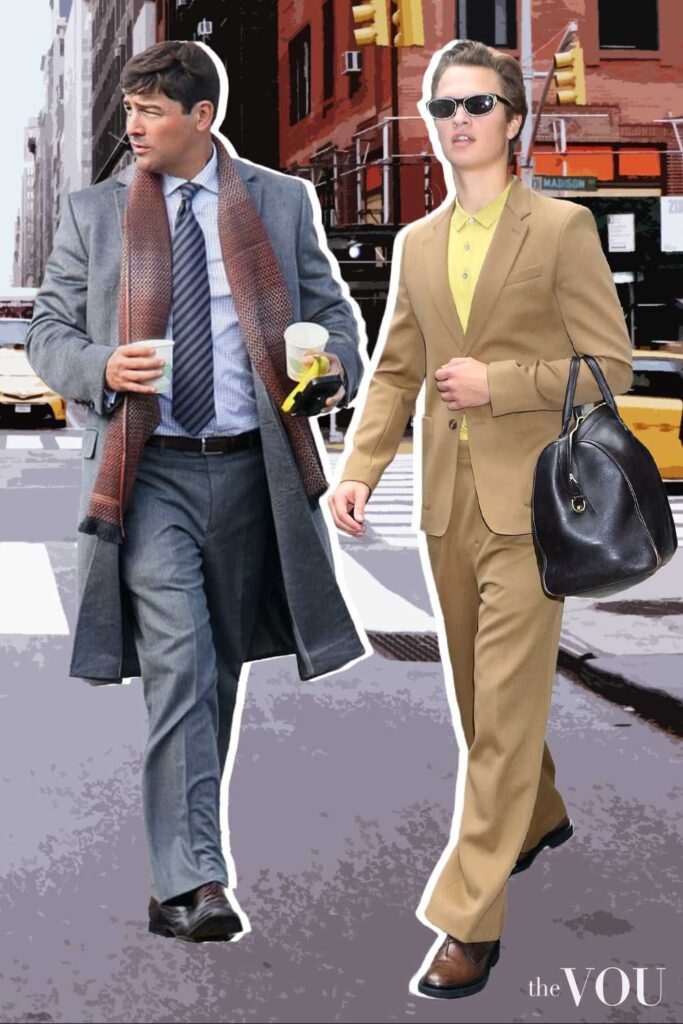
The Upper East Side’s dress code is less a manual and more a living, breathing entity—evolving yet unyielding. At its core, it’s a study in contradictions: opulence cloaked in restraint, tradition draped in modernity. The first commandment? Fabric matters. Cashmere isn’t just a material; it’s a statement of lineage. A well-worn Burberry trench? Proof of time spent in London or Aspen. A silk scarf knotted just so? A nod to the Ivy League or a grandmother’s European travels. These aren’t just clothes; they’re a visual résumé of where one has been and who they associate with.
Then there’s the matter of fit. The Upper East Side abhors anything that clings too tightly or billows too wildly. Tailoring is non-negotiable. A blazer should skim the waist, trousers should break just above the shoe, and a dress should whisper rather than shout. Even in casual moments, there’s a precision—think of the effortless chic of a cashmere sweater draped over the shoulders of a woman exiting a black car, or the way a man’s oxford shirtsleeves are rolled to reveal a vintage Rolex. It’s not about standing out; it’s about being seen by the right people in the right way.
The Seasonal Shifts: From Park Avenue to the Hamptons
The dress code isn’t static; it’s a chameleon, shifting with the seasons and the setting. In the winter, the Upper East Side transforms into a runway of tailored wool coats, fur-lined gloves, and knee-high boots polished to a mirror sheen. Black remains the dominant hue, not out of mourning, but because it’s the color of power—elegant, timeless, and unapologetic. Come spring, the palette lightens, but never strays too far from neutrals. A pastel blazer might make an appearance, but only if paired with a crisp white shirt and loafers polished to perfection.
Summer is where the rules loosen slightly, but only for those who’ve earned the right to bend them. Linen suits appear, but they’re always in shades of beige or stone, never loud patterns. Sundresses are acceptable, but only if they’re paired with a structured tote and espadrilles. And under no circumstances should one’s attire clash with the backdrop of a Hamptons beach club or a Tribeca loft. The message is clear: even in relaxation, there’s a performance to uphold.

The TikTok Effect: Democratizing the Elite
For decades, the Upper East Side’s dress code was a closely guarded secret, accessible only to those who moved in its circles. But TikTok changed everything. Overnight, influencers with thousands of followers began breaking down the nuances of “UES realness”—how to style a Burberry scarf, where to source vintage Hermès, the art of the “quiet luxury” sneaker. The platform didn’t just expose the codes; it deconstructed them, making them digestible for the masses. Suddenly, a teenager in Ohio could curate a wardrobe that mimicked the elite’s, even if she’d never set foot on Madison Avenue.
Yet, this democratization has sparked a paradox. The more the dress code is shared, the more it risks losing its exclusivity. When everyone can buy a $2,000 trench coat, does it still signify status? The Upper East Side’s elite have responded by doubling down on subtlety. The new trend isn’t about logos or flashy designer pieces; it’s about understated craftsmanship and the ability to blend in while standing out. A $500 pair of jeans from a boutique in SoHo might be more coveted than a $5,000 handbag from a luxury house, because the former signals discernment, not just wealth.
The Psychology of the Code: Why We’re Obsessed
There’s something intoxicating about a dress code that feels like a secret handshake. It taps into a primal human desire: the need to belong to an inner circle. The Upper East Side’s style isn’t just about clothes; it’s about membership in a club that values heritage, discretion, and the unspoken understanding that some things are reserved for the initiated. This is why the TikTok exposure has been met with equal parts fascination and backlash. On one hand, it’s thrilling to decode the symbols of power. On the other, there’s a collective groan when a trend becomes so widespread that it loses its magic.
But the fascination runs deeper than mere trend-chasing. The Upper East Side’s dress code is a visual representation of a lifestyle that many aspire to—one of leisure, influence, and effortless grace. It’s the fantasy of sipping martinis at Sant Ambroeus without a care in the world, of strolling down Fifth Avenue with the confidence of someone who knows exactly where they belong. In a society that often feels chaotic and unpredictable, the dress code offers a sense of order. It’s a way to project control, to say, “I may not have all the answers, but I know how to dress like I do.”
The Future of the Code: Evolution or Extinction?
As the Upper East Side’s dress code continues to evolve, it faces a critical juncture. Will it adapt to the times, or will it remain a relic of a bygone era? The rise of “quiet luxury” suggests a shift toward minimalism and sustainability, where the value lies in craftsmanship and longevity rather than fleeting trends. Brands like Loro Piana and Brunello Cucinelli have become the unofficial uniform of the new elite, their understated elegance a far cry from the ostentatious logos of the past.
Yet, the core of the dress code remains unchanged: it’s about more than clothes. It’s about the stories they tell—the unspoken narratives of wealth, education, and social capital. Whether it’s the way a woman’s pearls are perfectly matched to her earrings or the way a man’s pocket square is folded with military precision, every detail is a thread in a larger tapestry of belonging. And as long as there are those who crave that sense of belonging, the dress code will endure, even if it continues to be dissected, debated, and distilled for the masses.
The Upper East Side’s dress codes are no longer a secret. But perhaps that’s the point. In an era where transparency is prized, the allure of a dress code that once felt impenetrable has only grown stronger. It’s a reminder that some mysteries are meant to be solved—and others are meant to be savored, even when they’re no longer a secret.


Leave a Comment