

The “Ugly Shoe” Phenomenon: Crocs, Balenciaga, and the Demiurge of Dad
In the grand bazaar of fashion, where trends rise and fall like tides on a lunar calendar, few movements have been as polarizing—or as enduring—as the “ugly shoe” phenomenon. This is not merely a trend; it is a cultural tectonic shift, a seismic rumble that has reshaped the landscape of footwear aesthetics. From the humble, hole-pocked clogs of Crocs to the high-octane, dystopian monstrosities of Balenciaga, the ugly shoe has transcended its humble origins to become a symbol of defiance, comfort, and, paradoxically, high fashion. It is the sartorial equivalent of a middle finger to the tyranny of beauty, a rebellion against the tyrannical reign of the sleek and the polished. But what is it about these unapologetically hideous shoes that has captivated the world? Why do they elicit such visceral reactions, and what does their enduring popularity say about our collective psyche?
To understand the ugly shoe phenomenon, we must first dissect its anatomy. At its core, the ugly shoe is a study in contradiction. It is the marriage of form and function, where aesthetics take a backseat to comfort, and where the grotesque becomes the sublime. These shoes are not designed to flatter; they are designed to endure. They are the footwear equivalent of a well-worn leather jacket—unpretentious, unapologetic, and utterly indispensable. Whether it’s the bulbous, air-pocketed silhouette of Crocs or the chunky, exaggerated proportions of Balenciaga’s Triple S, the ugly shoe is a testament to the idea that fashion should serve the wearer, not the other way around.


The Rise of the Crocs: A Revolution in Comfort
No discussion of the ugly shoe phenomenon would be complete without paying homage to Crocs. Born in 2002 from the mind of Lyndon Hanson and George Boedecker Jr., Crocs were initially marketed as boating shoes—lightweight, non-marking, and quick-drying. But it wasn’t long before the world saw their true potential. With their signature hole-pocked design, ergonomic shape, and unmistakable clog silhouette, Crocs became a cultural icon. They were the shoes of gardeners, chefs, and, eventually, fashionistas. The secret to their success? Unparalleled comfort. Crocs were not just shoes; they were a lifestyle. They were the footwear equivalent of sweatpants—unpretentious, versatile, and endlessly practical. And yet, their very existence was a middle finger to the fashion elite, a declaration that beauty was not the sole measure of worth.
Crocs’ ascent to sartorial stardom was not without controversy. Critics derided them as “ugly,” “lazy,” and “a blight upon the landscape of fashion.” But these criticisms only served to fuel their popularity. In a world obsessed with perfection, Crocs offered something rare: authenticity. They were unapologetically themselves, and that was their greatest strength. Today, Crocs are a multi-billion-dollar brand, with collaborations ranging from luxury houses like Balenciaga to pop culture icons like Post Malone. They have proven that comfort and style are not mutually exclusive—that, in fact, they can coexist in perfect harmony.
The Balenciaga Effect: Ugly Shoes as High Fashion
If Crocs were the footwear revolution of the early 2000s, then Balenciaga’s Triple S was the coup de grâce that cemented the ugly shoe as a high-fashion staple. Launched in 2017, the Triple S was a monstrosity of proportions—a chunky, exaggerated sneaker that seemed to defy the laws of physics. With its triple sole, bulbous silhouette, and unapologetic bulk, the Triple S was an affront to traditional notions of elegance. And yet, it was a sensation. Within months, it became one of the most coveted shoes on the planet, with resale prices soaring into the thousands. What made the Triple S so revolutionary was its ability to straddle the divide between streetwear and high fashion. It was a shoe that could be worn with a tracksuit or a tailored suit, a symbol of both rebellion and aspiration.
The Triple S was not just a shoe; it was a statement. It was a declaration that fashion was no longer the exclusive domain of the elite—that the streets, not the runways, were the true arbiters of taste. Balenciaga’s Demna Gvasalia understood this implicitly. By embracing the ugly, he tapped into a zeitgeist that was ripe for disruption. The Triple S was not just a shoe; it was a cultural reset, a reminder that beauty is subjective and that the most interesting ideas often come from the fringes.

The Psychology of Ugly: Why We Love the Unlovely
But why do we love the ugly shoe? What is it about these unapologetically hideous creations that has captivated the world? The answer lies in the psychology of aesthetics. Studies have shown that our brains are wired to seek out novelty and surprise. We are drawn to things that challenge our expectations, that force us to look at the world in a new way. The ugly shoe does precisely that. It subverts our expectations, forcing us to confront our own biases about what is beautiful and what is not. In doing so, it liberates us from the tyranny of perfection. It reminds us that beauty is not a fixed concept but a fluid one, shaped by culture, context, and individual perspective.
There is also a sense of rebellion inherent in the ugly shoe. In a world that often feels increasingly homogenized, the ugly shoe is a middle finger to the status quo. It is a declaration that we do not have to conform to traditional standards of beauty to be worthy of admiration. It is a celebration of individuality, of the idea that we are all, in our own way, beautiful. And perhaps most importantly, the ugly shoe is a reminder that comfort should never be sacrificed at the altar of style. In an era where we spend more time on our feet than ever before, the ugly shoe is a godsend—a practical, durable, and, yes, even stylish solution to the tyranny of fashion.
The Dad Shoe: A Subgenre of the Ugly
No discussion of the ugly shoe phenomenon would be complete without mentioning the “dad shoe.” Coined in the mid-2010s, the dad shoe is a specific subset of the ugly shoe, characterized by its chunky, exaggerated proportions and utilitarian design. Think of the New Balance 990, the Nike Air Monarch, or the Adidas Ozweego. These shoes were not designed to be fashionable; they were designed to be functional. They were the shoes of fathers, of coaches, of men who valued comfort above all else. And yet, like the ugly shoe itself, the dad shoe has transcended its humble origins to become a cultural phenomenon. Today, the dad shoe is a staple of streetwear, a symbol of both nostalgia and rebellion.
The dad shoe’s appeal lies in its authenticity. It is a shoe that does not pretend to be something it is not. It is a shoe that embraces its own ugliness, its own bulk, its own unapologetic bulkiness. In doing so, it becomes a symbol of a generation—a generation that values comfort, practicality, and individuality above all else. The dad shoe is not just a shoe; it is a cultural touchstone, a reminder that sometimes the most interesting ideas come from the most unexpected places.
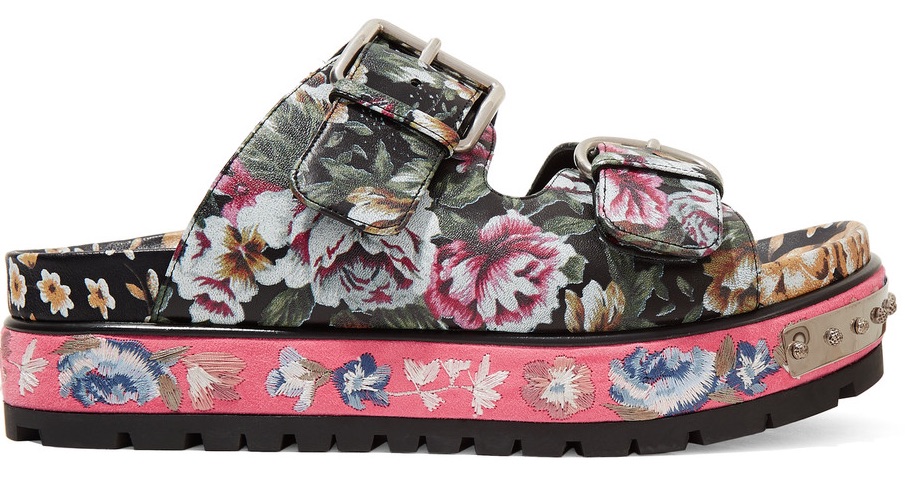
The Future of the Ugly Shoe: Where Do We Go From Here?
So, what does the future hold for the ugly shoe? Will it continue to dominate the fashion landscape, or will it eventually fade into obscurity? The answer, as with all things fashion, is uncertain. But one thing is clear: the ugly shoe has already left an indelible mark on the world of footwear. It has challenged our notions of beauty, redefined our relationship with comfort, and given us a new lens through which to view the world. And perhaps most importantly, it has reminded us that fashion is not just about looking good—it is about feeling good, about being true to ourselves, and about embracing the things that make us unique.
As we look to the future, one thing is certain: the ugly shoe is here to stay. Whether it’s the humble Crocs, the high-octane Triple S, or some yet-to-be-invented monstrosity of proportions, the ugly shoe will continue to challenge, inspire, and delight us. It will remind us that beauty is not a fixed concept but a fluid one, shaped by culture, context, and individual perspective. And it will continue to be a symbol of rebellion, of authenticity, and of the idea that sometimes, the most interesting ideas come from the fringes.
So, the next time you see a pair of ugly shoes, don’t turn up your nose. Instead, take a moment to appreciate them for what they are: a testament to the power of individuality, a celebration of comfort, and a middle finger to the tyranny of perfection. Because in a world that often feels increasingly homogenized, the ugly shoe is a reminder that sometimes, the most beautiful things are the ones that defy our expectations.


Leave a Comment