

In the age of pocket-sized marvels, where a smartphone is as ubiquitous as a wallet, the art of capturing the subtle gleam of a gemstone or the intricate filigree of a pendant has never been more accessible. Yet, despite the convenience, many jewelry enthusiasts find themselves staring at lackluster photos—images that fail to convey the sparkle, the weight, the very essence of what makes a piece of jewelry so captivating. The culprit? Often, it’s not the camera, but the canvas. Enter the humble white T-shirt—a tool as unexpected as it is effective in transforming your phone’s snapshots into something extraordinary.
At first glance, a plain white T-shirt might seem like an unlikely ally in the quest for photographic perfection. After all, we’re conditioned to associate white with minimalism, sterility, even boredom. But within its folds lies a secret weapon: a seamless, reflective backdrop that can elevate your jewelry photography from amateur to artisanal. The key isn’t just in the fabric itself, but in how you wield it—how you manipulate light, texture, and composition to coax out the hidden brilliance of your treasures. Let’s unravel the magic behind this unassuming garment and discover how it can help you capture jewelry that doesn’t just look good, but feels like a story waiting to be told.

The Alchemy of Light and Fabric: Why a White T-Shirt Works
Light is the lifeblood of photography, and a white T-shirt is its willing accomplice. Unlike glossy surfaces that create harsh reflections or dark fabrics that absorb light, a white T-shirt acts as a diffuser—a soft, even blanket that scatters light gently across your subject. This diffusion is crucial for jewelry photography, where the interplay of light and shadow can either reveal the depth of a gemstone’s facets or flatten its allure into a lifeless blob.
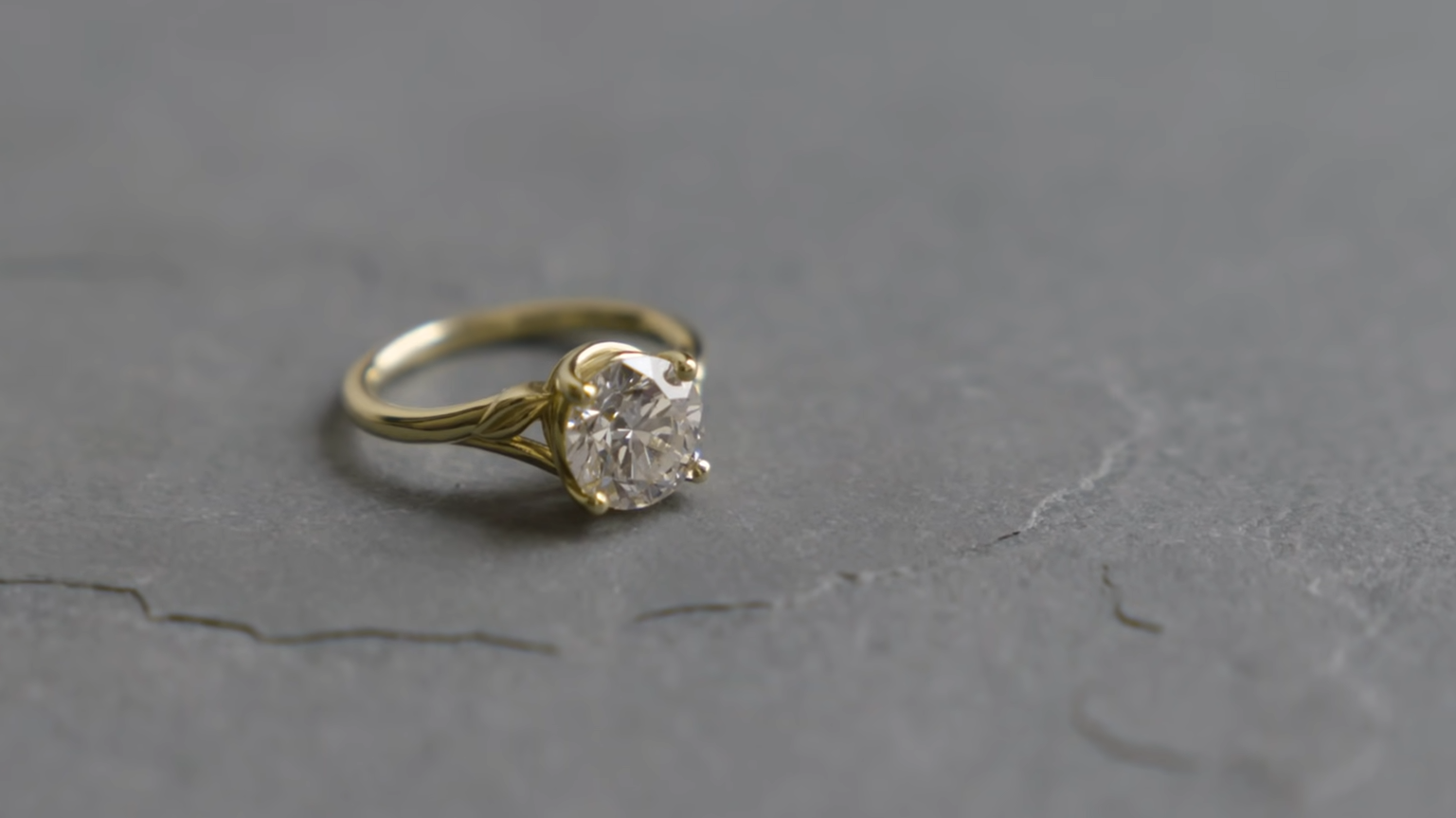
Consider the way light behaves on a diamond. A poorly lit diamond might appear dull, its fire and brilliance smothered under a blanket of overexposure or underexposure. But when draped over a white T-shirt, the light bounces back onto the stone from multiple angles, teasing out the subtle rainbows hidden within. The T-shirt’s texture—whether it’s the slight fuzz of cotton or the smoothness of jersey—adds a layer of complexity to the reflection, creating a backdrop that feels organic yet refined. It’s not just a surface; it’s a stage where your jewelry can shine.
Moreover, the white T-shirt’s neutrality ensures that your jewelry remains the undisputed star of the show. There’s no competition from competing colors or patterns, no visual noise to distract the eye. Instead, the viewer’s attention is drawn immediately to the intricate details—the way a ring catches the light, the way a necklace drapes, the way a bracelet’s clasp gleams. In a world where attention spans are fleeting, this simplicity is a superpower.

Setting the Stage: Crafting the Perfect Environment
Before you even think about arranging your jewelry, you need to curate the space around it. The white T-shirt isn’t just a backdrop; it’s part of a larger ecosystem of light, angles, and atmosphere. Start by choosing a location with ample natural light—near a window, perhaps, or on a balcony during the golden hours of dawn or dusk. Artificial lighting can work, but it often introduces unwanted color casts or harsh shadows, which a white T-shirt alone can’t fully mitigate.
Lay the T-shirt flat on a stable surface, smoothing out any wrinkles with your hands. The goal is to create a seamless, unbroken plane that mimics the infinity curve used in professional studios. If you’re photographing rings or small pendants, consider folding the T-shirt to create a gentle slope—this adds depth and prevents the jewelry from appearing as if it’s floating in a void. For larger pieces like bracelets or statement necklaces, a flat surface works best, allowing the T-shirt to serve as a pure, uninterrupted canvas.
Now, here’s where the magic happens: positioning your light source. If you’re using natural light, place your setup perpendicular to the window, ensuring that the light hits your jewelry at a 45-degree angle. This angle minimizes glare while maximizing the play of light across the metal and gemstones. If you’re working with artificial light, diffuse it first—place a piece of parchment paper or a thin white cloth over the light source to soften its intensity. The white T-shirt will do the rest, bouncing the light back onto your subject and filling in any shadows.
The Art of Arrangement: Composition and Context
Jewelry isn’t just an object; it’s an experience. It’s the way a ring feels on a finger, the way a necklace rests against a collarbone, the way a brooch adds a touch of whimsy to a lapel. Your photograph should evoke that sense of intimacy, that feeling of connection. This is where the white T-shirt becomes more than a backdrop—it becomes a narrative device.
For rings, drape the T-shirt over a small box or a stack of books to create a gentle incline. Place the ring near the top of the slope, allowing the fabric to cascade down like a waterfall. This not only adds visual interest but also gives the ring a sense of place. For necklaces, lay the T-shirt flat and arrange the chain in a loose, organic curve—think of the way a necklace naturally drapes when worn. Avoid stiff, geometric lines; instead, embrace the softness of the fabric to guide the viewer’s eye along the piece’s flow.
Don’t be afraid to incorporate other elements into the scene. A sprig of eucalyptus tucked beside a ring, a vintage book propped up behind a necklace, or a scattering of rose petals around a bracelet can add layers of meaning to your photograph. These details tell a story—one that transcends the mere depiction of an object and instead invites the viewer into a world where the jewelry is more than just adornment; it’s a character, a protagonist in a larger tale.
Mastering the Technical: Camera Settings and Post-Processing
Even with the perfect setup, your phone’s camera settings can make or break the shot. Start by shooting in RAW format if your phone allows it—this gives you greater flexibility in post-processing, allowing you to tweak exposure, white balance, and shadows without losing image quality. If RAW isn’t an option, ensure your phone’s HDR (High Dynamic Range) feature is enabled; this helps balance the bright highlights and deep shadows that are inevitable in jewelry photography.
Begin with a low ISO—100 or 200—to minimize noise, especially in close-up shots where details are paramount. Aperture is your next ally; a wider aperture (lower f-number, like f/1.8 or f/2.8) will create a shallow depth of field, blurring the background and drawing the viewer’s focus to the jewelry. However, be cautious—if your phone’s camera struggles with autofocus in low light, a narrower aperture (higher f-number, like f/8 or f/11) might yield sharper results. Experiment to find the sweet spot.
White balance is where the white T-shirt truly shines. Since the fabric reflects light so evenly, your phone’s auto white balance should have an easier time neutralizing color casts. If you’re shooting in natural light, set your white balance to “Daylight” or “Cloudy” to enhance the warmth of the scene. For artificial light, try “Tungsten” or “Fluorescent” modes to counteract any yellow or blue tints. In post-processing, you can fine-tune this further, but getting it right in-camera will save you hours of frustration later.
Once you’ve captured your shots, it’s time to refine them. Use editing software like Lightroom Mobile or Snapseed to adjust exposure, contrast, and saturation. Be subtle—jewelry photography thrives on realism, so avoid over-saturating colors or pushing shadows too dark. Instead, focus on enhancing the natural brilliance of the metal and gemstones. A slight increase in clarity or sharpness can make a world of difference, but resist the urge to overdo it; the goal is to let the jewelry speak for itself.
The Deeper Allure: Why We’re Fascinated by Jewelry Photography
There’s something primal about the way we’re drawn to jewelry in photographs. It’s not just the sparkle or the craftsmanship—it’s the promise of transformation. A ring isn’t just a piece of metal; it’s a symbol of commitment. A necklace isn’t just a chain; it’s a statement of identity. When we photograph jewelry, we’re not just documenting an object; we’re capturing a fragment of human desire, a tangible piece of the intangible—dreams, emotions, and aspirations.
The white T-shirt, in all its simplicity, plays a crucial role in this alchemy. It strips away the distractions, the noise, the clutter, and leaves us with the raw essence of the jewelry. In doing so, it mirrors our own fascination with purity and clarity—not just in images, but in life. We’re drawn to the uncluttered, the unadorned, the essential. And yet, within that simplicity lies infinite possibility. A white T-shirt, a smartphone, and a piece of jewelry become more than the sum of their parts; they become a portal to a world where beauty is not just seen, but felt.
So the next time you pick up your phone to photograph a cherished piece, don’t overlook the humble white T-shirt. Embrace it as your silent partner in this creative endeavor. Let it guide the light, shape the composition, and elevate your jewelry from mere object to a story waiting to be told. After all, the most captivating photographs aren’t just seen—they’re experienced.


Leave a Comment