

In the hushed glow of dawn, where sunlight spills through unadorned windows, a single leaf unfurls its emerald secrets. It’s not just a plant—it’s a silent architect, reshaping the air we breathe, the thoughts we think, and the very rhythm of our days. Biophilic design science has long whispered of nature’s power to heal, but what if one strategic plant placement could do more than soothe? What if it could rewire your brain, sharpen your focus, and transform a sterile room into a sanctuary of cognitive clarity? The answer lies not in a jungle of foliage, but in the deliberate art of positioning a single, humble plant where it matters most.
Imagine walking into a room where the air hums with vitality, where your mind feels unshackled from the weight of modern monotony. This isn’t a futuristic fantasy—it’s the promise of biophilic design, a science-backed revolution in how we interact with our environments. And at its core? A deceptively simple act: placing one plant in one perfect spot. The implications stretch far beyond aesthetics; they delve into neuroscience, psychology, and the ancient bond between humans and nature. Let’s uncover how this one move can change everything.

The Hidden Synergy Between Plants and Human Cognition
Our brains are wired to respond to nature’s cues, a legacy of millennia spent in verdant landscapes. When we reintroduce plants into our built environments, we’re not just decorating—we’re tapping into an evolutionary dialogue. Studies in environmental psychology reveal that even a single plant can trigger a cascade of cognitive benefits. The presence of foliage reduces mental fatigue, enhances creativity, and sharpens problem-solving skills. But here’s the twist: the placement of that plant is the conductor of this symphony.
Consider the prefrontal cortex, the brain’s command center for focus and decision-making. When a plant is positioned within your direct line of sight—yet not so close it becomes a distraction—it subtly primes your mind for clarity. This isn’t mere speculation; functional MRI scans show increased activity in regions associated with attention when participants are exposed to greenery. The key? The plant must be visible without demanding your full attention. It’s the difference between a billboard screaming for your focus and a whisper that guides it.
Now, let’s talk about air. The average indoor space is a cocktail of volatile organic compounds (VOCs) from synthetic materials, cleaning agents, and even our own breath. Plants like the Spathiphyllum (peace lily) or Chlorophytum comosum (spider plant) act as living air purifiers, filtering toxins like benzene and formaldehyde. But here’s the game-changer: placing a plant near a ventilation source—like a window or HVAC vent—amplifies its detoxifying prowess. The airflow carries the purified air directly to you, creating a microclimate of rejuvenation. One plant, one strategic spot, and suddenly, the air you breathe is a catalyst for mental acuity.
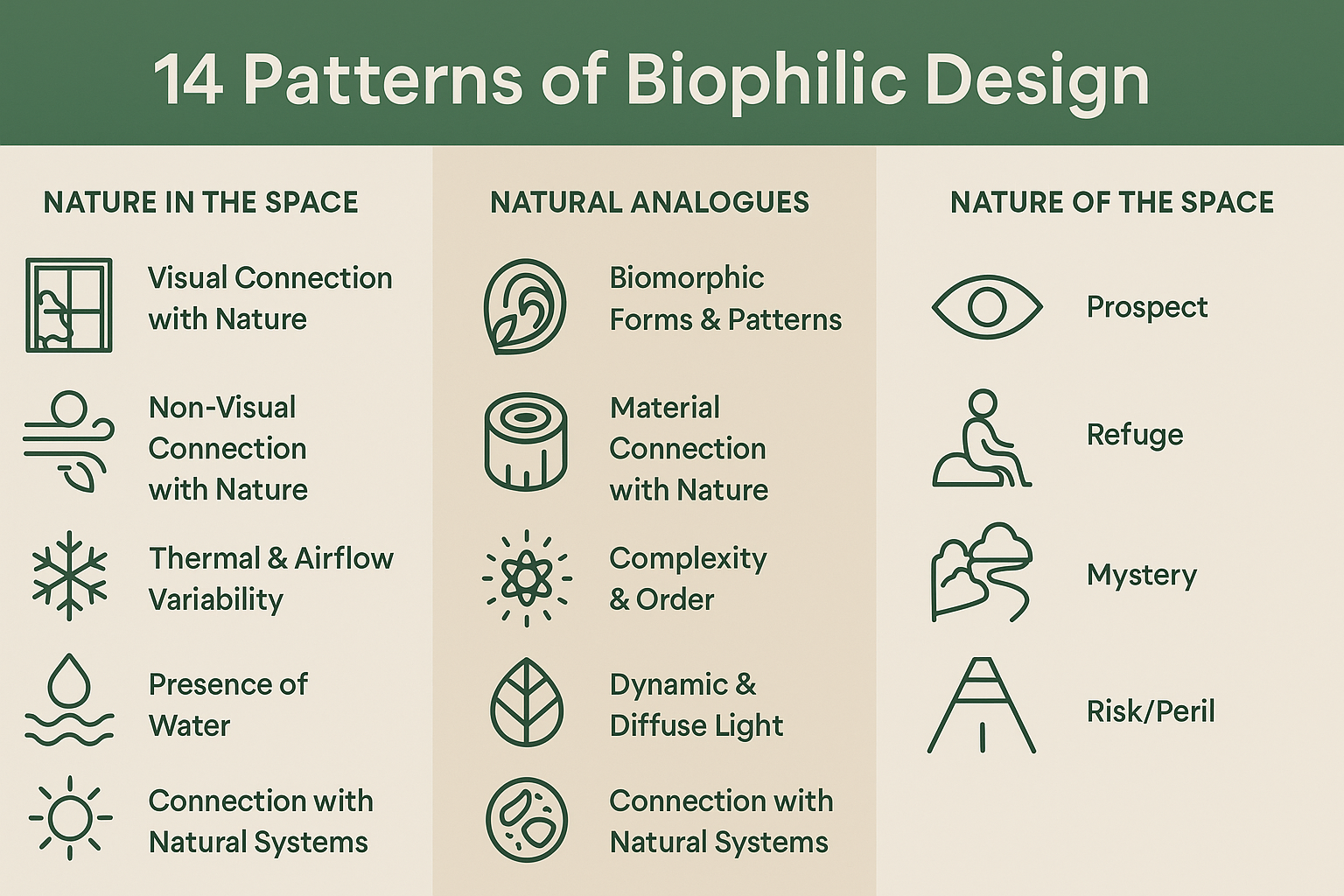
The Geometry of Attention: Where to Place Your Plant for Maximum Impact
The science of biophilic design isn’t about scattering greenery haphazardly—it’s about orchestrating a spatial dialogue between you and the plant. The most transformative placements follow a few counterintuitive rules. First, avoid the “focal point” trap. Placing a plant directly in the center of your field of vision can create visual noise, overwhelming your brain. Instead, position it slightly off-center, where your peripheral vision can register its presence without distraction.
Next, consider the line of sight principle. In a workspace, for example, the ideal spot is within 10 feet of where you spend the most time—whether that’s your desk, bed, or favorite reading chair. The plant should be visible when you’re in your primary position but not so dominant that it hijacks your attention. Think of it as a silent collaborator, not a centerpiece. For those who work remotely, a plant placed on a shelf to the left or right of your monitor can subtly enhance focus without demanding cognitive resources.
Lighting is another unsung hero in this equation. Plants thrive on light, but so do humans—our circadian rhythms depend on it. Positioning a plant near a window ensures it receives the sunlight it needs to flourish while also bathing your space in natural light. This dual benefit is crucial: the plant purifies the air, and the sunlight regulates your sleep-wake cycle, reducing the grogginess of artificial lighting. The result? A space that doesn’t just look alive—it feels alive.
The Neuroaesthetic Edge: How Plants Rewire Your Brain’s Reward System
Beyond the tangible benefits of cleaner air and reduced stress, plants engage our brain’s reward system in ways few artificial elements can replicate. The sight of greenery triggers the release of dopamine, the neurotransmitter associated with pleasure and motivation. But here’s the fascinating part: the effect is most potent when the plant is in a state of healthy growth. A wilting plant, no matter how well-placed, can have the opposite effect, subconsciously signaling decay.
This is where the science of neuroaesthetics comes into play. Neuroaesthetics studies how our brains respond to beauty, and plants embody a unique form of it—dynamic symmetry. The irregular yet harmonious patterns of leaves, the way they catch the light, the gentle sway of stems—all of these elements create a visual rhythm that our brains find inherently pleasing. When you place a plant in a spot where its movement is subtly visible (like near a breeze from an open window), you’re essentially giving your brain a low-stakes, ever-changing art exhibit to enjoy. This passive engagement keeps your mind alert without fatigue.
For those in high-stress environments, such as offices or hospitals, the placement of a plant can be a lifeline. Research from the Journal of Environmental Psychology found that patients in hospital rooms with plants reported lower levels of pain and anxiety than those in rooms without. The difference? The plants were placed within the patient’s line of sight but not directly in their field of vision. This subtle positioning allowed the brain to register the presence of nature without the cognitive load of processing it as a primary focus. It’s a masterclass in biophilic design: less is more, but the placement is everything.

From Theory to Transformation: Practical Steps to Implement the One-Plant Rule
Ready to put this science into action? Start with a plant that’s low-maintenance yet high-impact. Snake plants (Sansevieria) and ZZ plants (Zamioculcas zamiifolia) are champions in this regard—they thrive in low light, purify the air, and require minimal care. Next, identify your primary space. Is it your desk? Your bedside table? Your kitchen counter? Once you’ve chosen the spot, measure the distance from your eyes when you’re in your usual position. The plant should be close enough to register in your peripheral vision but not so close that it becomes a visual anchor.
Now, consider the plant’s form. Tall, slender plants like snake plants or fiddle leaf figs work well in corners or beside furniture, where their height draws the eye upward. Bushier plants, like peace lilies or pothos, are ideal for shelves or tables, where their lush foliage can spill over edges. The key is to create a sense of balance—neither too sparse nor too crowded. If you’re working with a small space, a hanging plant can be a game-changer, placing greenery at eye level without taking up floor space.
Don’t forget the power of scent. While not all plants are fragrant, those that are—like jasmine or lavender—can add another layer of sensory engagement. Place a small potted lavender on your nightstand, and you’ll drift off to sleep with its calming aroma, while also benefiting from its air-purifying properties. The combination of visual and olfactory cues creates a multi-sensory experience that amplifies the plant’s cognitive benefits.
The Ripple Effect: How One Plant Can Transform an Entire Space
The magic of biophilic design lies in its scalability. What starts as a single plant in one room can ripple outward, transforming your entire relationship with your space. In offices, a strategically placed plant on a manager’s desk can subtly influence the mood of an entire team. In homes, a plant in the living room can set the tone for relaxation and connection. The key is consistency—once you experience the benefits of one well-placed plant, you’ll start to see opportunities everywhere.
Consider the concept of biophilic adjacency, where the presence of one natural element encourages the addition of others. A plant near a window might inspire you to open the curtains wider, letting in more daylight. That daylight might lead you to rearrange your furniture to maximize its warmth. Before you know it, your entire space feels more alive—not because you’ve added more plants, but because you’ve created a dialogue between nature and your daily routine.
This isn’t just about aesthetics; it’s about creating a habitat that supports your well-being. In a world where digital distractions and artificial environments dominate, the act of placing a single plant in the right spot is a radical act of self-care. It’s a declaration that you deserve spaces that nurture your mind, body, and spirit. And the best part? It costs nothing more than a little intention and a willingness to experiment.
So go ahead—choose your plant, find its perfect spot, and watch as the room around it begins to change. Not just in appearance, but in energy. In focus. In clarity. One leaf, one breath, one moment at a time.


Leave a Comment