

The fur debate has always been a tempest of contradictions—luxury draped in controversy, opulence tangled in ethics. Once, the argument was simple: fur was glamour, fur was status, fur was the unspoken price of beauty. But today, as sustainability whispers through the corridors of fashion and animal rights activists roar in the streets, the narrative has fractured. Enter “ethical fur,” a term that slithers into the conversation like a serpent in silk, promising redemption for an industry steeped in blood and guilt. But is it a genuine evolution or just another masterful illusion, a gilded cage where the cage itself is painted gold?
Imagine fur as a river. Once, it flowed freely—untamed, wild, a force of nature. Then came the dams: trappers, farmers, designers. The river was dammed, its currents redirected into pools of controlled chaos. Now, “ethical fur” claims to be a tributary, purer, cleaner, but is it still the same river? Or has it merely learned to wear a mask of greenwashing, its waters still murky beneath the surface?

The Illusion of Ethical Sourcing: Can Trapping Ever Be Humane?
At the heart of the “ethical fur” argument lies the myth of humane trapping. Proponents of regulated fur farming and certified trapping programs argue that modern standards ensure animals are dispatched swiftly, without suffering. But the reality is far more nuanced—and far more brutal. Trapping, even under the guise of “best practices,” is an act of violence disguised as stewardship. The snare, no matter how “humane,” is still a mechanism of death, and the idea that an animal’s suffering can be neatly quantified into a scorecard of ethics is a fantasy as flimsy as the fur itself.
Consider the paradox: we celebrate the intelligence of animals—foxes outsmarting hunters, beavers engineering entire ecosystems—yet we reduce their lives to a commodity, their deaths to a transaction. The fur industry’s “ethical” certifications, like the American Veterinary Medical Association’s guidelines or the Fur Council of Canada’s standards, are not acts of benevolence. They are damage control, a way to sanitize an industry that has never been clean. The very notion that trapping can be ethical is like calling a wolf’s howl a symphony—it ignores the raw, untamed nature of the act itself.
And what of the farms? Even in the most “humane” facilities, animals are bred for slaughter, their lives confined to cages barely larger than their bodies. The idea that a mink or a fox can live a dignified life in such conditions is a cruel joke. Ethics, in this context, is a word stretched thin over a foundation of suffering, its edges fraying with every breath of the caged creatures.
Faux Fur: The Wolf in Sheep’s Clothing
If “ethical fur” is a serpent, then faux fur is its chameleon cousin—shapeshifting to blend into the landscape of sustainability, only to reveal its true form upon closer inspection. Synthetic alternatives, marketed as the savior of the fur debate, are not without their own sins. Polyester, acrylic, and other petroleum-based fibers shed microplastics with every wash, poisoning waterways and marine life. The irony is exquisite: the very materials meant to replace fur are themselves a silent killer, their environmental toll as insidious as the fur trade’s ethical failings.
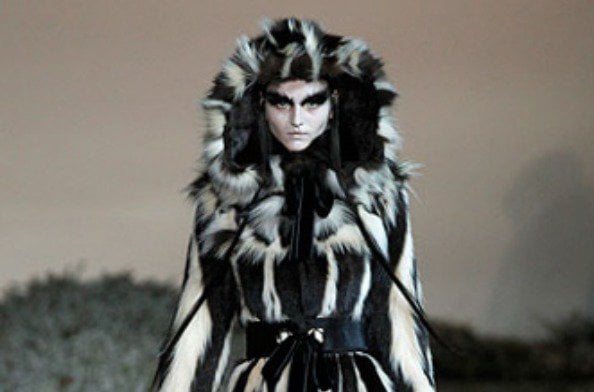
Then there’s the question of realism. Modern faux fur has become so convincing that it blurs the line between imitation and authenticity. But is this progress, or just another layer of deception? When a faux fur coat is indistinguishable from the real thing, does it matter which is which? The answer lies not in the material, but in the intention. Faux fur, when made from sustainable sources like recycled plastics or plant-based fibers, can be a step forward. But when it’s just another fast-fashion Band-Aid, it’s no better than the fur it seeks to replace.
The allure of faux fur is undeniable—it offers the aesthetic of luxury without the ethical baggage. Yet, its dark underbelly is the same as the fur industry’s: a cycle of consumption, waste, and environmental degradation. The only difference is the costume it wears.
The Psychology of Fur: Why We Still Crave It
To understand the fur debate, we must first understand the psychology behind our obsession with it. Fur is not just a material; it’s a symbol. It represents power, status, and primal connection to nature. The warmth of fur is not merely physical—it’s emotional, a tactile embrace of the wild. This is why, despite the ethical quandaries, fur persists. It taps into something ancient, something that whispers of survival and dominance.
But this psychology is also its Achilles’ heel. The fur industry preys on our primal instincts, marketing its products as not just garments, but talismans of status. The irony is that the more we associate fur with cruelty, the more we cling to it—not out of defiance, but out of a twisted sense of ownership. We want what we cannot have, not because it’s ethical, but because it’s forbidden. This is the paradox of luxury: the more it is condemned, the more desirable it becomes.
And yet, the tide is turning. The rise of veganism, the growing awareness of animal rights, and the push for sustainable fashion have created a cultural shift. Fur is no longer the unassailable symbol of wealth it once was. Instead, it has become a relic of a bygone era, a dinosaur in a world that is rapidly evolving. The question is no longer whether fur is ethical, but whether it is even relevant in a society that values compassion over tradition.
The Future of Fur: A Post-Ethical World?
What does the future hold for fur? The industry is scrambling to rebrand itself, to recast its narrative in the language of sustainability and ethics. But these efforts are like slapping a fresh coat of paint on a rotting house. The foundation is still cracked, the walls still crumbling. True change will not come from within the industry, but from outside it—from consumers who refuse to participate in the cycle of cruelty, from designers who reject fur in favor of innovation, from activists who demand accountability.
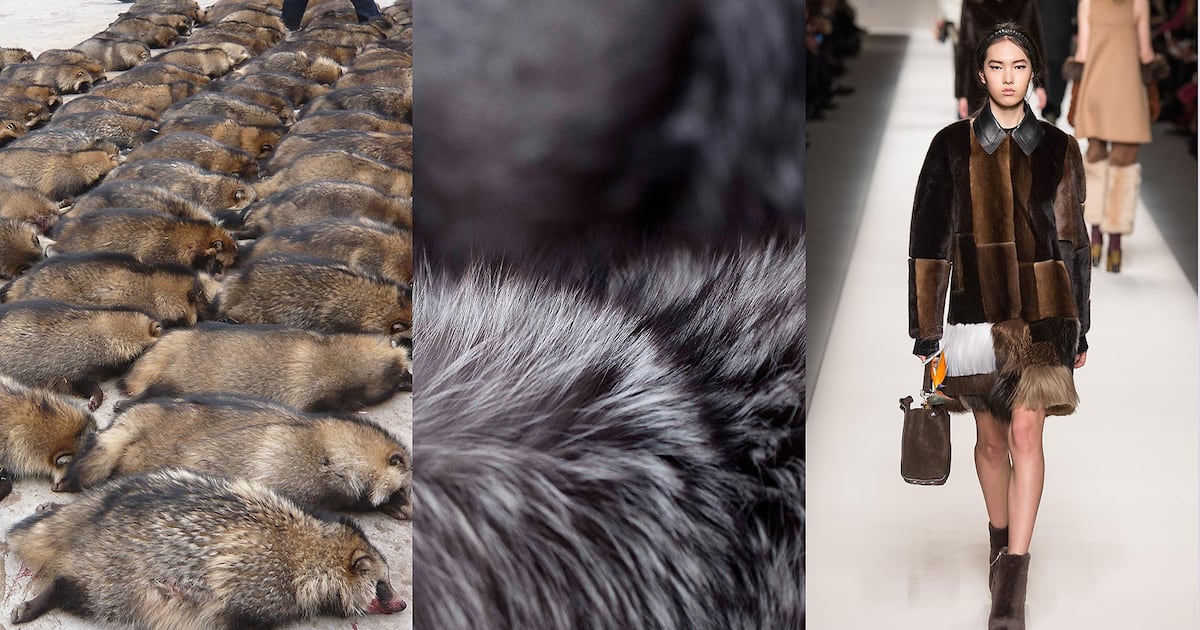
The fur debate is no longer just about fur. It’s about the soul of fashion itself. Can an industry built on exploitation ever truly evolve? Or is it doomed to repeat its sins, forever chasing the illusion of ethics while its hands remain stained? The answer lies not in the materials we wear, but in the values we uphold. The future of fashion is not fur, faux or real. It is innovation, compassion, and a refusal to compromise on either.
So, is “ethical fur” still a lie? The answer is a resounding yes. But the real question is this: when will we stop believing the lies?


Leave a Comment