

The side-view mirror, that stalwart sentinel of the road, has stood guard over drivers for over a century. But in the electric vehicle revolution, it’s facing an existential threat—not from a rogue AI or a sudden meteor strike, but from the relentless march of innovation. What if I told you that the humble side-view mirror might soon be as obsolete as a floppy disk in a cloud computing world? Buckle up, because the future of driving is about to get a whole lot sleeker—and a lot less cluttered.
The Aerodynamic Drag: When Every Watt Counts
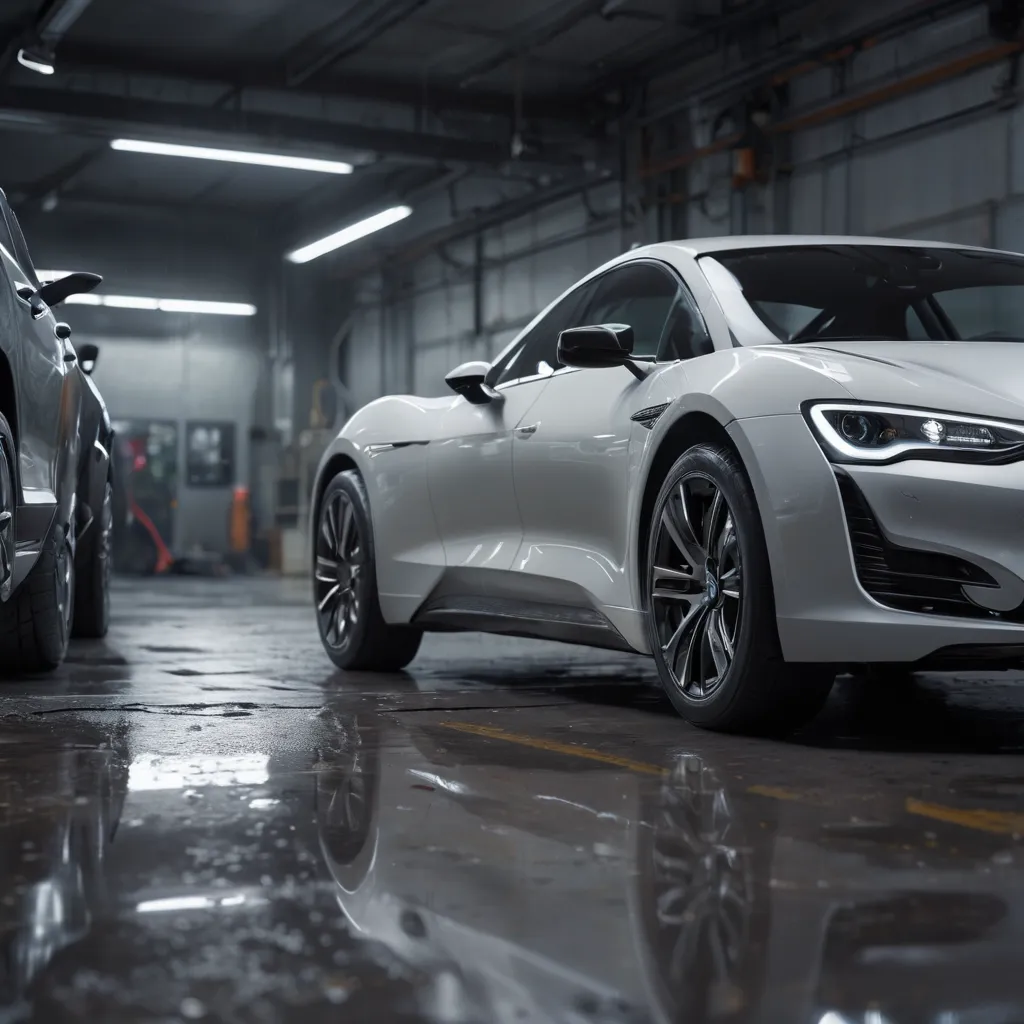
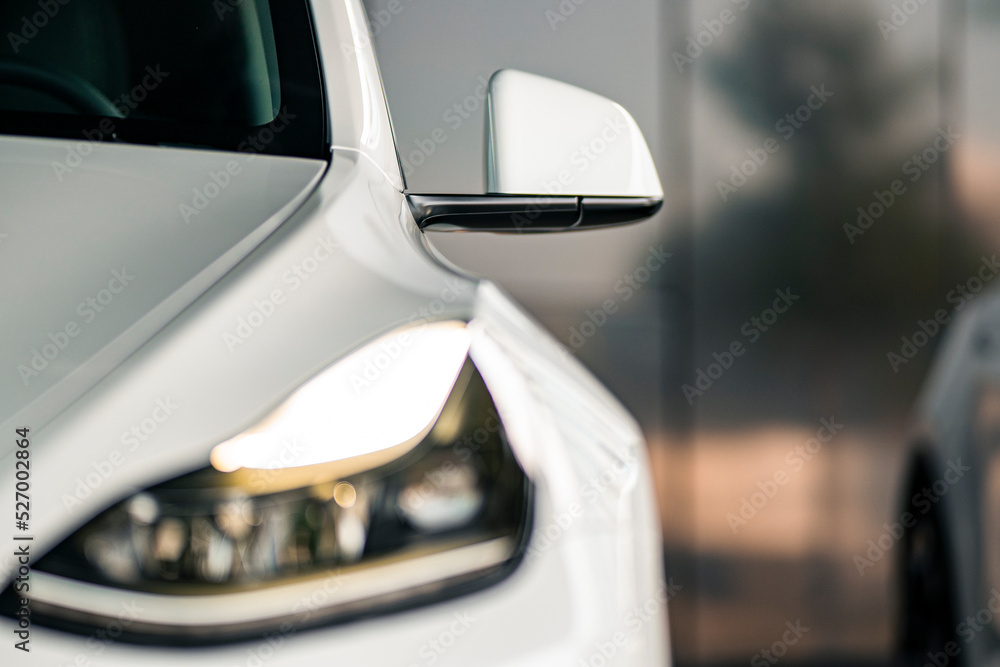
Picture this: a sleek, futuristic electric vehicle slicing through the air like a knife through warm butter. Now imagine that knife suddenly sprouting a pair of barnacles—those are your side-view mirrors, clinging to the sides like barnacles on a ship’s hull. Aerodynamically, they’re a nightmare. Every protrusion on a car’s surface creates drag, and drag is the arch-nemesis of efficiency. For an internal combustion engine (ICE) vehicle, the penalty is a minor annoyance. But for an EV, where every watt of power is sacred, those mirrors are like tiny, inefficient anchors dragging down range and performance.
Studies show that side-view mirrors can increase drag by up to 5%, which translates to a noticeable reduction in range—sometimes as much as 10 miles on a full charge. In a world where EV owners obsess over every mile like a hiker counting calories, that’s a dealbreaker. Manufacturers are racing to shed every gram of inefficiency, and the side-view mirror is squarely in the crosshairs. The solution? Ditch them entirely and rely on cameras and digital displays—a move that’s already gaining traction in the industry.
The Camera Revolution: Seeing the Unseen
So, if we’re not using mirrors, how do we see what’s happening behind us? Enter the camera-based monitoring system (CMS), a technological marvel that’s turning the side-view mirror into a relic of the past. These systems use high-definition cameras mounted on the vehicle’s exterior, feeding real-time images to digital displays inside the cabin. The result? A crystal-clear, distortion-free view of your surroundings, with none of the blind spots that plague traditional mirrors.
But it’s not just about clarity—it’s about customization. Want a wider field of view? Adjust the camera angle. Need to see further back? Zoom in with a touch of a button. The flexibility is unparalleled. And let’s not forget the safety benefits. Cameras can be paired with sensors to detect objects in your blind spot, alerting you with a gentle chime or a visual warning. It’s like having a co-pilot who never blinks, never gets distracted, and never complains about the heat.
Of course, there’s a learning curve. Drivers accustomed to the tactile feedback of a physical mirror might feel a bit disoriented at first. But as with any new technology, familiarity breeds comfort. Within a few drives, the transition becomes second nature. And for those who miss the tactile reassurance of a mirror, some systems even offer haptic feedback—vibrations that mimic the sensation of glancing at a traditional mirror.
The Regulatory Hurdle: Breaking the Mirror Habit
If the technology is so superior, why aren’t all cars ditching mirrors tomorrow? The answer lies in regulation—and bureaucracy moves at the speed of a sloth on a lazy Sunday. Many countries still mandate the use of side-view mirrors, citing safety concerns and the need for standardized equipment. The United Nations Economic Commission for Europe (UNECE) is one such body, and its regulations have long required mirrors on all vehicles. But even here, change is afoot.
In 2021, the UNECE updated its regulations to allow camera-based monitoring systems as an alternative to traditional mirrors. It’s a small step, but a significant one. Other regions, including parts of the United States and Asia, are following suit. The writing is on the wall: the side-view mirror’s days are numbered. The only question is how quickly the automotive industry—and the regulators who govern it—will embrace the inevitable.
For now, manufacturers are navigating a patchwork of rules. Some, like Tesla and Lucid, have already adopted camera systems in certain models, while others tread cautiously, offering mirrors as an option alongside cameras. But as EVs become the dominant force on the roads, the pressure to innovate will only grow. The side-view mirror, once a non-negotiable feature, is on the brink of becoming a quaint anachronism.
The Aesthetic Advantage: Form Meets Function
Beyond efficiency and safety, there’s another compelling reason to bid farewell to side-view mirrors: sheer style. Have you ever seen a supercar with bulky mirrors? Of course not. The most aerodynamic, visually stunning vehicles on the planet rely on cameras or streamlined mirror replacements to maintain their sleek profiles. The side-view mirror is a visual disruptor, an eyesore that breaks the clean lines of a modern EV.
Take the Tesla Model S, for example. Its minimalist design is a masterclass in aerodynamics, with every curve and contour serving a purpose. The absence of mirrors contributes to its futuristic aesthetic, making it look like something plucked straight from a sci-fi movie. The same goes for the Lucid Air, whose smooth, uninterrupted bodywork is a testament to the power of uncluttered design.
But it’s not just about looks—it’s about the emotional connection drivers feel with their vehicles. A car is more than just a machine; it’s an extension of the driver’s personality. And for many, that personality is sleek, modern, and forward-thinking. The side-view mirror, with its clunky, utilitarian design, feels increasingly out of place in this brave new world. It’s time to let it go.
The Psychological Shift: Trusting the New Guard
Of course, no technological leap is without its skeptics. The side-view mirror has been a trusted companion for generations, and the idea of replacing it with a digital display might feel unsettling to some. What if the screen freezes? What if the camera malfunctions? These are valid concerns, but they’re also the same fears people had about touchscreens a decade ago—and now, we can’t imagine life without them.
The key to overcoming this resistance lies in trust. Manufacturers are investing heavily in redundancy, ensuring that if one camera fails, another takes over. They’re also designing systems with fail-safes, like audible alerts or automatic switching to a backup view. And let’s not forget the role of software updates. As with any digital system, the performance of camera-based mirrors will only improve over time, thanks to the magic of over-the-air updates.
It’s also worth noting that many drivers already rely on cameras for parking and rear visibility. The transition to full camera-based systems is simply an extension of a trend that’s already underway. Once people experience the clarity and convenience of digital displays, the nostalgia for physical mirrors will fade like a bad dream.
The Road Ahead: A Mirrorless Future
The side-view mirror is on its last lap. The writing is on the wall, the die is cast, and the writing is in digital ink. As electric vehicles continue to dominate the automotive landscape, the inefficiencies of traditional mirrors will become impossible to ignore. The future belongs to camera-based systems—sleek, efficient, and endlessly adaptable.
Of course, change is never easy. There will be resistance, skepticism, and no doubt a few humorous memes about drivers struggling to parallel park without a mirror. But progress waits for no one. The side-view mirror served its purpose admirably, but its time has come and gone. The next chapter of automotive history will be written by those who dare to innovate—and those who embrace the mirrorless revolution.
So, the next time you slide into an electric vehicle and see a sleek digital display where a mirror once was, take a moment to appreciate the irony. The humble side-view mirror, once a symbol of automotive tradition, is being sacrificed on the altar of progress. And in its place? A future that’s faster, safer, and infinitely more stylish.


Leave a Comment