

Ever stared at a blank workbench on a lazy Saturday morning, wondering how to transform a simple strip of sterling silver into a dazzling crushed stone inlay ring? The challenge isn’t just in the crafting—it’s in the patience, the precision, and the sheer joy of watching raw materials evolve into wearable art. What if you could craft a stunning piece in a single weekend, using nothing more than crushed stone, CA glue, and a bit of elbow grease? Let’s dive into the world of inlay ring creation, where every grain of sand tells a story and every glint of light reflects your dedication.
The Allure of Crushed Stone Inlay Rings: Why This Craft Captivates
There’s something almost alchemical about crushed stone inlay rings. They’re not just jewelry; they’re miniature landscapes, frozen moments of earth’s raw beauty. The allure lies in the contrast—sleek metal frames cradling fragments of turquoise, calcite, or even volcanic rock, each piece meticulously arranged to catch the light. Unlike traditional gemstone settings, inlay work celebrates imperfection. Jagged edges, varied hues, and organic patterns make every ring a one-of-a-kind masterpiece. But here’s the kicker: achieving that flawless finish requires more than just artistic vision. It demands a deep understanding of materials and technique. Will your crushed stone hold fast under the pressure of daily wear, or will the glue betray you when the ring takes its first tumble?
Gathering Your Arsenal: Tools and Materials for the Weekend Warrior
Before you dive into the creative fray, arm yourself with the right tools. A well-stocked workshop is your best ally. Start with the basics: a jeweler’s saw for cutting your metal band, a set of needle files for refining edges, and a rotary tool with diamond burrs for carving out the inlay channel. Don’t skimp on the crushed stone—opt for finely crushed pieces that fit snugly into your design. CA glue (cyanoacrylate) is your invisible stitch, bonding stone to metal with a strength that rivals solder. For sanding, a progression of grits—from 400 to 2000—will transform a rough-hewn mess into a silky-smooth finish. And let’s not forget safety: a respirator for stone dust, safety goggles, and a well-ventilated workspace are non-negotiable. One misstep with a loose grain of crushed turquoise could send it flying into your eye—or worse, your lungs.
Designing Your Masterpiece: From Sketch to Reality
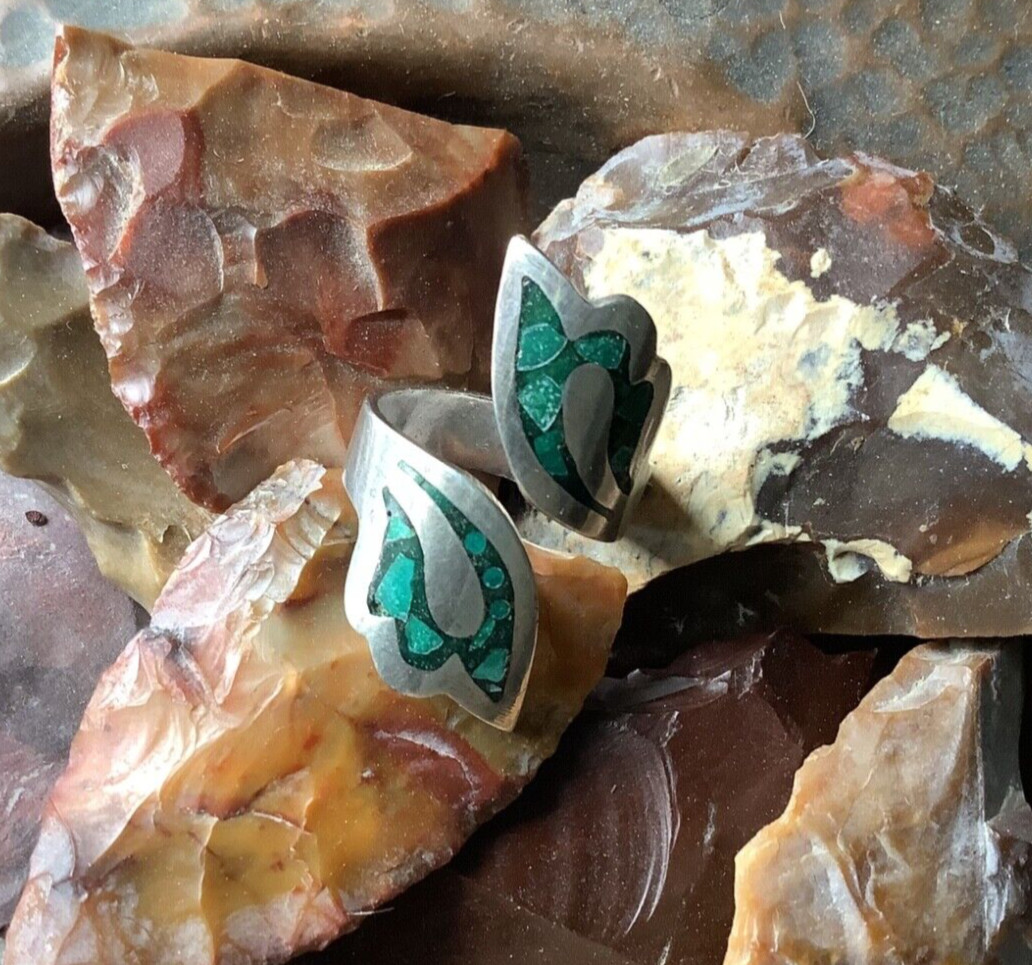
Every great ring begins with a vision. Before you touch metal or stone, sketch your design. Will it be a bold, geometric pattern or a freeform organic swirl? Consider the flow of the crushed stone—how it will catch the light, how it will feel against the wearer’s skin. Transfer your sketch to the metal band using a scribe or permanent marker. Precision here saves heartache later. If you’re feeling adventurous, experiment with mixed media: layer turquoise with orange calcite for a sunburst effect, or embed tiny flecks of gold leaf for a touch of opulence. The key is balance. Too much crushed stone, and your ring risks looking cluttered; too little, and it loses its impact. Think of it like composing a symphony—each element must play its part in harmony.
The Art of Channel Cutting: Carving Your Story into Metal
Now, the moment of truth: cutting the channel for your inlay. This is where precision meets patience. Use your jeweler’s saw to carefully follow your marked lines, ensuring the channel is deep enough to hold the crushed stone but not so deep that it weakens the band. A rotary tool with a fine diamond burr will help you refine the edges, creating a snug fit for each grain. Here’s a pro tip: test the depth of your channel by dry-fitting a few crushed stones. They should sit flush with the metal surface, neither protruding nor sunken. If they’re too loose, your ring will lose its elegance; if too tight, you risk cracking the stone during the gluing process. The channel is the foundation of your ring’s character—treat it with the reverence it deserves.
Glue Like a Pro: CA Adhesive and the Secret to Unbreakable Bonds
CA glue, or cyanoacrylate, is the unsung hero of inlay work. It bonds stone to metal with a strength that defies its unassuming appearance. But using it effectively is an art form. Start by cleaning your channel and crushed stones with acetone to remove any oils or debris. Apply a thin layer of CA glue to the channel, then carefully place your stones, one by one. Use a toothpick to nudge them into position, ensuring they’re snug and level. For extra security, a drop of accelerator can speed up the curing process, but be cautious—too much can cause the glue to bubble or discolor the stone. Once all stones are in place, let the glue cure for at least 24 hours. Rushing this step is a recipe for disaster; a loose stone is a failed ring.

The Sanding Odyssey: From Rough to Radiant
If the gluing process is the heart of inlay ring creation, sanding is the soul. This is where your ring transitions from a rough prototype to a gleaming treasure. Start with a coarse grit—400 or 600—to level the stones and remove any excess glue. Work methodically, moving in circular motions to avoid creating uneven grooves. Gradually progress to finer grits: 800, 1000, 1500, and finally 2000. Each step refines the surface, smoothing out imperfections and revealing the true beauty of your crushed stone. For the final polish, a rotary tool with a felt buffing wheel and polishing compound will bring out a mirror-like finish. But beware the dreaded “sanding haze”—a cloudy film that can dull your ring’s sparkle. Combat it with a quick wipe of metal polish and a soft cloth. Patience is your greatest ally here; one slip of the hand could send you back to square one.
Finishing Touches: Sealing, Polishing, and the Final Reveal
The last steps are where your ring truly comes to life. After sanding, clean the ring thoroughly to remove any residual dust or polishing compound. A quick ultrasonic bath or a soak in warm, soapy water will do the trick. Now, it’s time to seal the deal—literally. Apply a thin layer of resin or jewelry sealer to protect the crushed stone and glue from moisture and wear. This step is crucial; without it, your ring could succumb to the elements over time. Once the sealer is dry, give the entire piece a final polish with a high-quality jewelry cloth. The transformation is staggering. What was once a humble strip of metal and a pile of crushed stones is now a dazzling, wearable work of art. Hold it up to the light and admire your handiwork. Every scratch, every carefully placed grain of stone tells a story of dedication and craftsmanship.
Troubleshooting the Unexpected: When Things Go Off the Rails
Even the most meticulous crafters encounter hiccups. Maybe a stone popped loose during sanding, or the CA glue left unsightly residue. Don’t panic. Loose stones can often be re-glued with a dab of fresh CA adhesive, provided the channel is clean and dry. If the glue has discolored the stone, a gentle wipe with acetone (applied sparingly) might restore its vibrancy. For stubborn haze, a trip to the jeweler’s polishing wheel with a finer compound can work wonders. And if all else fails? Embrace the imperfection. Some of the most captivating pieces of art are born from happy accidents. The key is to learn from each misstep and let it fuel your next creation.

As the sun sets on your weekend of creation, step back and admire what you’ve accomplished. You’ve taken raw materials and, through sheer determination and skill, transformed them into something extraordinary. The crushed stone inlay ring you’ve crafted isn’t just jewelry—it’s a testament to your patience, your creativity, and your willingness to embrace the challenge. Whether it’s a gift for a loved one or a piece to adorn your own hand, it carries with it the spirit of your dedication. So, the next time you find yourself staring at a blank workbench, remember: the magic isn’t in the tools or the materials, but in the hands that shape them. Now, go forth and create something unforgettable.


Leave a Comment