

In the realm of interior design, few tricks wield as much transformative power as the hidden doorway. This architectural sleight of hand doesn’t just conceal an entrance—it redefines spatial perception, turning cramped corridors into expansive vistas and modest rooms into grand chambers. The hidden doorway trick is more than a novelty; it’s a masterclass in optical illusion, blending functionality with artistry to create environments that feel infinitely larger than their physical dimensions. Whether you’re renovating a cozy apartment or designing a sprawling estate, understanding the nuances of this technique can elevate your space from ordinary to extraordinary.
The allure of hidden doorways lies in their ability to dissolve boundaries. By seamlessly integrating an entrance into walls, bookshelves, or even mirrors, you trick the eye into overlooking the transition between rooms. This psychological sleight of hand leverages the brain’s tendency to fill in gaps, making spaces feel uninterrupted and fluid. The result? A room that breathes, where the eye glides effortlessly from one area to another without the jarring interruption of a traditional door frame. But how exactly does this work, and what are the secrets behind crafting a hidden doorway that truly transforms a space?
The Psychology of Space: Why Hidden Doorways Work
Human perception is a fickle thing. Our brains are wired to interpret depth, distance, and scale based on subtle cues—cues that hidden doorways deliberately manipulate. When a doorway is concealed within a wall panel, bookshelf, or even a piece of artwork, the mind registers it as part of the surrounding structure rather than an intrusion. This phenomenon, known as perceptual continuity, tricks the eye into perceiving a seamless flow between rooms, effectively erasing the visual weight of an entrance.
Consider the difference between a standard door and a hidden one. A traditional door, with its hinges, frame, and often stark color contrast, acts as a visual anchor—an immovable object that the eye latches onto. In contrast, a hidden doorway dissolves into its surroundings, becoming nearly invisible. The brain, left without a clear point of focus, defaults to assuming the space extends beyond what’s immediately visible. This psychological trick is the cornerstone of making a room feel larger; it’s not about adding square footage, but about redefining how that footage is perceived.
Moreover, hidden doorways tap into the human fascination with secrets and discovery. There’s an undeniable thrill in stumbling upon a concealed passage, a feature that adds layers of intrigue to a home. This emotional engagement further enhances the perception of space, as the mind becomes more invested in exploring and interpreting the environment. It’s a subtle yet powerful way to make a room feel not just bigger, but more dynamic and alive.
Types of Hidden Doorways: From Subtle to Spectacular
The beauty of hidden doorways lies in their versatility. They can be as understated or as extravagant as your design ambitions dictate, each type offering unique advantages depending on the space and aesthetic you’re aiming for. Here’s a breakdown of the most compelling styles, each with its own set of possibilities and challenges.
1. Bookshelf Doorways: The Classic Concealment
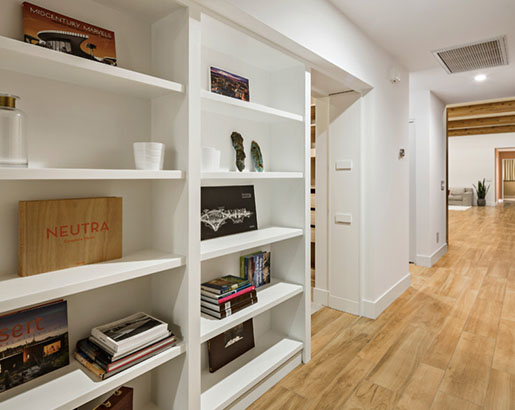
Few hidden doorway styles evoke the same sense of timeless elegance as the bookshelf doorway. Popularized by everything from medieval castles to modern luxury homes, this design seamlessly integrates an entrance into a floor-to-ceiling bookshelf. The trick lies in the mechanics: the bookshelf itself pivots or slides to reveal the hidden passage behind. When closed, it appears as a standard shelving unit, its contents obscuring the doorway entirely.
The appeal of bookshelf doorways extends beyond their visual charm. They’re practical, too—ideal for home libraries, offices, or even secret pantries. The key to a successful bookshelf doorway is balance: the bookshelf must be sturdy enough to support its weight while remaining easy to maneuver. Hidden hinges and a counterweight system can ensure smooth operation, while the arrangement of books can be curated to enhance the illusion of a solid wall.
For a modern twist, consider a minimalist bookshelf with floating shelves and a monochromatic color scheme. The lack of visual clutter makes the doorway even harder to detect, further enhancing the room’s perceived spaciousness. Alternatively, a vintage-inspired design with ornate carvings and leather-bound tomes can add a touch of old-world grandeur to your space.
2. Mirrored Doorways: The Illusion of Infinity
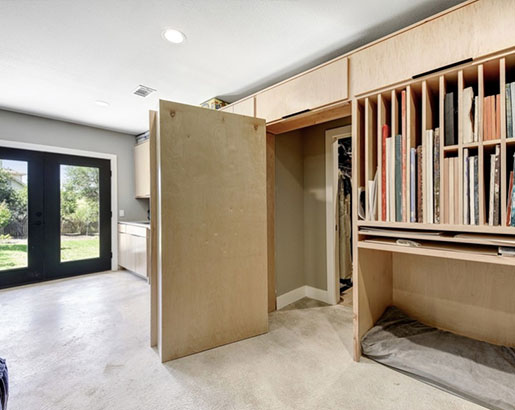
Mirrored doorways are the ultimate tricksters of the hidden doorway world. By encasing a doorway in a full-length mirror—or even a series of smaller mirrors—you create a visual paradox. The reflection of the room behind the mirror seamlessly blends with the space in front, making the doorway nearly invisible. This technique is particularly effective in small rooms, where the reflective surface can double the perceived depth of the space.
The magic of mirrored doorways lies in their ability to manipulate light and perspective. A well-placed mirror can bounce natural light deeper into a room, brightening dark corners and making the space feel airier. Additionally, the continuous reflection creates a sense of infinity, tricking the eye into believing the room extends far beyond its actual boundaries. This effect is especially potent in narrow hallways or compact living areas, where every inch of space counts.
For a contemporary look, opt for a frameless mirror with a sleek, edge-to-edge design. The absence of a frame minimizes visual interruptions, allowing the reflection to dominate. Alternatively, a vintage-inspired mirror with an ornate frame can add character while still maintaining the illusion of expanded space. Just be mindful of the mirror’s placement—it should align with a natural focal point in the room to maximize its impact.
3. Sliding Panel Doorways: The Seamless Transition
Sliding panel doorways are a study in minimalism and functionality. Unlike traditional hinged doors, which swing into a room and consume valuable floor space, sliding panels glide effortlessly along a track, disappearing into the wall when opened. This design is ideal for modern interiors, where clean lines and uncluttered surfaces are paramount. When closed, the sliding panel blends seamlessly with the wall, creating a smooth, uninterrupted surface that enhances the room’s perceived size.
The beauty of sliding panel doorways lies in their versatility. They can be crafted from a variety of materials, from sleek lacquered wood to frosted glass, allowing you to tailor the design to your aesthetic. For a high-end look, consider a floor-to-ceiling sliding panel with a hidden pocket door system. This setup ensures the doorway is completely concealed when not in use, maintaining the illusion of a solid wall. Alternatively, a partial-height sliding panel can be used to create a semi-hidden entrance, adding a touch of mystery without sacrificing functionality.
Sliding panel doorways are particularly effective in open-concept spaces, where the goal is to maintain a sense of flow between rooms. By eliminating the visual barrier of a traditional door, they create a more cohesive environment, making the entire space feel larger and more connected. Just be sure to invest in a high-quality track system to ensure smooth, quiet operation—nothing disrupts the illusion of space like a squeaky or misaligned door.
4. Artwork and Mural Doorways: The Creative Camouflage
For those who crave a hidden doorway with a touch of whimsy or artistic flair, artwork and mural doorways offer endless possibilities. The concept is simple: a painting, mural, or even a three-dimensional sculpture is designed to pivot or slide, revealing the hidden passage behind. This approach is perfect for spaces where a traditional hidden doorway might feel out of place, such as a child’s playroom, a creative studio, or a gallery-style living area.
The key to a successful artwork doorway is collaboration—work closely with an artist or muralist to ensure the design complements the surrounding decor. A well-executed mural can enhance the room’s aesthetic while simultaneously serving as a functional entrance. For a subtle effect, opt for a painting that blends into the wall color, with only a slight variation in texture or pattern to hint at the hidden mechanism. For a bold statement, choose a vibrant mural that draws the eye, making the doorway a focal point rather than a secret.
Three-dimensional sculptures offer another layer of creativity. Imagine a life-sized sculpture of a tree that, when rotated, reveals a hidden passage behind its trunk. Or a floating shelf that pivots to expose an entrance. These designs add a tactile element to the hidden doorway, engaging the senses and making the discovery of the passage even more rewarding. The only limit is your imagination—and perhaps the structural integrity of your walls.
Design Considerations: Crafting a Hidden Doorway That Works
While hidden doorways are undeniably impressive, they’re not a one-size-fits-all solution. To ensure your hidden doorway achieves its full potential—both aesthetically and functionally—there are several key considerations to keep in mind. From structural requirements to material selection, every detail plays a role in the final outcome.
First and foremost, assess the structural feasibility of your hidden doorway. Not all walls are created equal, and some may require reinforcement to accommodate the weight of a bookshelf, sliding panel, or pivoting artwork. Consult with a structural engineer or contractor to determine whether your chosen design is viable, especially if you’re working with load-bearing walls or older construction.
Next, consider the mechanism behind the hidden doorway. The smoother and quieter the operation, the more seamless the illusion. Invest in high-quality hardware, such as concealed hinges, soft-close tracks, or counterweight systems, to ensure the doorway moves effortlessly. Additionally, think about the door’s weight distribution—heavy materials like solid wood may require additional support, while lighter options like acrylic or hollow-core panels can simplify the installation process.
Material selection is another critical factor. The goal is to create a doorway that blends seamlessly into its surroundings, so choose materials that complement the existing decor. For a cohesive look, match the finish of the hidden doorway to the wall color, flooring, or adjacent furniture. Alternatively, use contrasting materials to create a deliberate focal point—just be mindful of how the doorway will be perceived when closed.
Finally, don’t overlook the importance of lighting. A hidden doorway that’s poorly lit can appear as a dark void, disrupting the flow of the space. Incorporate subtle lighting around the doorway to highlight its presence when open and blend it into the background when closed. Recessed LED lights, backlit panels, or even a strategically placed floor lamp can enhance the doorway’s visibility without drawing attention to its mechanics.
Beyond the Basics: Advanced Techniques for Maximum Impact
For those willing to push the boundaries of hidden doorway design, advanced techniques can take the illusion of space to new heights. These methods require a bit more creativity—and perhaps a larger budget—but the results are nothing short of spectacular. Here’s how to elevate your hidden doorway from clever to extraordinary.
1. Multi-Directional Hidden Doorways
Why settle for a single hidden doorway when you can have two—or even three—in one space? Multi-directional hidden doorways are a marvel of engineering, allowing a single entrance to connect multiple rooms or areas. Imagine a bookshelf that pivots to reveal a passage to the kitchen, then rotates again to open into the living room. This design is perfect for open-concept layouts, where the goal is to maintain a sense of flow without sacrificing privacy.
The mechanics behind multi-directional doorways are complex, often involving a central pivot point and a series of concealed tracks. Precision is key—any misalignment can disrupt the illusion, so it’s essential to work with a skilled carpenter or designer. Additionally, consider the weight distribution of the doorway; a heavy bookshelf may require a counterweight system to ensure smooth operation.
2. Hidden Doorways with Integrated Storage
Hidden doorways don’t have to be purely decorative—they can also serve a functional purpose. By integrating storage into the design, you can maximize the utility of your space while maintaining the illusion of a seamless wall. Imagine a bookshelf doorway that doubles as a wine cellar, or a sliding panel that conceals a built-in closet. These designs are ideal for small apartments or homes where every inch of space counts.
The key to successful integrated storage is balance. The storage compartments should be designed to blend seamlessly into the doorway’s aesthetic, whether that’s through matching materials, hidden latches, or clever compartmentalization. For example, a bookshelf doorway could feature adjustable shelves on one side and a pull-out pantry on the other, creating a multifunctional entrance that enhances the room’s functionality.
3. Hidden Doorways with Smart Technology
In the age of smart homes, even hidden doorways can get an upgrade. By incorporating automation and smart technology, you can create a doorway that’s not only concealed but also effortless to use. Imagine a bookshelf that slides open at the touch of a button, or a mirrored doorway that illuminates with motion sensors. These designs add a futuristic edge to your space while maintaining the timeless appeal of a hidden entrance.
The possibilities are endless. Smart hidden doorways can be controlled via voice commands, smartphone apps, or even facial recognition. They can integrate with your home’s lighting, security, and climate control systems, creating a cohesive and intuitive living experience. Just be mindful of the technology’s reliability—nothing disrupts the illusion of space like a malfunctioning automated doorway.
The Final Revelation: How Hidden Doorways Transform Your Home
Hidden doorways are more than just a design trend—they’re a testament to the power of perception. By manipulating the way we see and interact with space, they create environments that feel larger, more dynamic, and infinitely more intriguing. Whether you opt for a classic bookshelf doorway, a mirrored illusion, or a cutting-edge smart entrance, the result is the same: a room that breathes, flows, and captivates.
The beauty of hidden doorways lies in their ability to adapt to any space, from cozy apartments to sprawling estates. They’re a blank canvas for creativity, allowing you to infuse your home with personality, mystery, and a touch of magic. And perhaps most importantly, they remind us that great design isn’t just about what we see—it’s about what we don’t.
So, the next time you find yourself in a room that feels just a little too cramped, consider the hidden doorway trick. It’s not just a way to make a space feel twice as large—it’s a way to make it feel like anything is possible.


Leave a Comment