

In a world that often measures value by price tags and fleeting trends, there exists a craft so humble, so profoundly simple, that it defies the very notion of cost. It whispers a secret to those willing to listen: the most exquisite creations need not demand a single coin. This is the story of the braided rag rug—a testament to the alchemy of time, fabric scraps, and human ingenuity. It’s not just a rug. It’s a rebellion against waste. A meditation on patience. A masterpiece born from the unlikeliest of materials. And the best part? You already own everything you need to begin.
Picture this: a tangle of old T-shirts, frayed bedsheets, and forgotten curtains, destined for the landfill. Now, imagine those same fragments transformed into something warm, textured, and utterly unique—a rug that cradles bare feet with the tenderness of a grandmother’s quilt. This is the magic of the braided rag rug. It’s the kind of project that turns procrastination into purpose, clutter into craft, and idle hands into instruments of artistry. But beyond its tangible beauty, this rug carries a deeper promise: a shift in how we perceive value, creativity, and the quiet joy of making do.
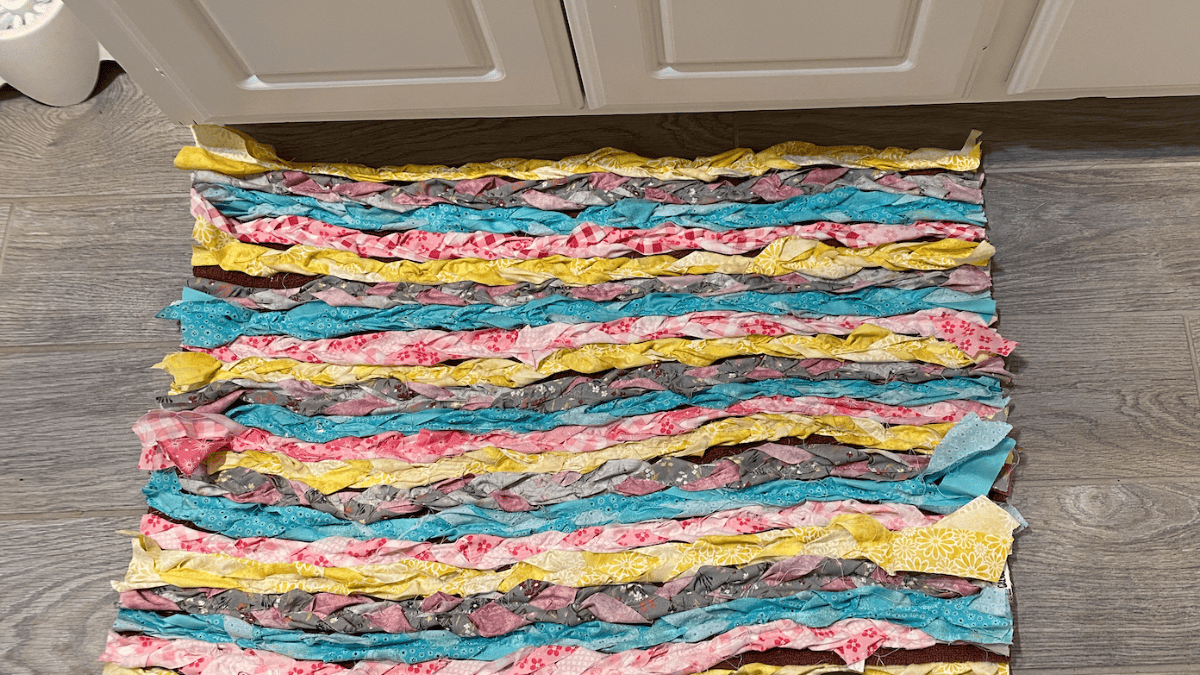
The Alchemy of Scraps: Why Waste Is the Ultimate Luxury
In an era where consumerism dictates that new is always better, the braided rag rug flips the script. It thrives on the discarded, the forgotten, the “almost good enough to keep.” This isn’t just recycling—it’s resurrection. Every frayed hem, every faded print, every snagged sleeve holds the potential to become part of something greater. The rug’s very existence is a middle finger to planned obsolescence, a quiet protest against the throwaway culture that suffocates creativity.
Consider the fabric itself. Cotton, linen, jersey—these materials are chosen not for their pristine condition but for their character. A well-worn T-shirt, soft as a cloud, is far more desirable than a stiff bolt of new fabric. The rug becomes a living archive of your life: the concert tee from 2012, the baby’s onesie, the tablecloth from a dinner party long past. Each strip tells a story, and when woven together, they create a tapestry of memories. This is slow fashion in its purest form, where every snip of the scissors is an act of reverence.
But the real allure lies in the process. There’s a meditative quality to stripping, braiding, and coiling fabric that modern life rarely affords. In a world of instant gratification, the braided rag rug demands slowness. It’s a project that unfolds over days, weeks, even months, each stitch a deliberate breath in a world of shallow exhales. The act of braiding is rhythmic, almost hypnotic—a dance between hands and memory. And when the rug finally takes shape, it’s not just a functional object; it’s a physical manifestation of your patience, your creativity, and your refusal to let anything go to waste.
The Unlikely Elegance of Imperfection
There’s a certain je ne sais quoi to the braided rag rug that mass-produced alternatives can never replicate. It’s lumpy. It’s uneven. It’s gloriously, unapologetically imperfect. And that’s precisely what makes it so captivating. In a world obsessed with flawless finishes and Instagram-worthy perfection, this rug is a breath of fresh air—a reminder that beauty often lies in the cracks, the creases, and the deliberate deviations from the norm.
Take, for instance, the way the braids overlap. Some sections are tighter than others. Some edges fray slightly, creating a feathery fringe that adds to the rug’s tactile charm. The colors don’t always blend seamlessly; instead, they clash in the most delightful ways, like a sunset over a city skyline. This isn’t a flaw—it’s a feature. It’s the difference between a machine-made clone and a handcrafted heirloom, something that bears the unmistakable imprint of human hands.
There’s also an undeniable warmth to these rugs that synthetic alternatives can’t match. Natural fibers breathe. They mold to the contours of your feet. They age gracefully, developing a patina that tells the story of every foot that’s crossed their path. A braided rag rug isn’t just something you walk on; it’s something you live with. It becomes part of the fabric of your home, a silent witness to the ebb and flow of daily life. And in a world where so much is disposable, that kind of permanence is nothing short of revolutionary.
The Minimalist’s Dream: A Project That Demands Nothing and Gives Everything
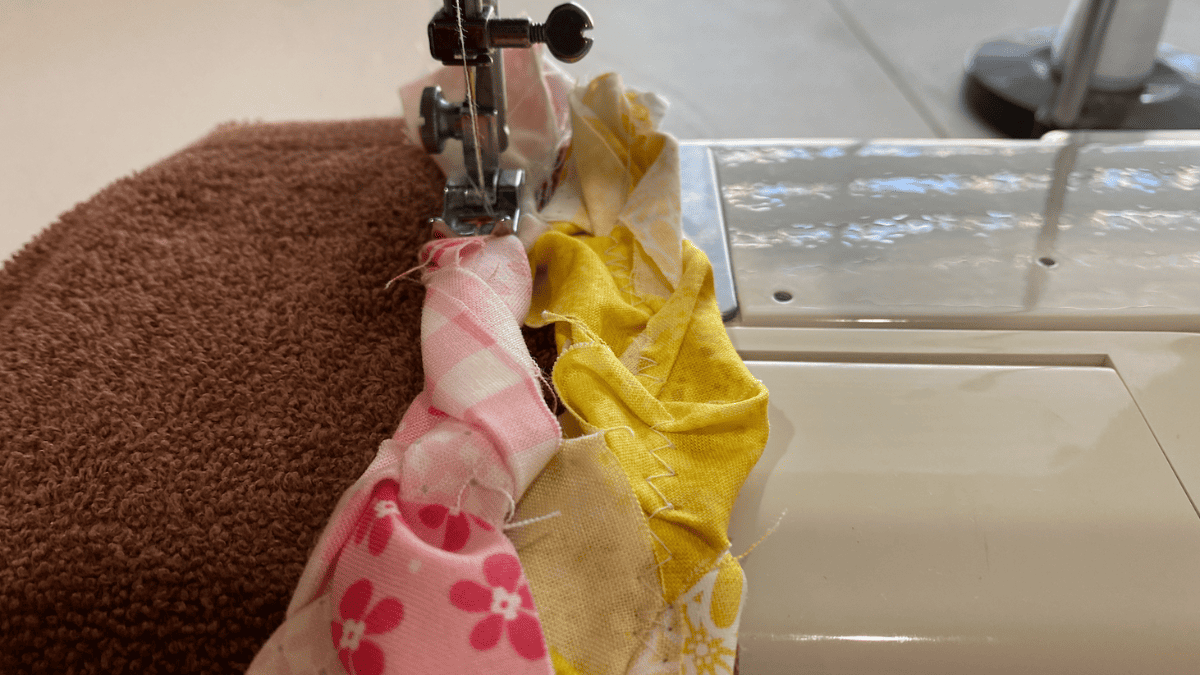
If you’ve ever felt paralyzed by the sheer volume of “must-have” craft supplies crowding your shelves, the braided rag rug is your salvation. It requires no special tools, no expensive materials, no prior experience. All you need is fabric, scissors, a needle, and thread. That’s it. No sewing machine. No fancy patterns. No hours spent scrolling through Pinterest tutorials. This is crafting stripped down to its essence—a project so accessible that it borders on the absurd.
But don’t let its simplicity fool you. The braided rag rug is a masterclass in resourcefulness. It teaches you to see potential where others see waste. It forces you to confront your own hoarding tendencies, to ask: What else could I make from this? The answer, more often than not, is far more than you’d expect. A stained tablecloth becomes a rug. A child’s outgrown sweater becomes a cozy throw. A pile of old curtains becomes a statement piece for your bedroom. The possibilities are as endless as your imagination.
And then there’s the cost—or rather, the lack thereof. In a society that equates happiness with consumption, the braided rag rug offers a radical alternative: joy without expense. It’s a middle finger to the idea that you need to spend money to make something beautiful. It’s proof that creativity thrives in the margins, where resources are scarce and ingenuity is abundant. This rug doesn’t just save you money; it saves you from the soul-crushing cycle of buying things you don’t need to impress people you don’t care about.
The Emotional Resonance: Why Handmade Rugs Feel Like Home
There’s a reason why handmade items—quilts, sweaters, pottery—hold such a cherished place in our hearts. They carry the weight of human touch, of time well spent, of love poured into every stitch. A braided rag rug is no different. It’s not just a floor covering; it’s a talisman against the cold, impersonal world of mass production. It’s a reminder that the things we value most are often the ones that cost us nothing but our time and attention.
Think about the last time you walked into a room and felt an immediate sense of comfort. Chances are, it wasn’t because of the sleek, modern furniture or the designer color palette. It was because of the textures—the worn leather of an armchair, the nubby weave of a throw, the slightly uneven stitching of a pillow. These imperfections create a sense of intimacy, a feeling that the space is lived-in, loved, and deeply personal. The braided rag rug embodies this philosophy. It’s not trying to be perfect. It’s trying to be real.
There’s also something deeply comforting about the process of making one. In a world that moves at breakneck speed, the act of braiding fabric is a form of resistance. It forces you to slow down, to breathe, to be present. And when the rug is finally complete, there’s a sense of accomplishment that’s hard to replicate with store-bought items. You didn’t just buy this rug. You made it. You poured your time, your energy, and your love into it. And that makes it priceless.
From Scraps to Sanctuary: How to Begin Your Own Braided Rag Rug Journey
Ready to dive in? The beauty of the braided rag rug is that there’s no wrong way to do it. But if you’re looking for a starting point, here’s a simple guide to get you on your way.
Step 1: Gather Your Fabric
Start by collecting old clothes, linens, or fabric scraps. Cotton and linen work best, as they’re durable and easy to work with. Cut the fabric into long strips, about 1–2 inches wide. The length will depend on how big you want your rug to be, but aim for strips that are at least 3 feet long to make braiding easier.
Step 2: Braid the Strips
Take three strips of fabric and tie them together at one end. Braid them tightly, keeping the tension even. As you braid, you’ll notice the fabric naturally curls into a rope-like shape. This is what you want! Continue braiding until you’ve used up all your strips, or until you’ve reached the desired length for your rug.
Step 3: Coil and Stitch
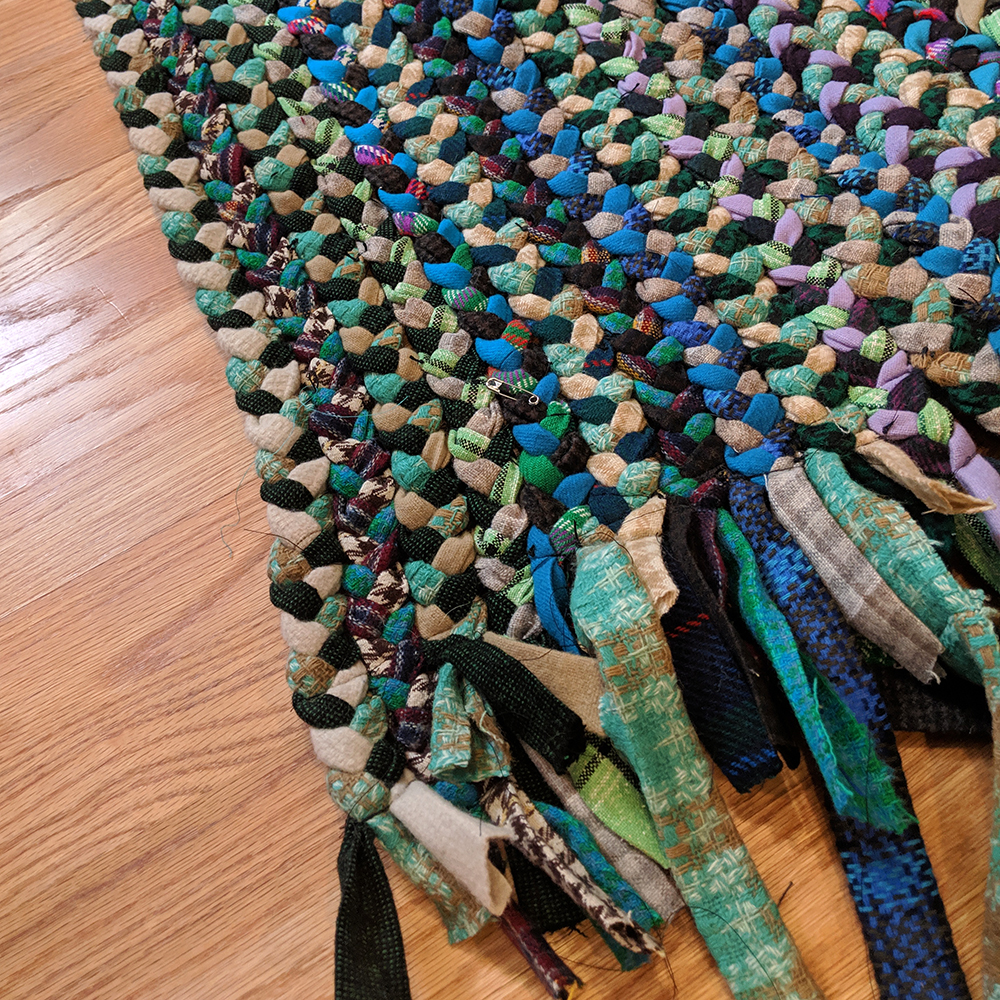
Once you have a long braid, you’ll need to coil it into a spiral, starting from the center and working your way outward. Use a needle and strong thread to stitch the coils together, securing them as you go. You can hide the stitches on the underside of the rug for a cleaner look, or leave them visible for a more rustic aesthetic.
Step 4: Finish and Fray
As you near the end of your rug, you may need to trim the excess fabric or tuck the last braid into place. To add a finishing touch, let the edges fray slightly for a soft, feathery look. And there you have it—a rug that’s as unique as you are.
Of course, this is just the beginning. Once you’ve mastered the basics, you can experiment with different braiding techniques, color combinations, and sizes. Make a rug for your bathroom, your kitchen, or even your car. Turn it into a wall hanging. Gift it to a friend. The possibilities are endless.
The Ripple Effect: How One Rug Can Change Your Perspective
It’s easy to dismiss the braided rag rug as a simple craft project, but its impact goes far beyond the floor. This rug has the power to shift how you see the world around you. Suddenly, you start noticing the beauty in the discarded. You become more mindful of what you consume. You find joy in the act of making, not just the act of owning. It’s a small rebellion against the disposable culture that surrounds us, and it’s one that starts with a pile of old fabric and a pair of scissors.
There’s also something deeply empowering about creating something from nothing. In a world where we’re constantly told that we need more—more money, more stuff, more time—the braided rag rug is a quiet act of defiance. It says: I don’t need much. I just need my hands, my time, and my creativity. And that’s enough.
So the next time you’re tempted to toss out an old T-shirt or a frayed blanket, pause. Ask yourself: Could this become part of something greater? Could it be the start of a rug that tells a story, saves a dollar, and brings a little more warmth into your home? The answer, more often than not, is a resounding yes. And in that yes lies the magic of the braided rag rug—a reminder that the most extraordinary things in life often cost nothing but time.
Now, go forth and raid your linen closet. Your future rug is waiting.


Leave a Comment