

In the labyrinth of modern commerce, where every pixel of your existence can be commodified, the photography release form emerges as a silent yet formidable gatekeeper. It’s the fine print that whispers promises of compensation and usage rights—or the legalese that surrenders your visage to the voracious maw of corporate branding. Imagine, for a moment, the horror of seeing your face emblazoned on a billboard for a product you’d never endorse, or worse, used in an ad campaign that contradicts your values. This is the paradox of the photography release form: a document that can either shield your identity or strip it bare for the world to exploit. Let’s dissect this enigmatic piece of paper, exploring its myriad forms, the ethical quagmires it creates, and how you can navigate its treacherous waters with your dignity—and face—intact.
The Anatomy of a Photography Release Form: More Than Just a Signature
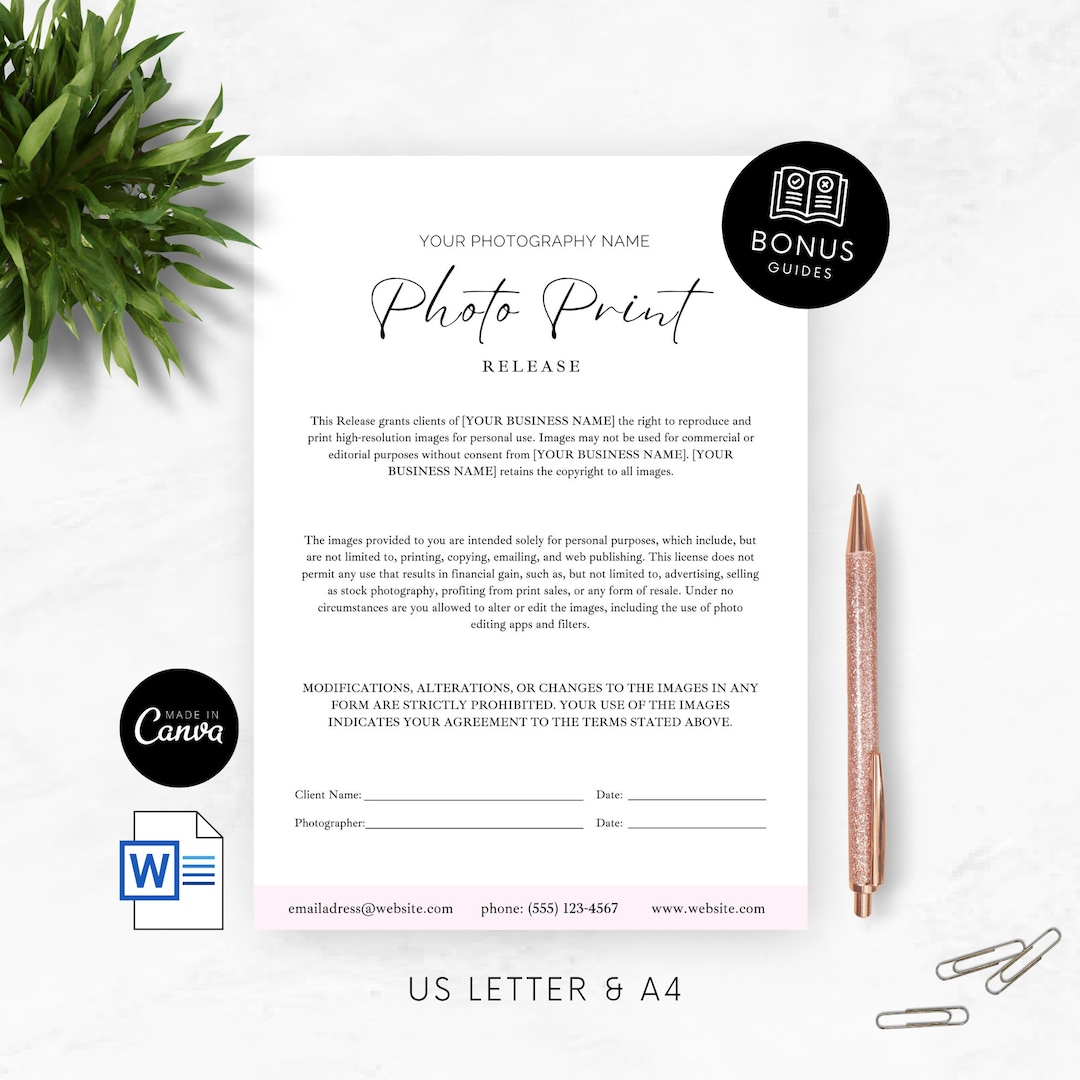
A photography release form is not merely a bureaucratic checkbox; it’s a contractual lifeline that delineates the boundaries between consent and exploitation. At its core, it grants permission for a photographer, brand, or media outlet to use your image for specific purposes, whether commercial, editorial, or promotional. But not all release forms are created equal. Some are meticulously crafted to protect your rights, while others are boilerplate documents designed to favor the entity holding the pen. The devil, as they say, is in the details.
Key components of a robust release form include the scope of usage—specifying whether your image will be used in print, digital, or social media—and the duration of the agreement. Will your face grace a billboard for a decade, or is this a fleeting moment of exposure? The territory of compensation is equally critical. Some forms offer a one-time fee, while others propose royalties or residual payments. Then there’s the murky issue of exclusivity. Does signing the form mean your image can’t appear in a competitor’s campaign? These nuances transform a simple document into a high-stakes negotiation.
Visualize the release form as a spectrum. On one end lies the limited-use release, a narrow agreement that restricts how your image can be deployed. On the opposite end is the broad-use release, a sweeping authorization that hands over near-total control to the requesting party. The latter is the corporate darling, the former the cautious ally of your privacy. Understanding where your form falls on this spectrum is the first step in reclaiming agency over your likeness.
Commercial vs. Editorial: The Two Faces of Image Exploitation
The purpose behind the photograph dictates the type of release required, and this distinction is where many unsuspecting individuals find themselves ensnared. Commercial usage—think advertisements, product packaging, or brand campaigns—demands a model release, a specific type of photography release form that grants explicit permission for your image to be used in marketing. Without it, the brand risks legal repercussions, but with it, they gain carte blanche to manipulate your image as they see fit.
Editorial usage, on the other hand, treads a different path. If a photographer captures your likeness at a public event or as part of a news story, their use of the image may fall under fair use or editorial privilege. This means they can publish your photo without a release, provided it serves a public interest or informational purpose. However, the line between editorial and commercial blurs when brands co-opt photojournalism for promotional ends. A candid shot of you enjoying a coffee at a trendy café might end up in an ad campaign, rebranded as “authentic lifestyle marketing.” This is where the photography release form becomes a double-edged sword, wielded by corporations to blur the boundaries of consent.
The ethical dilemma intensifies when considering the contextual misuse of images. A photograph taken for a wedding album could be repurposed in a divorce lawyer’s billboard. A street portrait could morph into a meme endorsing a political agenda. These scenarios underscore the importance of scrutinizing the fine print. Does the release form specify the context in which your image will be used? If not, you’re essentially handing over your face to the winds of corporate whimsy.
The Dark Side of Broad-Use Releases: When Your Face Becomes a Brand Asset
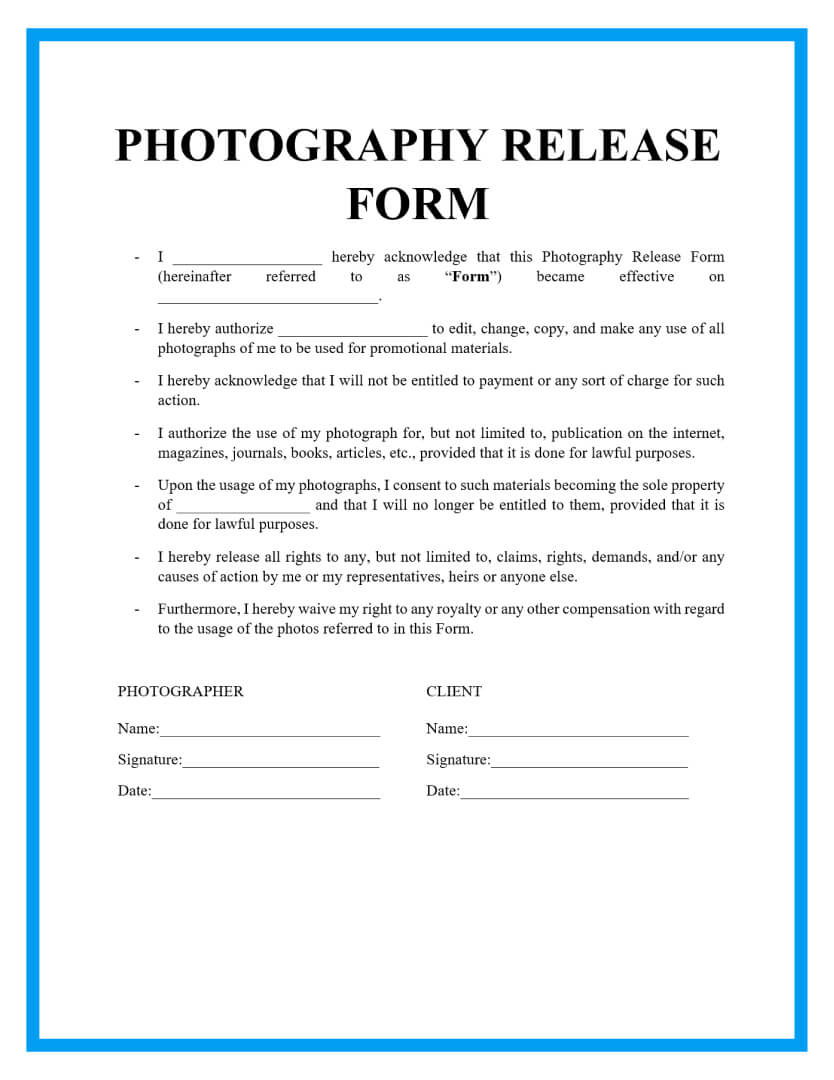
Broad-use releases are the corporate equivalent of a blank check. They grant the requesting party the right to use your image in any medium, for any purpose, in perpetuity. This is the document that turns your face into a brand asset, a commodity to be traded, altered, and exploited without further consultation. The allure of a hefty paycheck often blinds individuals to the long-term consequences of signing such an agreement. After all, who could resist the siren call of a five-figure sum for a single photoshoot? Yet, the true cost of a broad-use release is measured in lost autonomy and unforeseen repercussions.
Consider the case of a model who signed a broad-use release for a fashion brand, only to later discover her image had been used in an ad campaign for a product she found morally reprehensible. Or the amateur photographer whose street portrait became the mascot for a controversial political movement. These are not hypothetical scenarios; they are cautionary tales of the perils of relinquishing control. A broad-use release is a Faustian bargain, offering immediate gratification at the expense of future regret.
The psychological toll of such exploitation cannot be overstated. Your face is not just a visual asset; it’s a vessel of your identity, your emotions, and your personal narrative. When a brand repurposes your image without consent, they strip away the context that gives it meaning. A joyful moment captured at a family reunion could be twisted into an advertisement for a divorce mediation service. The erosion of personal agency is the silent killer of these agreements, leaving victims feeling violated and powerless.
To mitigate these risks, always negotiate the terms of a release form. Push for limitations on usage, specify the duration of the agreement, and insist on the right to review how your image is deployed. If a brand refuses to budge, walk away. Your face is not for sale to the highest bidder—it’s a part of you, and it deserves to be treated as such.
DIY Releases and the Rise of the Empowered Subject
In an era where everyone wields a smartphone and social media reigns supreme, the photography release form has evolved from a niche legal document into a tool of empowerment. DIY release forms, available through platforms like Canva and Adobe, democratize the process, allowing individuals to draft their own agreements tailored to their needs. This shift is a rebellion against the one-size-fits-all mentality of corporate legalese, a declaration that consent should be a collaborative process, not a unilateral surrender.
The beauty of a DIY release form lies in its flexibility. You can specify the exact parameters of usage, from the platforms where your image will appear to the duration of the agreement. You can even include clauses that protect against contextual misuse, ensuring your image won’t be repurposed in a way that contradicts your values. This level of customization transforms the release form from a tool of exploitation into a shield of protection.
However, DIY releases are not without their pitfalls. Without legal expertise, it’s easy to overlook critical clauses or use vague language that leaves room for interpretation. A poorly drafted release form is as dangerous as a corporate boilerplate, if not more so, because it lulls you into a false sense of security. To avoid this trap, consult a legal professional or use a vetted template from a reputable source. Your face deserves the same level of scrutiny as a high-stakes contract.
The rise of DIY releases also reflects a cultural shift toward reclaiming agency in an increasingly digitized world. Social media influencers, freelance models, and even everyday individuals are demanding transparency and consent in how their images are used. This movement is a testament to the power of informed consent, a reminder that your likeness is not a commodity to be traded without your say-so.
Navigating the Gray Areas: Public Spaces, Implied Consent, and the Illusion of Privacy
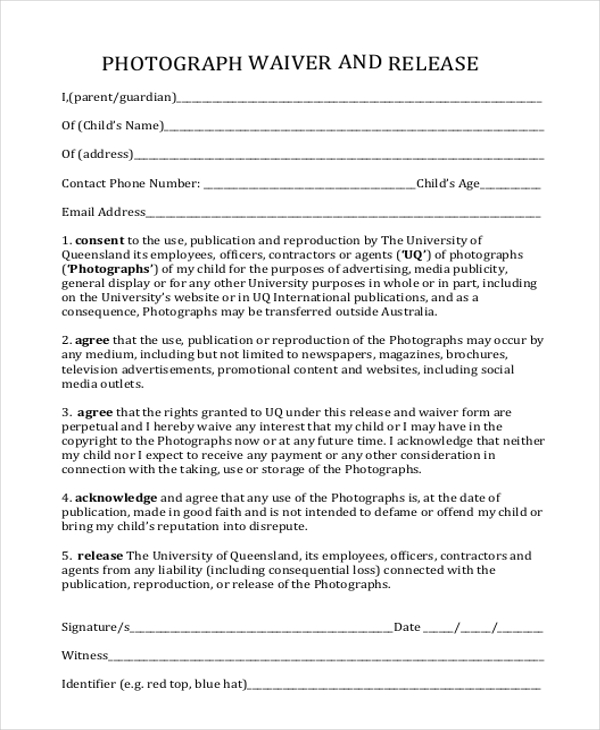
The line between public and private space is a notoriously blurry one, especially in the age of ubiquitous surveillance and social media. A photograph taken in a public park may seem harmless, but if your image ends up in a brand’s campaign, is that a violation of your rights? The legal landscape is a patchwork of jurisdictions, each with its own interpretation of what constitutes implied consent. In some places, capturing an image in a public space is enough to grant usage rights; in others, explicit consent is mandatory.
This gray area is where the photography release form becomes a double-edged sword. On one side, it offers a layer of protection, a clear delineation of rights and responsibilities. On the other, it can be used to exploit the ambiguity of public spaces, turning a moment of spontaneity into a corporate asset. The key to navigating this terrain lies in understanding the laws of your jurisdiction and advocating for your rights, even in seemingly innocuous situations.
Implied consent is another slippery slope. If you pose for a street photographer or participate in a public event, does that imply your consent for your image to be used commercially? The answer is rarely straightforward. Some photographers operate under the assumption that participation in an event grants them carte blanche to use your image, while others are meticulous about securing releases. This inconsistency underscores the importance of proactive communication. If you’re uncomfortable with your image being used, speak up. Silence is not consent.
The illusion of privacy in public spaces is perhaps the most insidious aspect of this issue. Just because you’re in a crowd doesn’t mean you’ve surrendered your right to control your image. A photograph taken in a bustling market could end up in an ad for a luxury watch, your face a prop in someone else’s narrative. This is the paradox of modern life: we crave connection and visibility, yet we’re constantly at risk of being reduced to a commodity in someone else’s story.
The Future of Consent: AI, Deepfakes, and the Next Frontier of Exploitation
As technology advances, the photography release form faces a new set of challenges. Artificial intelligence and deepfake technology have blurred the line between reality and fabrication, raising questions about the very nature of consent. If an AI-generated image of your face is used in an ad campaign, does the original photography release form still apply? What if your likeness is manipulated to endorse a product you’d never support? These are not distant dystopian fantasies; they are the emerging battlegrounds of digital rights.
The rise of AI also introduces the specter of unauthorized usage. A brand could scrape images of you from social media, use them to train an AI model, and then deploy that model to create hyper-realistic advertisements featuring your face—without ever securing a release. This scenario is a legal gray area, one that current photography release forms are ill-equipped to address. The future of consent lies in adapting to these technological shifts, in creating frameworks that protect individuals from the unintended consequences of innovation.
Blockchain technology offers a glimmer of hope in this landscape. By creating immutable records of consent, blockchain could revolutionize the way we track and enforce photography release agreements. Imagine a world where every use of your image is logged on a decentralized ledger, where you retain control over how your likeness is deployed. This is the promise of Web3—a future where consent is not a one-time transaction but a continuous dialogue between you and the entities that wish to use your image.
The fight for digital autonomy is far from over. As technology evolves, so too must our understanding of consent. The photography release form of tomorrow may look nothing like the paper documents of today, but its core purpose will remain the same: to protect the individual from the unchecked appetites of corporate and technological power.
The photography release form is more than a legal document; it’s a mirror reflecting the power dynamics of our digital age. It can be a tool of liberation or a shackle of exploitation, depending on who holds the pen. By understanding its nuances, advocating for your rights, and staying vigilant in an ever-changing landscape, you can ensure that your face remains yours—and yours alone. The next time you’re handed a release form, remember: this is not just a signature. It’s a statement. Make it count.


Leave a Comment