

Receiving a rejection letter can feel like a door slamming shut in your face—especially when you’ve poured your energy into a proposal, application, or pitch. Yet, what if this moment wasn’t the end, but the beginning of a more refined version of yourself? Handling rejection isn’t about suppressing disappointment; it’s about transforming it into a strategic advantage. Whether you’re a freelancer waiting for a client’s nod, a job applicant chasing a dream role, or an entrepreneur pitching a groundbreaking idea, the way you process and respond to rejection can redefine your trajectory. Let’s explore how to turn these setbacks into stepping stones, with insights tailored to different scenarios you might encounter.
Imagine, for a moment, that every rejection letter is a cryptic clue in a larger puzzle. Each one holds a fragment of wisdom, waiting to be decoded. The key isn’t to avoid these moments but to dissect them, learn from them, and use them as fuel for your next attempt. This guide will walk you through the nuances of handling rejection letters across various contexts, from professional proposals to creative submissions, and even personal applications. By the end, you’ll see rejection not as a verdict, but as a compass—one that points you toward your true path.
The Art of Professional Proposal Rejections: Turning “No” into “Next”
Professional rejections often arrive in the form of business proposal denials, client turndowns, or partnership refusals. These letters can sting, particularly when you’ve invested significant time crafting a pitch that aligns perfectly with a client’s needs. The first step is to resist the urge to take it personally. Instead, treat the rejection as a market signal—a piece of data that reveals what’s missing in your approach. Was the proposal too generic? Did it lack a clear ROI? Or perhaps the client’s priorities shifted overnight?
Request feedback if possible. A simple follow-up email asking for constructive criticism can open doors to understanding the client’s decision. Sometimes, the feedback is as valuable as the opportunity itself. For instance, if a client mentions that your proposal didn’t address a specific pain point, you now have a roadmap for refining your next submission. Use this insight to tailor future pitches, making them razor-sharp and client-specific. Remember, the goal isn’t to win every proposal but to refine your strategy until it becomes irresistible.
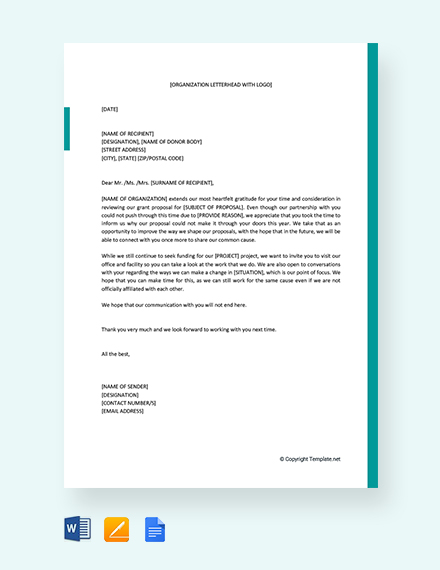
Client Rejection in Real Estate: Navigating the “Not for Us” Response
For real estate agents, rejection isn’t just a possibility—it’s an inevitability. A client might walk away after a showing, decline an offer, or ghost you mid-negotiation. These moments can feel like professional earthquakes, shaking your confidence to its core. Yet, the most successful agents don’t dwell on the loss; they dissect it. Ask yourself: Was the property misaligned with the client’s needs? Did the price point miss the mark? Or was there a miscommunication in the listing’s features?
Instead of viewing rejection as a failure, reframe it as a learning opportunity. Follow up with a polite email or call to understand the client’s decision. Their reasons might reveal gaps in your market knowledge or presentation skills. Perhaps you need to refine your staging techniques or adjust your pricing strategy. Use this feedback to sharpen your approach, ensuring that future interactions are more aligned with client expectations. The real estate landscape is as much about resilience as it is about deals—and every “no” brings you one step closer to a “yes.”
Creative Submissions and Portfolio Rejections: When Your Art Doesn’t Speak to Them
Creative professionals—writers, designers, artists—often face rejection in the form of portfolio turndowns or submission rejections. These letters can feel like a verdict on your talent, but they’re rarely that simple. The truth is, creativity is subjective, and a rejection often says more about the recipient’s tastes than your abilities. The key here is to separate your self-worth from the outcome. Did the editor provide feedback? If so, use it to refine your work. If not, consider the rejection a stepping stone toward a more receptive audience.
Expand your horizons. Submit to different platforms, experiment with new styles, or seek out communities that align with your vision. Rejection in the creative world isn’t a reflection of your skill—it’s a sign that you’re pushing boundaries. Every “no” from a gallery, publisher, or client is a data point in your artistic journey, guiding you toward the right fit. Keep creating, keep submitting, and trust that your audience is out there, waiting for your unique voice.
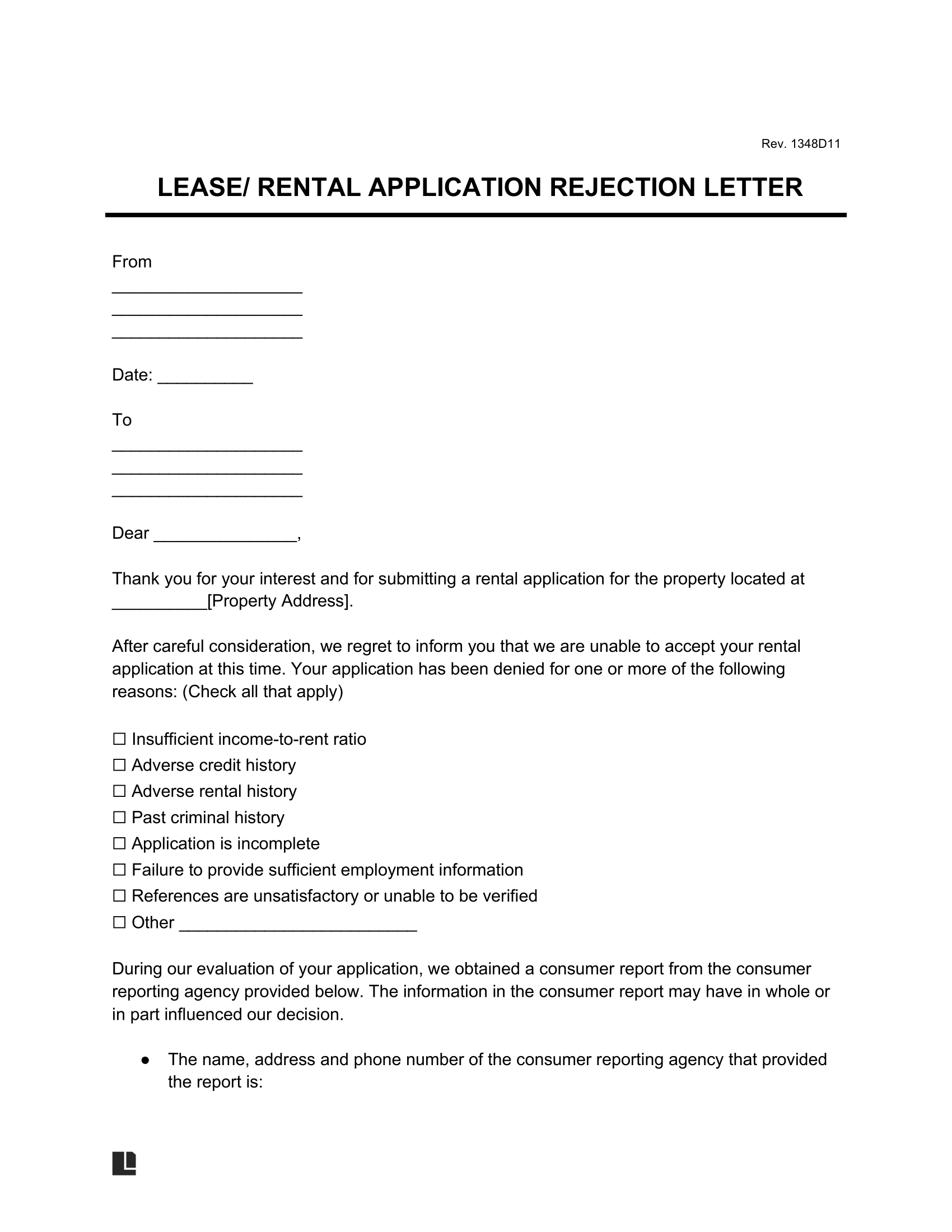
Job Application Rejections: Decoding the Hiring Manager’s Silence
Job seekers know the agony of sending out applications and hearing nothing but crickets. A rejection letter—or worse, no response at all—can feel like a professional excommunication. Yet, these moments are rife with untapped potential. Start by analyzing your application. Was your resume tailored to the job description? Did your cover letter fail to highlight your unique value? Sometimes, the issue isn’t your qualifications but your presentation.
Reach out to the hiring manager or HR representative for feedback. A polite email asking for insights can yield surprising results. Perhaps your experience didn’t align with their immediate needs, or maybe your application got lost in a sea of submissions. Use this feedback to refine your approach. Tailor each application to the role, emphasizing the skills and experiences that matter most. And remember, rejection isn’t a reflection of your worth—it’s a mismatch in timing or fit. Keep applying, keep networking, and trust that the right opportunity is on the horizon.
The Psychological Playbook: Mastering Your Mindset After Rejection
Rejection isn’t just a professional challenge—it’s a psychological one. The way you process disappointment can dictate your future success. Start by acknowledging your emotions. It’s okay to feel frustrated, but don’t let those feelings paralyze you. Instead, channel them into action. Create a rejection log where you document each “no,” the reasons behind it, and your plan for improvement. This practice turns abstract setbacks into tangible lessons.
Surround yourself with a support system—mentors, peers, or even online communities—that understand the rejection-recovery cycle. Sharing your experiences can provide perspective and motivation. Additionally, practice self-compassion. Remind yourself that rejection is a universal experience, even for the most successful individuals. Every “no” is a step closer to a “yes,” and each failure is a lesson in disguise.
Transforming Rejection into a Growth Catalyst
The final frontier in handling rejection letters is reframing them as growth catalysts. Instead of seeing a “no” as a closed door, view it as a redirect. Perhaps the client wasn’t the right fit, or maybe the timing wasn’t ideal. Use these moments to reassess your goals, refine your strategies, and emerge stronger. The most successful professionals aren’t those who avoid rejection—they’re the ones who learn from it and use it to fuel their next move.
Rejection isn’t the end of the road; it’s a detour on the path to success. Every letter, every email, every unanswered message is a piece of the puzzle. Assemble them carefully, and you’ll find that the bigger picture is far more rewarding than you imagined. So the next time you receive a rejection, take a deep breath, analyze the feedback, and get back to work. Your breakthrough is waiting just around the corner.


Leave a Comment