

In the vast, ever-expanding cosmos of digital content, where every click, share, and like reverberates across the web, the question of ownership and permission isn’t just a legal formality—it’s the bedrock of trust, collaboration, and creativity itself. You’ve likely encountered the term Creative Commons (CC) licenses, those elegant, color-coded badges that adorn everything from blog posts to scientific papers. But here’s the twist: not all CC licenses are created equal. While CC0—the public domain dedication—offers a blanket waiver of rights, it’s not always the right fit for every creator or every piece of content. Enter the world of non-CC0 Creative Commons licenses, a nuanced ecosystem designed to balance openness with protection, sharing with attribution, and freedom with boundaries. Let’s dive into why these licenses might just be the missing ingredient in your content strategy.
The Spectrum of Sharing: Beyond the Public Domain
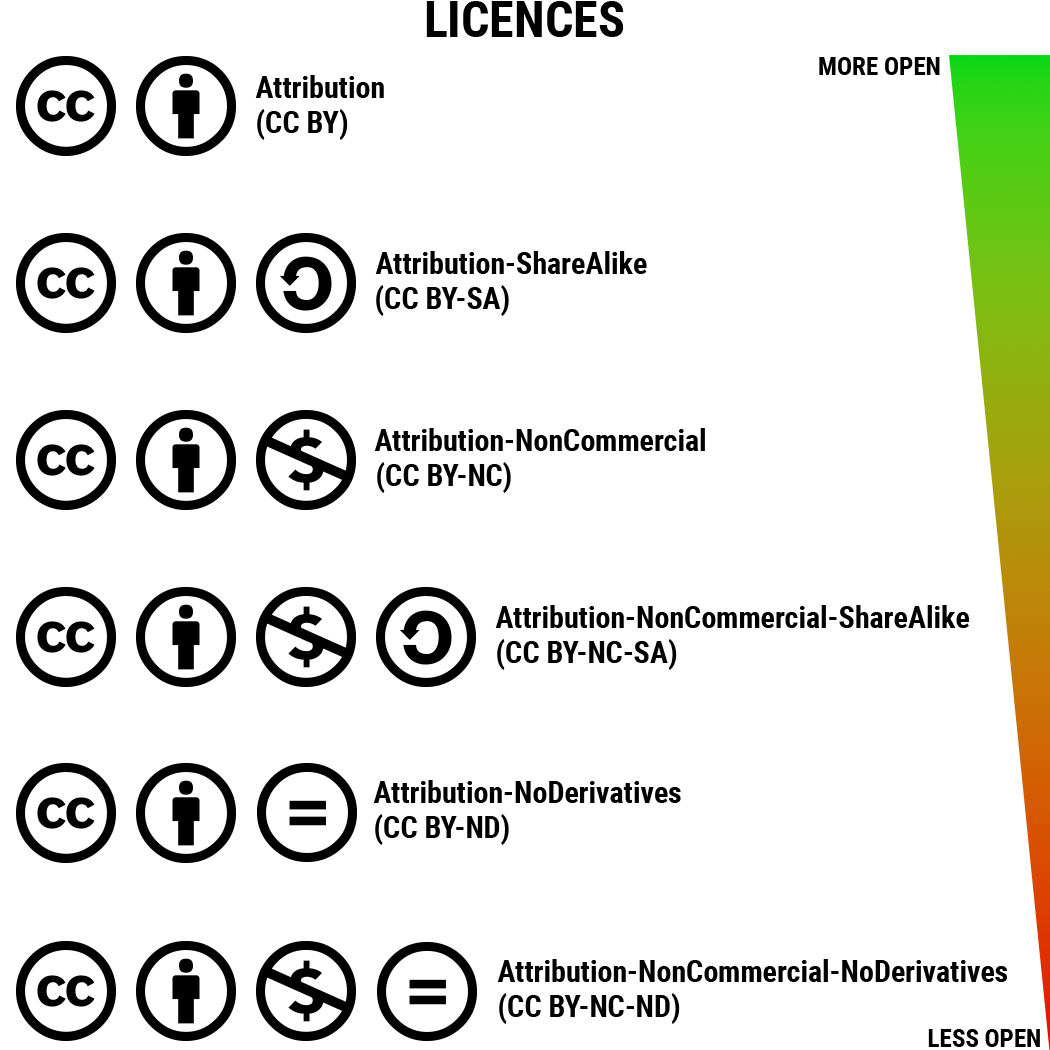
At first glance, CC0 seems like the ultimate act of generosity—surrendering all rights to your work so others can use, remix, and distribute it without restriction. It’s the digital equivalent of gifting your creation to the world with no strings attached. But what if you want to retain some control? What if you’re not ready to relinquish the power to dictate how your work is used, or you’d like to ensure that your contributions are recognized? This is where the other Creative Commons licenses shine. They form a spectrum of sharing, from the most permissive (like CC BY) to the most restrictive (like CC BY-NC-ND), each tailored to different needs and philosophies.

The beauty of these licenses lies in their specificity. They allow you to curate the terms of engagement with your audience, ensuring that your work serves your goals—whether that’s fostering collaboration, preventing commercial exploitation, or simply ensuring that your name stays attached to your creation. For creators who want to share but also protect, these licenses are the perfect middle ground.
Attribution: The Currency of the Creative Commons
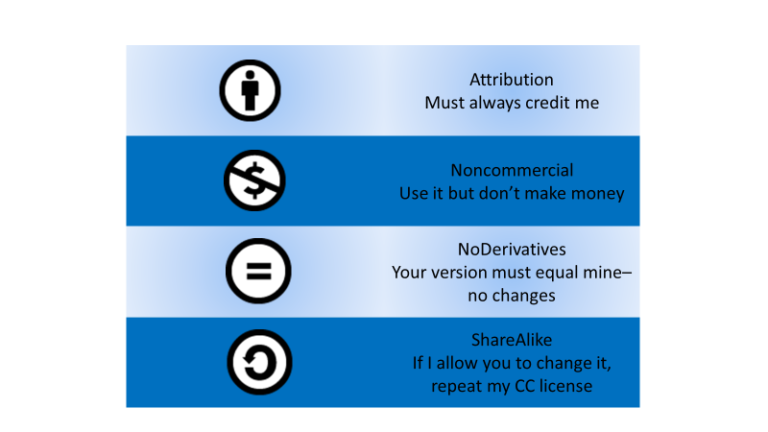
Imagine pouring your heart into a piece of content—a meticulously researched article, a stunning photograph, or a groundbreaking dataset—only to see it repurposed without so much as a nod in your direction. It’s the digital equivalent of a theft of intellectual labor, and it’s why attribution is the cornerstone of most Creative Commons licenses. The CC BY license, for instance, requires that anyone who uses your work must give you credit, link to your license, and indicate if changes were made. It’s a simple yet powerful way to ensure that your contributions are recognized and that your work isn’t divorced from its origins.
But attribution isn’t just about fairness—it’s about building a community. When you license your work under CC BY, you’re inviting others to build upon your ideas, knowing that their efforts will also be acknowledged. This creates a virtuous cycle of collaboration, where creators feel empowered to share because they know their work will be valued. It’s a system that rewards both the original creator and the innovators who come after, fostering a culture of mutual respect and intellectual generosity.
Non-Commercial Use: Protecting Your Work from Exploitation
Not all uses of your work are created equal. While some creators are happy to see their content used in commercial projects—think of a musician whose song is featured in a film—others may want to draw a line in the sand. The CC BY-NC license allows others to remix, adapt, and build upon your work, but only for non-commercial purposes. This is ideal for creators who want to share their work freely within educational, artistic, or community-driven contexts, without seeing it co-opted by for-profit entities.
The beauty of the non-commercial clause is that it preserves the integrity of your work while still encouraging sharing. It’s a safeguard against the commodification of creativity, ensuring that your content remains a tool for education, inspiration, or activism rather than a vehicle for corporate profit. For educators, activists, and independent artists, this license offers a way to disseminate ideas without sacrificing control over how they’re used.
No Derivatives: Preserving the Integrity of Your Work
What if you want your work to be shared exactly as you created it—no modifications, no remixes, no adaptations? The CC BY-ND license is your ally. It allows others to share your work, even commercially, as long as they don’t alter it in any way. This is perfect for creators who want their work to remain unchanged, whether it’s a photograph, a piece of music, or a written manifesto. It’s a way to ensure that your vision isn’t diluted or distorted by others, maintaining the purity of your original expression.
This license is particularly valuable for branding and identity. If you’re a business or an individual whose work is closely tied to your personal or professional identity, allowing derivatives could dilute your message or misrepresent your values. By opting for a no-derivatives license, you retain full control over how your work is presented to the world, ensuring that it aligns with your intended message.
Share-Alike: The Viral Spread of Openness
The CC BY-SA license takes the spirit of sharing a step further by requiring that any derivatives of your work must be licensed under the same terms. It’s the viral clause of Creative Commons, ensuring that openness is preserved even as your work is adapted and built upon. This license is a favorite among open-source advocates and educators, as it creates a self-sustaining ecosystem where every contribution remains free and accessible.
For creators who believe in the power of open knowledge, the share-alike clause is a way to amplify the impact of their work. By ensuring that derivatives are also open, you’re fostering a culture of collaboration where ideas can flourish without the constraints of proprietary ownership. It’s a license that embodies the ethos of the commons, where creativity is a collective endeavor rather than a solitary pursuit.
Tailoring Your License to Your Goals
The key to choosing the right Creative Commons license lies in understanding your goals. Are you looking to maximize the reach of your work while ensuring attribution? CC BY is your best bet. Do you want to prevent commercial exploitation? CC BY-NC has you covered. Is preserving the integrity of your work your top priority? CC BY-ND is the way to go. Or perhaps you’re a champion of open knowledge and want to ensure that derivatives remain open? CC BY-SA is your ally.
It’s also worth considering the ecosystem in which your work will live. If you’re contributing to a collaborative project, a share-alike license ensures that your contributions remain part of the commons. If you’re an educator sharing resources, a non-commercial license might align with your values. The flexibility of Creative Commons licenses means that you can tailor them to fit your unique needs, ensuring that your work serves your vision.
The Ripple Effect: How Licenses Shape Communities
Beyond the individual benefits, Creative Commons licenses have a profound impact on communities. They foster collaboration, encourage innovation, and create a level playing field where ideas can flow freely. When creators license their work under terms that align with their values, they’re not just sharing content—they’re building a culture of trust and reciprocity.
Consider the world of open educational resources (OER). By licensing their materials under CC BY or CC BY-SA, educators can share their work with the world, knowing that it will be used to empower others. This creates a ripple effect, where one teacher’s resources can inspire countless others, leading to a more equitable and accessible education system. Similarly, artists who license their work under non-commercial terms can ensure that their creations remain tools for activism and expression, rather than commodities for corporate consumption.
Navigating the Legal Landscape
Of course, with great flexibility comes great responsibility. Understanding the nuances of Creative Commons licenses is essential to avoid unintended consequences. For instance, a CC BY-NC license might seem straightforward, but what constitutes “commercial use”? Is a nonprofit using your work in a fundraising campaign considered commercial? The answers aren’t always black and white, and it’s important to consult the official license descriptions to ensure you’re making an informed choice.
It’s also worth noting that Creative Commons licenses are irrevocable. Once you’ve applied a license to your work, you can’t retroactively change it. This underscores the importance of choosing the right license from the start. Take the time to reflect on your goals, consult with peers, and even seek legal advice if necessary. The right license can unlock opportunities, while the wrong one might limit your options down the line.
Conclusion: The Power of Intentional Sharing
In a digital landscape where content is both currency and commodity, Creative Commons licenses offer a way to navigate the complexities of ownership, sharing, and collaboration. While CC0 provides a path to the public domain, the other licenses in the Creative Commons family offer a spectrum of control, allowing you to share your work on your terms. Whether you’re an educator, an artist, a scientist, or a business owner, there’s a license that aligns with your values and goals.
So the next time you create something worth sharing, ask yourself: What kind of legacy do I want to leave? Do you want your work to be used freely, with no strings attached? Or do you want to ensure that your contributions are recognized, protected, and built upon in ways that align with your vision? The answer lies in choosing the right Creative Commons license—a decision that can shape not just your work, but the communities and cultures that grow around it.
Remember, sharing isn’t just about giving away your work—it’s about curating the terms of engagement. With the right license, you can turn your creativity into a force for good, a tool for education, and a beacon of openness in an increasingly closed world.


Leave a Comment