

In the grand ballet of first impressions, your art is the prima ballerina—poised, powerful, and demanding attention before the music even begins. Yet, without the right introduction, even the most exquisite performance risks fading into the background noise of a crowded gallery or a bustling marketplace. Enter the 3-minute elevator pitch: not just a verbal handshake, but a symphony of intrigue, clarity, and magnetic charm designed to captivate your audience in the fleeting moments it takes to ride an elevator from the ground floor to the penthouse. This isn’t about reciting a resume; it’s about crafting a narrative so vivid, so irresistibly human, that your listener can’t help but lean in, eyes sparkling with curiosity. Whether you’re pitching to a potential buyer, a gallery curator, or a room full of skeptics, your pitch must transcend the ordinary—it must feel like a whispered secret, a glimpse into a world only you can reveal.
Imagine your art as a living entity, breathing and pulsing with stories untold. Your elevator pitch is the key that unlocks its soul, inviting the listener to step into a realm where colors hum, textures whisper, and emotions dance. But how do you distill the essence of your creative vision into a mere 180 seconds without sounding like a rehearsed script or a desperate plea? The answer lies in the alchemy of metaphor, rhythm, and authenticity. This guide will walk you through the art of crafting a pitch that doesn’t just inform—it enchants. From the opening hook that snares attention to the closing crescendo that leaves your audience breathless, we’ll explore how to transform your pitch into a masterpiece of persuasion.
The Hook: Where Curiosity Becomes an Obsession
Picture this: You’re at a networking event, the air thick with the scent of coffee and the murmur of small talk. Across the room, a stranger’s eyes flick toward your portfolio. The clock is ticking. Your heart pounds. This is your moment—not to sell, but to seduce. The hook of your elevator pitch is the first brushstroke on a blank canvas, the first note in a silent symphony. It must be unexpected, vivid, and impossible to ignore.
Instead of leading with, “I’m an artist who paints abstract landscapes,” try something like, “My paintings are the visual equivalent of a storm at sea—chaotic, yet perfectly orchestrated, where every swirl of color is a wave crashing against the shore of your imagination.” This isn’t just a description; it’s an invitation to feel. The best hooks don’t just tell—they transport. They tap into universal experiences: love, fear, wonder, nostalgia. They make the listener pause mid-sentence and think, Tell me more.
Consider the power of a question. “What if the Mona Lisa had been painted in neon?” or “Have you ever looked at a blank canvas and heard the silence scream?” Questions disrupt the autopilot of everyday conversation, forcing the brain to engage. They’re the literary equivalent of a plot twist in a thriller—sudden, jarring, and impossible to ignore. Your hook should do the same: stop the scroll, halt the small talk, and demand attention.
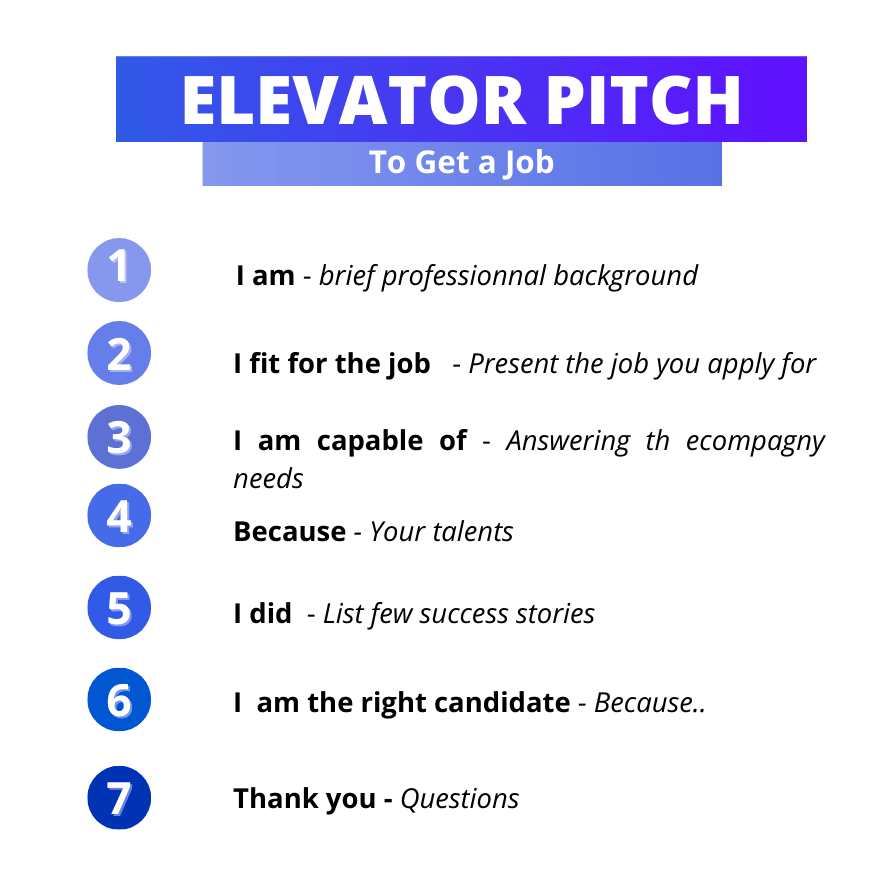
The Story: Weaving a Tapestry of Emotion and Purpose
Facts tell, but stories sell. Your elevator pitch isn’t a resume; it’s a campfire tale, where each sentence is a log tossed onto the fire, building warmth and intimacy. The middle of your pitch should feel like a journey—a winding path that leads your listener from confusion to clarity, from indifference to fascination. This is where you reveal the why behind your art, not just the what.
Start with the spark that ignited your passion. Was it a childhood memory of painting under a tree? A moment of awe in a museum? A personal struggle that found expression on canvas? These aren’t just anecdotes; they’re the emotional DNA of your work. For example: “I began painting these fractured cityscapes after losing my father to a sudden illness. In the chaos of the urban jungle, I found fragments of order—and in those fragments, a way to grieve, to remember, to heal.” This isn’t vulnerability; it’s a bridge. It connects your art to something larger than itself—a shared human experience.
Next, paint a picture of the world you’re inviting your listener into. Describe the textures, the emotions, the unexpected details that make your work unique. If your art is about the interplay of light and shadow, don’t just say you play with contrast—say, “My canvases are like sunrises in a canyon: the light doesn’t just fill the space; it carves it, revealing secrets hidden in the cracks.” This is where metaphor becomes your most potent tool. It allows your audience to see your art through a lens they’ve never considered before, transforming a simple observation into a revelation.
Finally, tie it all together with a vision. Where do you see your art going? What problem does it solve, what emotion does it evoke, what world does it create? This isn’t about grandiosity; it’s about purpose. For instance: “I see my work as a rebellion against the sterile perfection of digital art—a reminder that imperfection is where the magic happens.” This gives your listener a reason to care, a stake in your success. It makes them feel like they’re not just hearing about your art; they’re part of its journey.
The Close: Leaving Them Wanting More
The end of your elevator pitch isn’t a period; it’s an ellipsis. It’s the trailing note of a song that lingers in the air long after the last chord fades. A strong close doesn’t just end the conversation—it propels it forward. It leaves your listener with a question, a challenge, or a call to action that feels organic, not forced.
One of the most effective ways to close is with a provocative question. “What if the next masterpiece you hang on your wall wasn’t just a decoration, but a conversation starter?” or “Imagine walking into a room where every piece of art tells a story—wouldn’t you want to be the one who adds to the narrative?” Questions like these don’t just invite response; they plant a seed. They make your listener picture themselves in the world you’ve described, and that’s a powerful motivator.
Alternatively, you can close with a bold statement that feels like a manifesto. “I don’t just create art; I create experiences that linger in the soul long after the viewer has walked away.” This isn’t about boasting; it’s about confidence. It signals that you know the value of what you do, and you’re not afraid to say it. The key is to make it feel earned, not arrogant. It should feel like the natural culmination of everything you’ve shared.
Another approach is to offer a tangible next step, but do it in a way that feels like an invitation rather than a sales pitch. “I’d love to send you a digital preview of my latest series—it’s a collection that explores the intersection of nature and technology, and I think you’ll find it as intriguing as I do.” This isn’t a demand; it’s a collaboration. It positions you as someone who values their audience’s time and perspective, and that’s magnetic.

The Rhythm: Mastering the Art of the Pause
Even the most compelling story can fall flat if it’s delivered like a machine-gun burst of words. The rhythm of your pitch is the heartbeat that gives it life. It’s the ebb and flow of tension and release, the strategic pauses that let your words sink in. Think of your pitch as a piece of music: the hook is the opening crescendo, the story is the development, and the close is the final, lingering note.
Practice your pitch out loud, not just in your head. Listen for places where you can add emphasis, where a pause would create suspense, where a slower delivery would amplify the emotional weight. For example, after describing the emotional spark behind your work, take a breath. Let the silence hang in the air for a beat. This isn’t awkwardness; it’s anticipation. It gives your listener a moment to process what you’ve said and feel its impact.
Vary your pace and tone to match the emotional arc of your pitch. Speed up when you’re building excitement, slow down when you’re sharing something deeply personal. This isn’t about theatrics; it’s about authenticity. Your voice should reflect the passion and conviction you feel for your art. If you sound bored, your listener will be too. If you sound inspired, they’ll be inspired in turn.
Another trick is to use physicality. Gestures, eye contact, and even subtle shifts in posture can enhance the delivery of your pitch. Lean in slightly when you’re sharing something personal. Step back when you’re making a bold statement. These small movements aren’t distractions; they’re punctuation marks that guide your listener through your narrative.
The Rehearsal: Polishing the Gem
No masterpiece is created in a single stroke, and no elevator pitch is perfected in one take. Rehearsal isn’t about memorization; it’s about internalization. It’s about making your pitch feel so natural that it flows from you like your own heartbeat. The goal isn’t to sound robotic; it’s to sound like you—confident, passionate, and utterly yourself.
Start by writing your pitch down. This forces you to distill your thoughts into their purest form. Then, practice it in front of a mirror. Watch your facial expressions, your gestures, your eye contact. Do they align with the emotions you’re trying to convey? Next, practice with a friend or colleague. Ask for honest feedback—not just on the content, but on the delivery. Does it feel authentic? Does it resonate? Finally, practice in real-world settings. The more you use it, the more it will evolve, adapting to different audiences and contexts.
Remember, your pitch isn’t set in stone. It’s a living thing, meant to grow and change as you do. What works today might need tweaking tomorrow. Stay open to feedback, and don’t be afraid to experiment. The most compelling pitches are the ones that feel like a conversation, not a performance.

In the end, your 3-minute elevator pitch is more than a tool; it’s a testament to the power of your art. It’s the bridge between the unseen and the seen, the unheard and the heard. When done right, it doesn’t just introduce your work—it invites your listener into a world they never knew existed, a world where colors breathe, emotions sing, and stories unfold in every brushstroke. So take a deep breath, step into the elevator, and let your art speak for itself. The rest will follow.


Leave a Comment