

In the bustling corridors of comic cons, anime expos, and pop-culture bazaars, a quiet revolution is unfolding—not in the aisles of exclusive merch booths, but in the sketchbooks of artists who dare to dream beyond the confines of originality. Fan art, once a whispered secret among creators, has evolved from a labor of love into a lucrative underground economy. But here’s the twist: what if I told you that selling fan art isn’t just legal—it’s a strategic loophole that savvy artists have weaponized to bypass the very gates that once kept them out? Buckle up. We’re about to pull back the curtain on a world where copyright laws bend, where fandom becomes currency, and where your next booth at a con could be the launchpad for a thriving side hustle.
The Myth of the “Original” Fan Artist
For years, the narrative has been clear: fan art is a legal minefield. Copyright trolls lurk in the shadows, ready to strike down any unauthorized reproduction of beloved characters. Studios issue cease-and-desist letters like confetti at a parade. But here’s the inconvenient truth: the law isn’t as black-and-white as it seems. The fan art “loophole” isn’t about breaking rules—it’s about reframing the game.
At its core, fan art exists in a gray area known as transformative use. When an artist takes an existing character and reimagines them through their own lens—whether through a unique art style, a fresh narrative, or an unexpected medium—they’re not just copying; they’re transmuting. Courts have repeatedly ruled that such works can qualify as fair use, especially when they don’t compete directly with the original or harm the market value of the source material. The key? Intent and execution. A slavish reproduction of Mickey Mouse in a slightly different pose? Risky. A watercolor of Spider-Man mid-swing, dripping with your own emotional brushstrokes? That’s where the magic—and the legality—begins.

The Conspiracy of the “No-Sell” Rule
Walk into any major convention, and you’ll find a sea of artists proudly displaying their fan art—yet whispering a disclaimer: “Not for sale.” Why? Because the fear of backlash is real. Conventions, desperate to avoid legal headaches, often enforce blanket bans on fan art sales. But this isn’t just about avoiding lawsuits; it’s about controlling the narrative.
Here’s the loophole: sell the experience, not the character. Instead of hawking a direct print of Pikachu, market a “limited-edition anime-inspired tote bag” featuring a stylized lightning bolt. Swap the recognizable silhouette of a superhero for a “mystery hero” with just enough visual cues to make fans swoon. The trick is in the abstraction. By focusing on the feeling rather than the figure, you sidestep the legal landmines while still cashing in on the hype.
Consider the rise of “aesthetic merch.” A fan art print of a Studio Ghibli scene isn’t just a copy—it’s a vibe. A sticker sheet of Disney princesses reimagined in cyberpunk neon? That’s a lifestyle. The more you lean into the emotional resonance of your work, the less it feels like a copyright violation and the more it feels like a cultural contribution.
The Alchemy of Licensing (Without the License)
What if I told you that you don’t need a license to sell fan art—you just need a permission slip from the universe? Enter the world of implied licensing, a legal concept where the absence of enforcement can be interpreted as tacit approval. Studios rarely crack down on small-scale fan art sales because it’s not cost-effective for them. They’d rather let the fandom thrive than spend millions policing it.
But here’s where it gets juicy: collaborative licensing. Some creators have turned fan art into a two-way street. By reaching out to original artists or studios with a proactive pitch—“Hey, I love your work so much I made this fan comic—would you be open to a collaboration?”—they’ve transformed potential liabilities into partnerships. A few indie artists have even secured official merch deals by proving that their fan art has commercial appeal. The result? A win-win: the studio gets free marketing, the artist gets legitimacy, and the fans get exclusive content.
Of course, this requires finesse. You can’t just cold-email Disney and demand a cut of the profits. But you can leverage your fan art as a portfolio piece to attract commissions. Imagine walking into a con with a booth full of “unofficial” prints—and leaving with a stack of paid custom orders from fans who want your take on their favorite characters. Suddenly, the fan art isn’t the product; it’s the gateway.
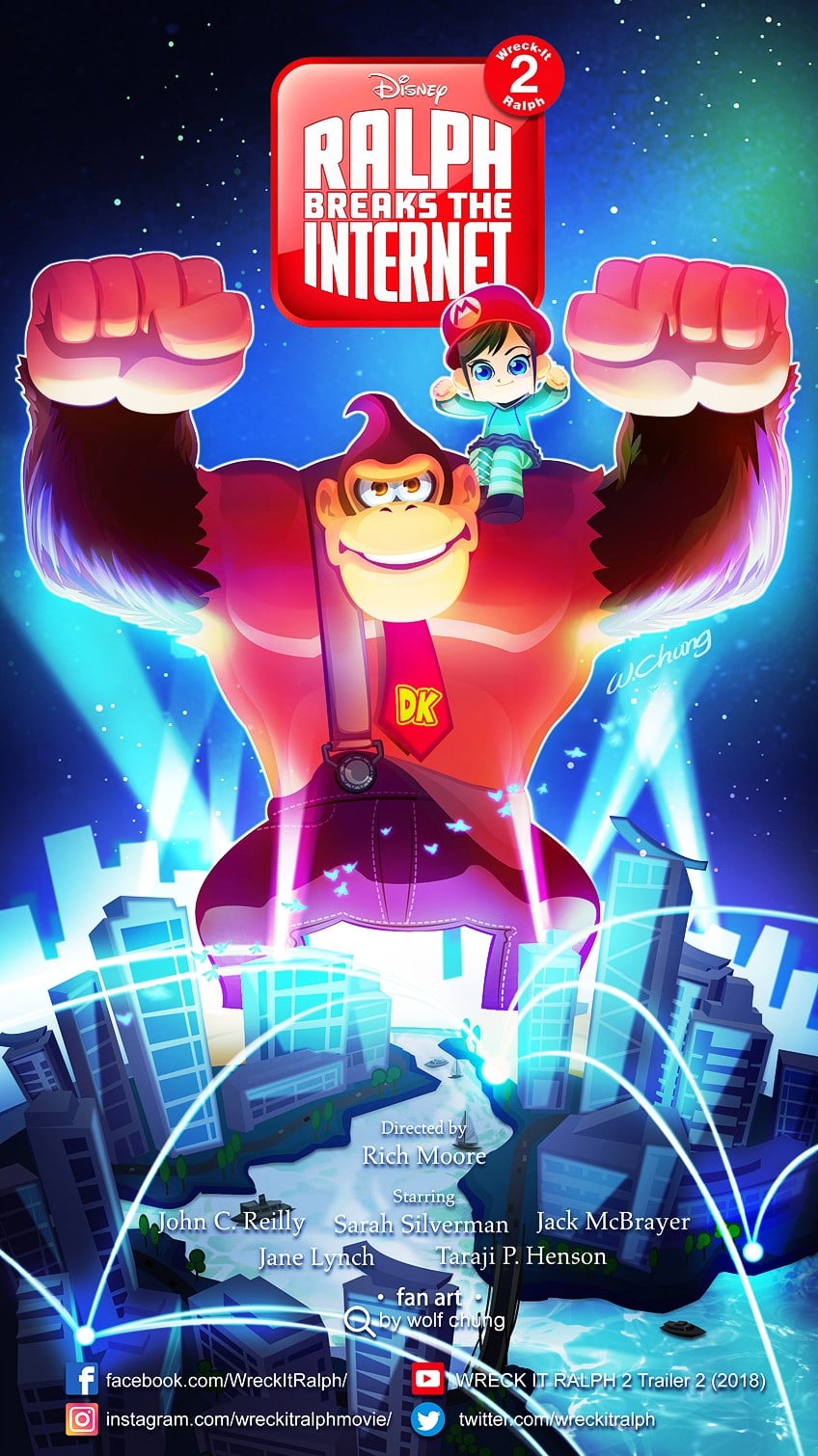
The Underground Economy of Fan Art
Beneath the polished surface of convention halls lies a thriving black market of fan art—where transactions happen in DMs, payments in crypto, and legal risks are calculated like a high-stakes poker game. This isn’t about recklessness; it’s about strategic opacity. Artists who operate in this space understand that the less visible they are, the harder they are to shut down.
Platforms like Etsy, Redbubble, and even Instagram have become battlegrounds for this silent war. Sellers use coded language—“inspired by,” “homage to,” “character study”—to skirt the algorithms of copyright enforcement. Some go a step further, selling “fan art stickers” that are technically stickers of original characters but marketed as “anime-style designs.” The more you distance the product from the source material in the buyer’s mind, the safer the transaction.
But the real goldmine? Fan art as a service. Instead of selling prints, artists offer “custom character commissions” where they create original designs that feel like fan art. A client might ask for “a character that looks like Goku but with a cyberpunk twist,” and suddenly, you’re not selling a violation—you’re selling a dream. The legal risk? Minimal. The creative freedom? Boundless.
The Future: When Fan Art Becomes Fine Art
We’re on the cusp of a cultural shift. Fan art is no longer the red-headed stepchild of the art world—it’s the avant-garde. Galleries are beginning to showcase fan art as high art, blurring the lines between homage and innovation. Artists like Takashi Murakami have built entire careers on remixing pop culture, proving that fan art isn’t just a stepping stone; it’s a legitimate artistic movement.
The next frontier? Fan art NFTs. While the crypto world is still grappling with copyright, some artists are minting fan art as “digital collectibles” with the disclaimer that they’re not affiliated with the original IP. The blockchain adds a layer of anonymity, making it harder for studios to track and shut down sales. It’s a risky game, but for those willing to play, the rewards could be revolutionary.
As the lines between creator and consumer continue to blur, one thing is clear: fan art isn’t going anywhere. And neither are the artists who’ve mastered the art of selling it without selling out.
The next time you see a booth at a con plastered with prints of your favorite characters, don’t just see a legal gray area—see an opportunity. The fan art loophole isn’t about cheating the system; it’s about rewriting it. So grab your brushes, fire up your printer, and get ready to turn your fandom into your fortune. The revolution will be illustrated.


Leave a Comment