

In the digital age, where every keystroke can be archived, dissected, and weaponized, your email pitch is no longer just a bridge to collaboration—it’s a potential landmine. What begins as a well-intentioned outreach to a blog editor, journalist, or influencer can, under the wrong circumstances, morph into incriminating evidence in a courtroom. The irony is palpable: the very tool designed to foster connection might one day be twisted into a legal liability. Whether you’re a freelance writer, a startup founder, or a content strategist, understanding how your email pitch could be used against you isn’t just prudent—it’s essential for survival in an increasingly litigious landscape.
This isn’t about stifling creativity or discouraging outreach. Far from it. It’s about arming yourself with the knowledge to craft pitches that are not only compelling but also legally fortified. From the subtext of your subject line to the fine print of your signature, every element of your email can be scrutinized, misinterpreted, or weaponized. Let’s dissect the anatomy of an email pitch and explore how it might be leveraged in a lawsuit—so you can write with both confidence and caution.
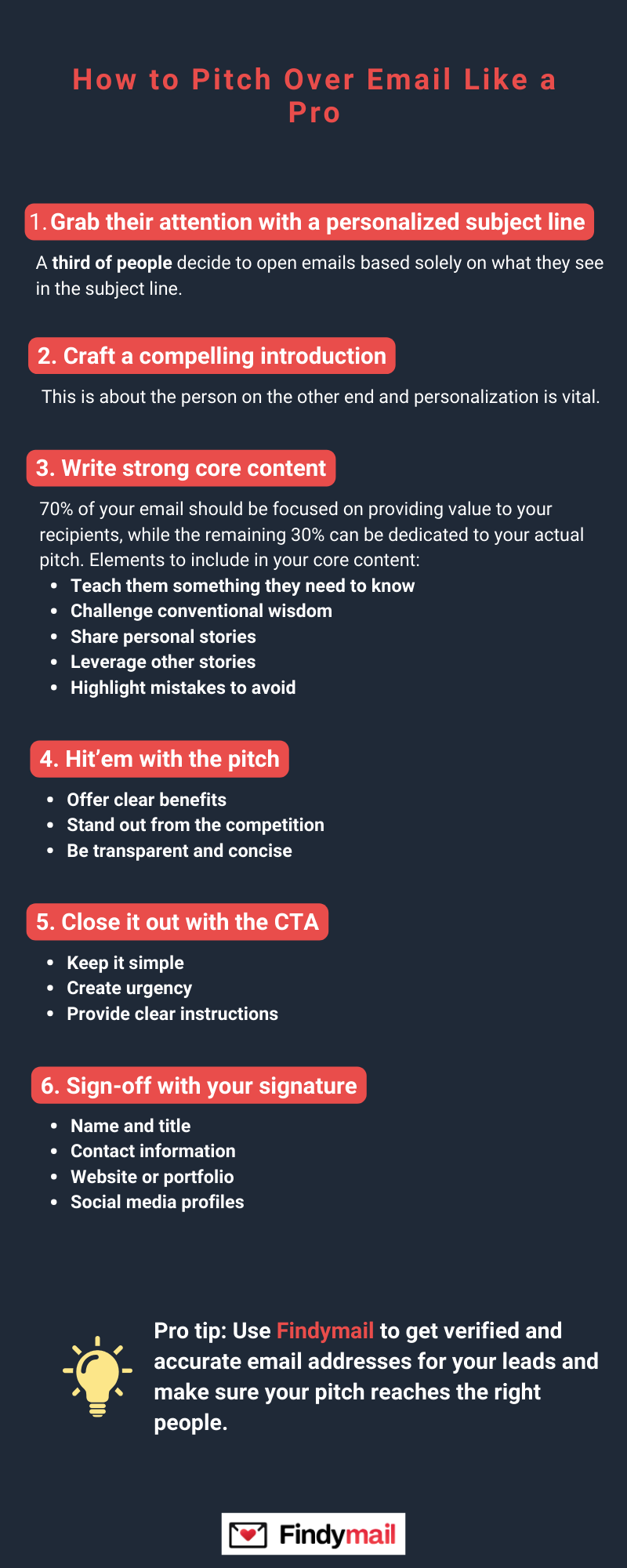
The Subject Line: A Double-Edged Sword of First Impressions
The subject line is the digital equivalent of a handshake—it sets the tone for the entire interaction. But in the context of a lawsuit, it can also serve as a damning first impression. A poorly worded subject line, even if intended as harmless, can be cherry-picked to imply intent, deception, or even fraud. For example, phrases like “Exclusive Opportunity” or “Urgent Collaboration” might be interpreted as misleading if the recipient later feels misled about the nature of the pitch.
Consider the case of a freelance writer who pitched a story idea with the subject line “Breaking News: Industry Scandal Uncovered.” The recipient, a busy editor, assumed it was a legitimate breaking news tip and invested time in responding—only to later realize it was a speculative pitch. If the editor felt the subject line was deceptive, they could argue that the writer’s intent was to mislead, potentially opening the door to claims of misrepresentation or even fraud.
To mitigate this risk, avoid hyperbolic language that could be misconstrued. Instead, opt for clarity and specificity. A subject line like “Pitch: Data-Driven Article on [Topic]” is not only professional but also leaves little room for misinterpretation. Remember, in the courtroom, ambiguity is the enemy.

The key takeaway? Your subject line isn’t just a hook—it’s a legal footnote waiting to be written.
The Body of the Pitch: Where Words Become Evidence
The body of your email pitch is where the magic happens—or where the disaster unfolds. Every sentence, every claim, and every promise can be dissected, quoted, and used against you in a lawsuit. The most common pitfall? Overpromising. If you claim your article will “revolutionize the industry” or your product will “solve all your problems,” you’re not just setting unrealistic expectations—you’re inviting litigation if those claims aren’t met.
Another red flag is the use of absolute language. Phrases like “guaranteed results” or “100% success rate” are legal landmines. If the recipient later feels misled by these claims, they could argue that your pitch constituted false advertising or breach of contract. Even if your intentions were good, the perception of deception can be enough to trigger a lawsuit.
To protect yourself, focus on transparency. Instead of saying “This will skyrocket your sales,” try “Based on our case studies, clients typically see a 20% increase in engagement.” This approach not only keeps you honest but also provides concrete data that can’t be easily twisted. Additionally, avoid making promises you can’t keep. If you’re pitching a guest post, clarify the scope of your work. If you’re promoting a product, specify any limitations or conditions.
The tone of your pitch also matters. A overly familiar or casual tone—while effective for building rapport—can backfire if the recipient feels they were manipulated into a professional relationship. Always strike a balance between warmth and professionalism. Your email should feel like a conversation, not a sales pitch.

In the end, the body of your pitch is a contract in disguise. Treat it with the same care you’d give to a formal agreement.
Attachments and Links: The Silent Witnesses
Attachments and links in your email pitch are like digital fingerprints—they leave a trail that can be traced back to you. Whether it’s a PDF portfolio, a sample article, or a link to your website, these elements can be scrutinized for inconsistencies, plagiarism, or even copyright infringement. For example, if you include a link to a past article that’s later found to contain plagiarized content, you could be held liable for copyright infringement. Similarly, if your attachment includes false or misleading claims, it could be used as evidence in a defamation lawsuit.
Another risk is the use of third-party content without proper attribution. If you include a chart, image, or quote from another source without permission or credit, you’re not just violating ethical standards—you’re creating a legal liability. Even if the original source is obscure, the recipient could argue that they were unaware of the infringement and thus held liable by association.
To avoid these pitfalls, always double-check your attachments and links for accuracy and legality. Ensure that any third-party content is properly licensed or attributed. If you’re including a portfolio or sample work, verify that all claims within it are truthful and verifiable. And if you’re linking to external content, make sure it aligns with your pitch and doesn’t contain any red flags.
It’s also wise to keep records of all attachments and links you send. If a dispute arises, having a clear record of what you shared—and when—can help you defend your position. In the digital world, transparency isn’t just a virtue—it’s a legal safeguard.
Remember, in the courtroom, even the smallest detail can become a smoking gun. Don’t give it to them.
The Signature: Your Digital Autograph of Liability
Your email signature is more than a formality—it’s a legal document. It’s the place where you sign off on every claim, promise, and representation in your pitch. A poorly crafted signature can turn an innocent outreach into a binding agreement. For example, if your signature includes a phrase like “Looking forward to collaborating,” it could be interpreted as an offer or acceptance of a contract, especially if the recipient acts on it.
Another common mistake is including disclaimers or legal language in your signature that contradicts the body of your pitch. For instance, if you say in your email that your product “will change your life” but your signature includes a disclaimer like “results may vary,” you’re creating a contradiction that could be used to argue misrepresentation. Always ensure your signature aligns with the tone and claims of your pitch.
To protect yourself, keep your signature concise and professional. Avoid including any language that could be interpreted as a binding agreement or a guarantee. Instead, use a standard signature that includes your name, title, and contact information. If you’re representing a company, include the company’s legal name and any relevant disclaimers. And if you’re unsure about the legal implications of your signature, consult a lawyer to review it.
The key is to make your signature a neutral, non-committal part of your email. It should reinforce your professionalism, not your liability.
After the Pitch: The Paper Trail of Peril
The conversation doesn’t end when you hit send. In fact, the aftermath of your pitch can be just as dangerous as the pitch itself. Every reply, every follow-up, and every interaction can be archived and used as evidence. For example, if you promise to send additional materials but fail to do so, the recipient could argue that you breached your agreement. Similarly, if you make claims in a follow-up email that contradict earlier statements, you’re creating inconsistencies that could be exploited in court.
Another risk is the use of informal or unprofessional language in your replies. A casual “No worries, I’ll handle it” could be twisted to imply a binding agreement, especially if the recipient later feels they were misled. Always treat every interaction with the same level of care and professionalism as your initial pitch.
To mitigate these risks, keep a record of all your email exchanges. If a dispute arises, having a clear timeline of events can help you defend your position. Additionally, avoid making promises or commitments in your replies that you can’t keep. If you’re unsure about something, it’s better to ask for clarification than to make assumptions.
The digital paper trail is a double-edged sword. Use it wisely.
The art of the email pitch is a delicate balance between persuasion and protection. What begins as a simple outreach can, in the blink of an eye, become a legal liability. But with the right knowledge and preparation, you can craft pitches that are not only compelling but also legally fortified. From the subject line to the signature, every element of your email matters. Treat it with the care it deserves, and you’ll not only build bridges—you’ll avoid the courtroom.
So the next time you sit down to write a pitch, ask yourself: Is this email a conversation starter or a legal landmine? The answer could make all the difference.


Leave a Comment