

In the vast gallery of artistic creation, where brushstrokes dance upon canvas like whispers of forgotten dreams, there exists a curious paradox: the painting born from a photograph you never took. It is a silent dialogue between two strangers—one who captured a fleeting moment, and another who reimagined it into something entirely new. Yet, beneath the beauty of this artistic alchemy lies a labyrinth of legal and ethical considerations, where the model release form becomes the unsung hero, guarding both creator and subject from the specters of copyright and consent. To wield a photograph as the foundation of a painting is to embark on a journey not just of aesthetics, but of responsibility, where every stroke must be tempered by the weight of ownership and the sanctity of privacy.
The Canvas as a Time Machine: When Photography Meets Paint
Imagine standing in a crowded marketplace, your eyes drawn to a stranger whose face tells a story of resilience, joy, or quiet contemplation. A photographer captures that moment, freezing it in time like a butterfly pinned to velvet. Years later, an artist discovers that photograph and feels compelled to transform it into a painting—a process akin to breathing life into a fossil. This act of transmutation is not merely technical; it is an act of homage, a reinterpretation, a dialogue across time. Yet, the photograph is not the artist’s own creation. It is a borrowed vision, a stolen glance, a moment that belongs to someone else. The canvas becomes a time machine, not just transporting the viewer into the past, but carrying the artist into the ethical minefield of creative borrowing.
The allure of such paintings lies in their uncanny ability to evoke emotion while masking their origins. A portrait painted from a stranger’s photograph can feel deeply personal, as if the artist has unlocked a hidden truth about humanity. This is the unique appeal: the painting transcends its source material, becoming something greater than the sum of its parts. Yet, the artist must tread carefully, for the line between inspiration and appropriation is as thin as a painter’s finest brushstroke.
The Model Release: Your Shield Against the Shadows of Liability
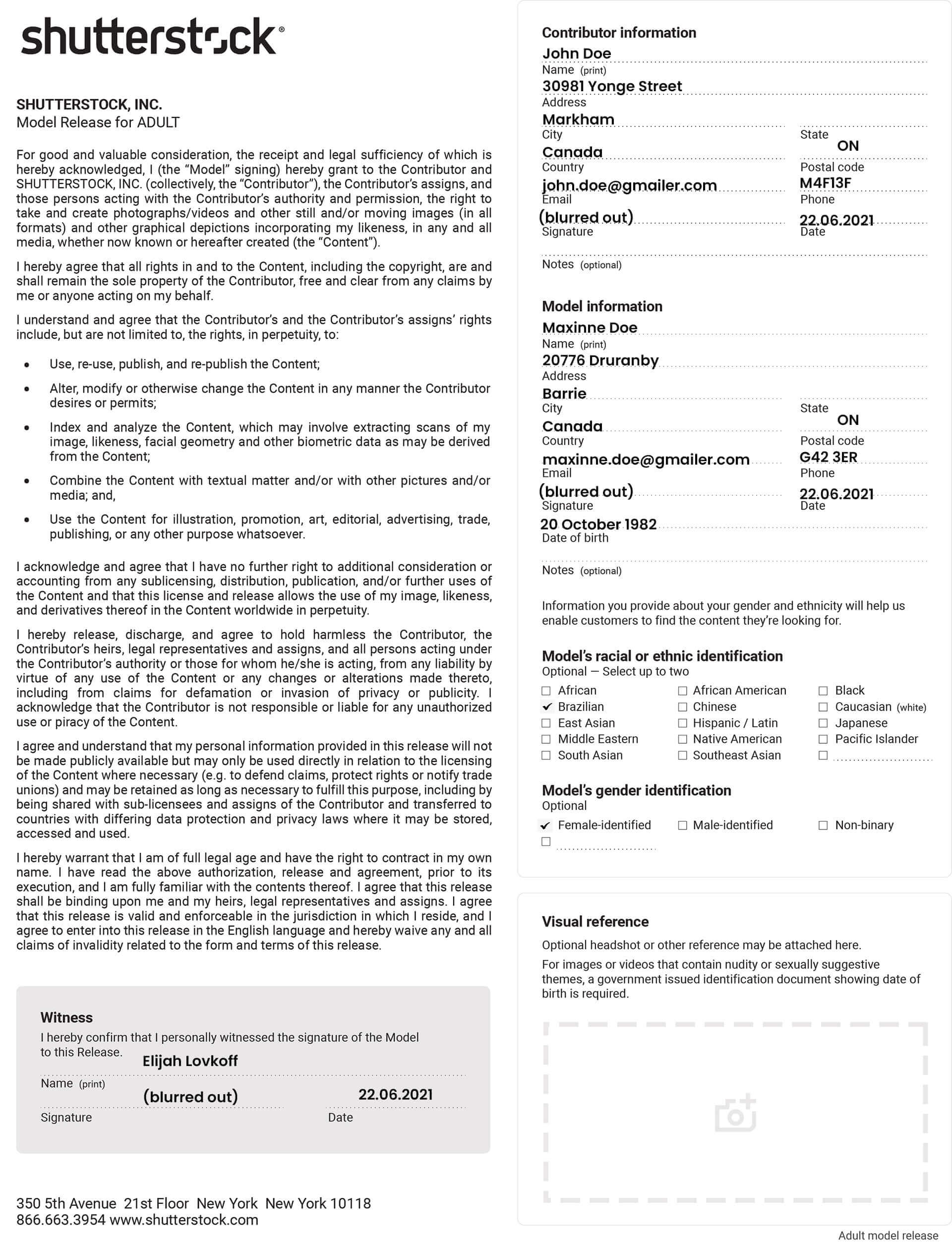
Enter the model release form—a document as vital to the artist as the canvas itself. It is not merely a formality; it is a covenant, a pact between the artist and the subject, ensuring that the latter’s likeness is used with consent and clarity. Without it, the painting risks becoming a legal quagmire, where the artist’s passion could be drowned in lawsuits and cease-and-desist letters. The model release is the artist’s shield, protecting them from the shadows of liability that lurk behind every borrowed image.
But what if the photograph’s subject is unidentifiable? What if the face in the painting is blurred, or the features are so abstracted that the original person is no longer recognizable? Even then, the model release serves as a precautionary measure, a testament to the artist’s diligence. In the world of art, where ambiguity often reigns, clarity is power. The release form is not just a legal document; it is a declaration of respect, a recognition that the subject’s dignity is as important as the artist’s vision.

The Ethical Brushstroke: Navigating Consent in a Digital Age
The digital age has democratized art, but it has also complicated the ethics of creation. A photograph shared online is no longer confined to a private album; it is a public entity, vulnerable to appropriation. When an artist paints from such an image, they are not just borrowing a visual; they are borrowing a piece of someone’s identity. The ethical brushstroke requires more than just technical skill—it demands empathy, introspection, and a willingness to ask difficult questions. Is the painting an homage or an exploitation? Does the subject’s story align with the artist’s interpretation, or is it a distortion?
Consider the case of a street photographer who captures a candid moment of a homeless person sleeping on a bench. Years later, an artist paints that scene, transforming the photograph into a hauntingly beautiful composition. The painting may evoke sympathy or even admiration, but it also raises questions: Did the artist seek permission? Did they consider the subject’s dignity? The ethical artist does not merely ask for forgiveness after the fact; they seek consent before the first stroke is laid. In a world where images are currency, consent is the rarest of commodities—and the most valuable.
The Alchemy of Transformation: Turning Photographs into Paintings
The process of transforming a photograph into a painting is a delicate alchemy, where the artist must balance fidelity to the source material with the freedom to reinterpret. The photograph is the raw ore; the painting is the refined gold. Yet, this alchemy is not without its risks. The more faithful the painting is to the photograph, the greater the potential for legal repercussions. The more abstract the painting becomes, the greater the potential for ethical dilemmas. The artist must walk a tightrope, where every decision is a gamble between authenticity and originality.
Some artists choose to blur the lines between the photograph and the painting, creating works that are neither fully representational nor entirely abstract. These pieces are a testament to the power of suggestion, where the viewer’s imagination fills in the gaps. Others embrace the photograph’s details, using them as a foundation for hyperrealism. Each approach carries its own risks and rewards, but the underlying principle remains the same: the artist must be transparent about their process and respectful of their source material.
The Legal Landscape: Copyright, Fair Use, and the Artist’s Dilemma
The legal landscape surrounding paintings based on photographs is a minefield, where copyright law and fair use principles collide in a dance of ambiguity. In many jurisdictions, the act of painting from a photograph is considered a transformative use, falling under the umbrella of fair use. However, this is not a guarantee. Courts have ruled differently on cases involving similar circumstances, leaving artists to navigate a patchwork of laws that vary by country and even by state. The artist’s dilemma is this: How can they create freely while protecting themselves from litigation?
The answer lies in proactive measures. The model release form is the first line of defense, but it is not the only one. Artists should also document their process, keeping records of their sources and any communications with the photographers or subjects. They should be transparent about their inspirations, acknowledging the origins of their work in artist statements or exhibition descriptions. In the digital age, where images can be shared and repurposed in an instant, documentation is not just a legal safeguard—it is a moral obligation.
The Heart of the Matter: Respect as the Ultimate Medium
At the core of every painting based on a photograph lies a fundamental question: What does it mean to respect someone else’s story? The artist’s medium is not just paint or canvas; it is empathy, integrity, and a deep reverence for the human experience. The model release form is a tool, but respect is the ultimate medium—the invisible ink that binds the artist to their subject and to their audience.
When an artist paints from a photograph they didn’t take, they are not just creating a piece of art; they are entering into a silent contract with the world. They are saying, “I see you. I honor you. I will not take your story lightly.” This is the unique appeal of such paintings: they are not just visual experiences; they are emotional transactions, where the artist and the subject meet in a shared moment of vulnerability and beauty.
In the end, the model release form is more than a legal document—it is a declaration of intent. It is the artist’s promise to approach their craft with humility, to create with intention, and to leave a legacy that is as ethical as it is artistic. The canvas may be blank, but the responsibility is not. Every stroke is a choice, every color a commitment, and every painting a testament to the artist’s character.
The journey of painting from a photograph you didn’t take is not for the faint of heart. It is a path paved with challenges, where the rewards are not just in the final piece, but in the integrity of the process. It is an invitation to create not just with skill, but with soul. And in a world where art is often reduced to spectacle, that is a rare and precious thing.


Leave a Comment