

Venice, a city eternally draped in art, history, and architecture, invites visitors to experience its charm through an unexpected lens at the Venice Biennale Architettura 2025. This edition reimagines the city’s iconic pavilions not just as static venues for visual marvels but as resonant chambers filled with sonic narratives. “Venice in a Different Octave” orchestrates an immersive sensory journey, blending the auditory with the spatial to redefine how we perceive cultural exhibitions. Prepare to traverse through a kaleidoscope of sounds, structures, and stories that echo across the city’s labyrinthine waterways and architectural treasures.
A Symphony of Spaces: Architectural Pavilions Revisited
The Venice Biennale’s pavilions historically stand as proud monuments to design and innovation. Yet, this year, they metamorphose into dynamic soundscapes where architecture resonates both visually and sonically. Visitors can expect an astute curation of projects that elevate the audible qualities of built environments—where walls hum, floors vibrate, and air itself carries stories in frequencies previously unexplored.
Each pavilion becomes a site for sonic experimentation, intertwining acoustic architecture with contemporary themes. Imagine entering a space where the structure’s materiality influences sound diffusion, creating undulating waves that mimic the ebb and flow of Venice’s canals. This auditory integration deepens our empathy for architectural form and spatial perception, transcending the traditional visual fixation.

The Sonic Palette: Exploring Diverse Auditory Content
The Biennale’s sonic journey indulges visitors in a rich tapestry of sound—from ethereal ambient compositions to tactile, percussive rhythms that evoke the momentum of the city itself. Expect innovative installations featuring sculptural sound devices, spatial audio engineering, and interactive sound art that invites personal engagement.
For example, some pavilions harness natural acoustics enhanced by technology to transform whispers into symphonies, echoing Venice’s whispering alleyways and secret corners. Others employ mechanical sound sculptures, where metal tongues and clay pigeon-inspired tonalities meld rhythm and melody, crafting a sensory landscape that intrigues and challenges the ear.
The auditory content is deliberately eclectic, ranging from traditional Venetian folk motifs reinterpreted through avant-garde sound manipulation, to futuristic soundscapes depicting Venice’s evolving identity in a shifting global context. This amalgamation of the past and future within aural compositions nurtures a profound connection with both the tangible heritage and the intangible cultural resonance of the city.
Interactive Immersion: Engaging Body and Mind
The Biennale doesn’t merely invite passive listening; it demands participation. Several installations encourage visitors to manipulate soundwaves themselves, using touch, movement, and proximity sensors integrated with architectural elements. This confluence of technology and human presence transforms individuals into co-creators of the sonic environment.
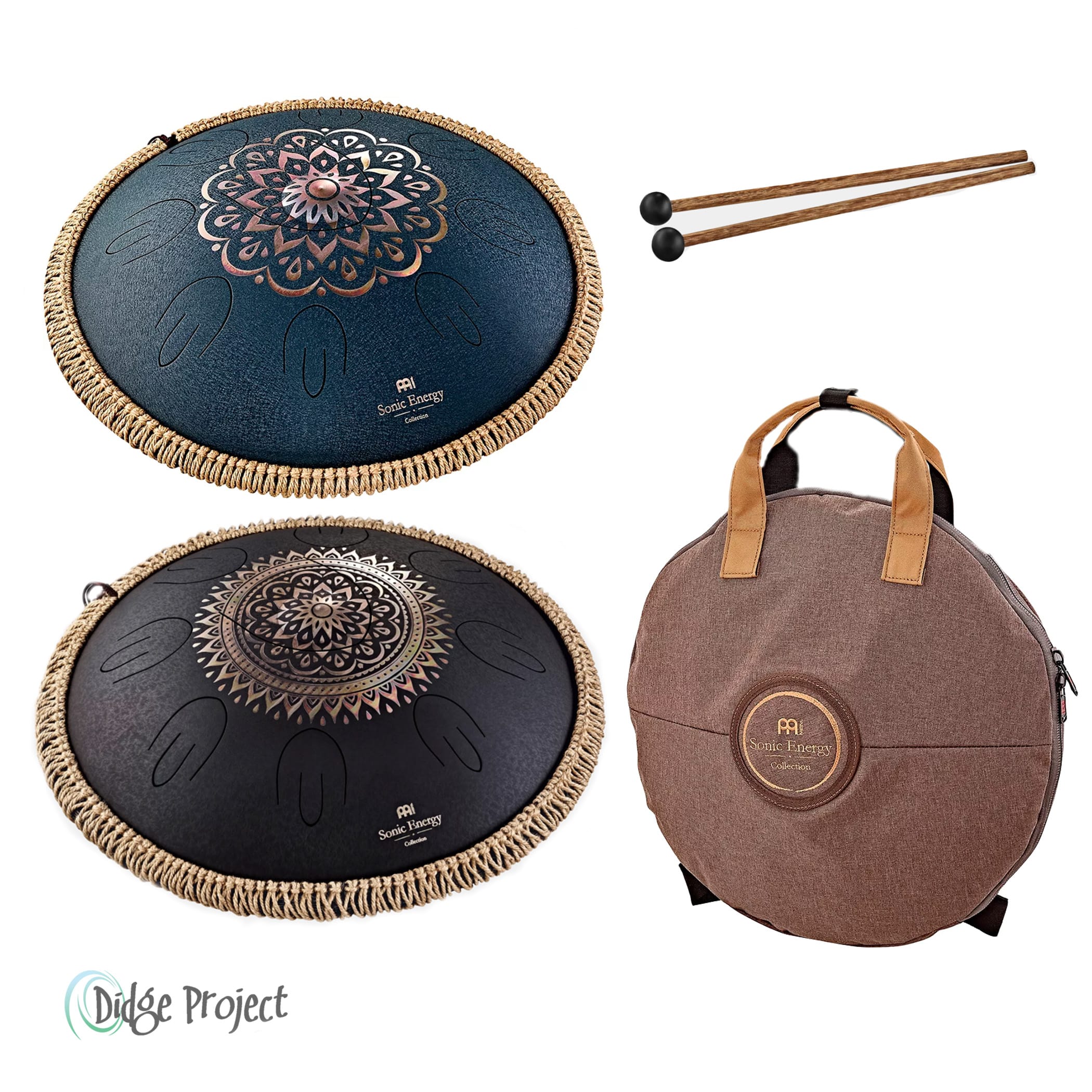
Imagine a spacious pavilion where stepping on specific zones triggers percussion tones akin to a clay pigeon’s sharp clap or where subtle hand gestures modulate the resonance of steel tongue drums, their metallic harmonics filling the air. These interactive experiences unveil novel relationships between human agency and architectural sound, fostering a holistic, multi-sensory awareness.
This tactility extends to communal experiences as well, where groups engage in orchestrated performances that unfold organically, echoing the rhythmic pulse of Venice as a living city. Such encounters highlight the sociocultural dimension of sound in public spaces, transforming the Biennale into a collective sonic dialogue.
Cultural Echoes: Sound as a Vessel of Memory and Identity
Sound here serves as a powerful vessel to traverse time and memory. The pavilions explore how sonic elements recall Venice’s layered histories—from maritime trade and carnival festivities to the poetry of gondoliers’ songs and the palpable silence of submerged ruins.
Curators and artists spotlight sound’s mnemonic potency, drawing on field recordings, oral histories, and archival materials remixed into evocative compositions. This interweaving preserves cultural identity by sonic means, challenging the primacy of visual historicism. Through these auditory archives, visitors can not only witness but hear Venice’s evolving narrative ripple through past and present.
The Biennale’s embrace of sound as cultural articulation amplifies the sensory dimension of heritage conservation, proposing innovative frameworks where listening becomes a form of historical engagement and creative reimagination.
Conclusion: Resonating Beyond the Horizon
The Venice Biennale Architettura 2025 redefines how the senses navigate and interpret the architectural realm. “Venice in a Different Octave” crafts a powerful synthesis: a multisensory voyage where visual form is inseparable from sonic texture, and where hearing becomes a lens through which the city’s essence is rediscovered anew.
This journey through resonant pavilions expands the boundaries of contemporary exhibition-making. It invites all who wander Venice’s storied streets to listen—not just to sound—but to the pulse, memory, and spirit embedded within its walls and waters. As visitors depart, the melodies and vibrations linger, a testament to a city perpetually reinvented, echoing on different octaves through time and imagination.


Leave a Comment