

The 2026 National Pavilions, soon to captivate global audiences, are set to unfurl a novel narrative—a vibrant tapestry of diasporic blues that promises not only to shift perspectives but to arouse an insatiable curiosity about identity, memory, and cultural metamorphosis. This year, the voices of displaced and dispersed communities converge under a shared refrain, amplifying the soulful cadence of their journeys across continents and generations. The diasporic blues, often whispered in melancholy undertones, here claim a deliberate spotlight, emerging as a profound thematic force that redefines how we engage with multicultural legacies and contemporary belonging.
The Resonance of Diasporic Blues: More Than Music
At its core, the diasporic blues encapsulates a melancholic reflection on displacement, longing, and resilience. It extends beyond the sonic realm, embodying a rich, emotive lexicon found scattered throughout art, literature, and performance within the pavilions’ offerings. This year’s National Pavilions pivot from conventional expositions, diving deep into the cultural symbiosis borne from displacement. The blues here is a metaphorical vessel carrying histories of migration, trials of assimilation, and the indomitable spirit of communities often relegated to the peripheries of dominant narratives.
By weaving these threads through exhibitions, performances, and immersive experiences, the pavilions breathe new life into a heritage that has long pulsed beneath the surface of mainstream discourse. This emergent narrative elevates diasporic blues to an act of both remembrance and revolution. It challenges audiences to reconsider “home” not as a fixed geography but as an evolving constellation of memory and identity.
Shifting Perspectives: Diaspora as Cultural Innovation
The 2026 exhibitions encourage visitors to dismantle preconceived notions about diaspora. Where once the focus lingered predominantly on loss and dislocation, the pavilions now foreground the potent creativity that arises from cultural hybridity. This approach pivots from traditional storytelling, replacing static historical recounting with dynamic, participatory dialogues.
Through multimedia installations and performance art, the diasporic blues become a living, breathing force. They exemplify how diaspora acts as a crucible for innovation, forging new artistic idioms and social paradigms. These explorations illuminate how transplanted traditions are not diluted but rather enriched, adapting to new environments and engendering transcultural synergies.
Such a paradigm shift promises to recalibrate how audiences interpret diaspora—not merely as sites of rupture but as fertile spaces of continual reinvention and intercultural exchange.
Exploring Identity and Belonging: The Human Tapestry
One of the most compelling aspects of the diasporic blues in the 2026 National Pavilions is its intricate interrogation of identity and belonging. The exhibitions probe the paradoxes of simultaneously belonging everywhere and nowhere, while affirming the plurality of diasporic identities.
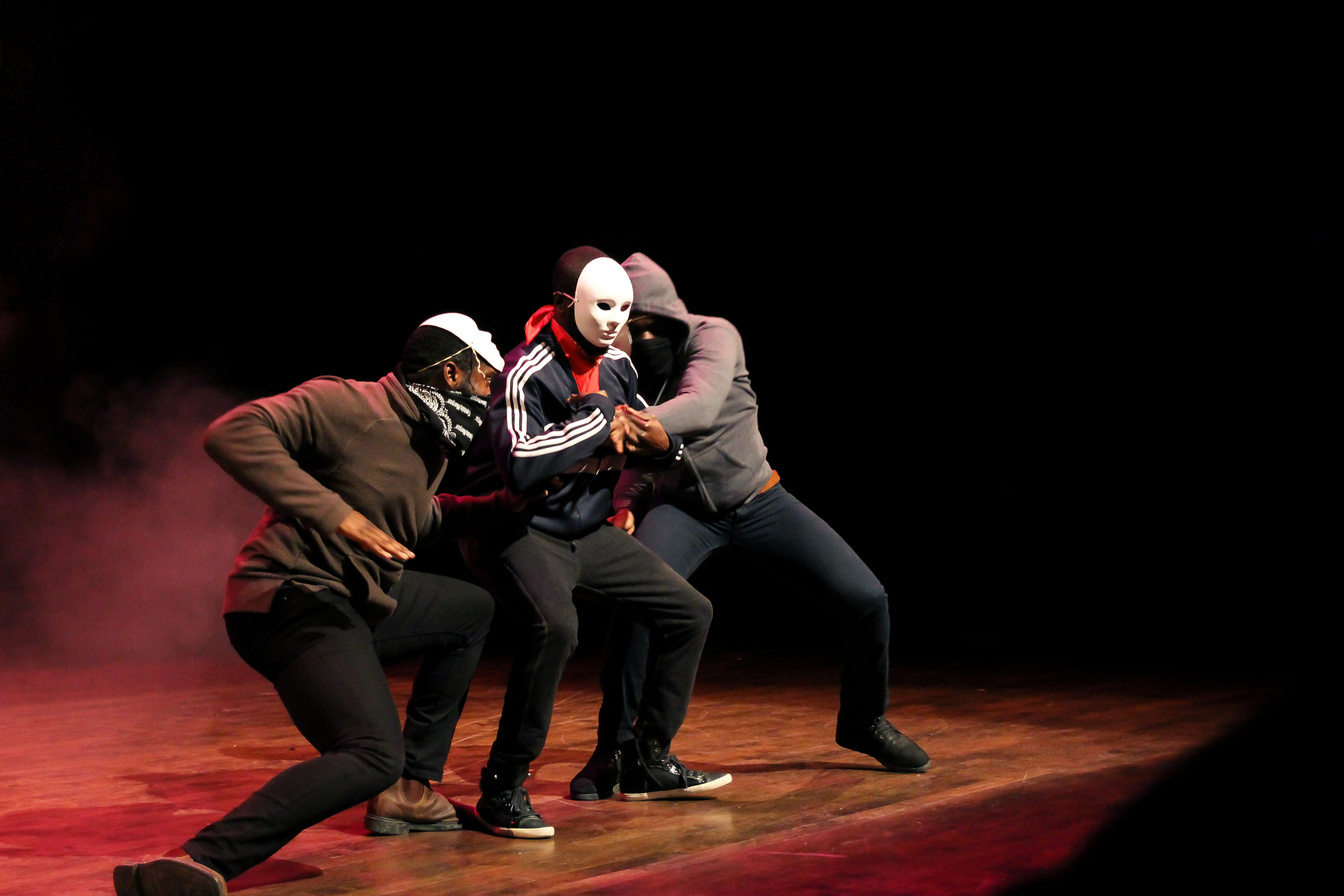
Through poignant narratives and vibrant artistic expressions, visitors confront the complexities of selfhood shaped by migration. The installations articulate fragments of memory—both painful and joyous—against a backdrop of collective endurance. They evoke the dual sense of dispossession and empowerment that defines many diasporic experiences.
Engagement with these stories fosters empathy and challenges binary representations of identity. It underscores how diasporic blues articulate a mosaic of cultural citizenships, accentuating fluidity instead of fixity. This offers an invaluable counterpoint to rigid nationalistic paradigms.
Performance as a Portal: Immersive Journeys into Diasporic Realities
Performance art, critical to the 2026 pavilions, functions as a portal into the emotional and psychological landscapes of diasporic blues. Live music, dance, and theater converge to embody the layered textures of cultural displacement. Each performance acts as a performative archive, recalling ancestral hopes and harboring contemporary aspirations.
These kinetic expressions dissolve barriers between performer and audience, beckoning participants into shared spaces of memory and re-imagination. The visceral power of the blues—its ability to communicate sorrow and joy through rhythm and lyricism—is harnessed to forge extralinguistic connections, transcending linguistic and cultural divides.
Consequently, performances become transformative experiences that not only recount history but actively construct new diasporic futures.
Curating the Future: National Pavilions as Epistemic Sites
The 2026 National Pavilions assume the role of epistemic sites where knowledge about diaspora is created, contested, and disseminated. Curators, artists, and scholars collaborate to transform these spaces into forums for alternative knowledges. By centering diasporic blues, the pavilions eschew monolithic narratives in favor of polyvocal testimonies.
This opening invites critical engagement with issues of power, memory, and representation. It also fosters cross-cultural dialogues, prompting visitors to question the politics of visibility and invisibility embedded within global cultural systems.
By reimagining how diasporic experiences are curated and shared, the pavilions contribute to a broader reckoning with historical erasure and cultural restitution, positioning themselves as catalysts for intellectual and emotional awakening.
Conclusion: An Invitation to Listen Deeper
The diasporic blues emerging from the 2026 National Pavilions beckon audiences to listen anew, to encounter the echoes of journeys both personal and collective. This festival of narratives and artistry promises a profound reorientation of understanding diaspora—not as a condition of lack but as an exuberant force of identity formation and cultural vitality.
The pavilions’ rich constellation of voices and expressions challenge viewers to expand their horizons and reconsider the boundaries of belonging. In doing so, they ignite curiosity about the enduring power of the blues—a sound and symbol that reverberates through the diasporic soul, forever entwining sorrow with hope, loss with creative resurgence.
Ultimately, the 2026 National Pavilions do more than showcase culture; they invite an active, empathetic listening that can transform perceptions and inspire a renewed appreciation for the complexity and beauty of diasporic life.


Leave a Comment