

Can the frenetic pace of contemporary art production truly satisfy our craving for depth, or has the “fast art” phenomenon left us yearning for something more enduring? As the world eagerly anticipates the 61st International Art Exhibition in 2026, commonly revered as the Biennale Arte, this question pulsates vividly through every corridor of Venice’s grand artistic arena. This landmark event dares to tiptoe beyond the ephemeral, positioning itself as both homage and challenge—a eulogy for the lightning-quick churn of today’s creative outputs.
The Biennale Arte 2026: A Sanctuary Amidst the Rush
Venice’s Biennale has long been a crucible of profound artistic exploration, a sumptuous tapestry woven with visionary threads from epochs past and present. For 2026, it promises to embody an artistic antidote to the superficial blizzard sweeping modern galleries—the rapid-fire cycle of disposable art pieces that captivate momentarily but dissipate just as swiftly. Here, the exhibition becomes a bastion of considered creativity, compelling artists and spectators alike to linger, absorb, and reflect.
By inviting works that luxuriate in complexity rather than instant gratification, the Biennale evokes an era where art’s value was measured by depth and endurance. This paradigm shift is less a repudiation of innovation and more a clarion call to balance speed with substance.
Challenging the Spectator: From Passive Consumption to Active Engagement
What becomes of an audience habituated to swiping through images in seconds when confronted with a piece demanding hours—or days—of contemplation? The 2026 Biennale challenges this very condition. It motivates a form of ‘slow looking,’ an antidote to rapid consumption that invites viewers to disentangle layers of nuance, symbolism, and emotion.
This exhibition spotlights the tension between instant accessibility and slow revelation, urging visitors to embrace puzzlement and ambiguity rather than seek immediate answers. The goal? To transform passive consumers into active participants in meaning-making processes. In an era where attention spans contract, such a demand becomes nothing short of radical.
Thematic Currents: “In Minor Keys” Echoing Through Venice
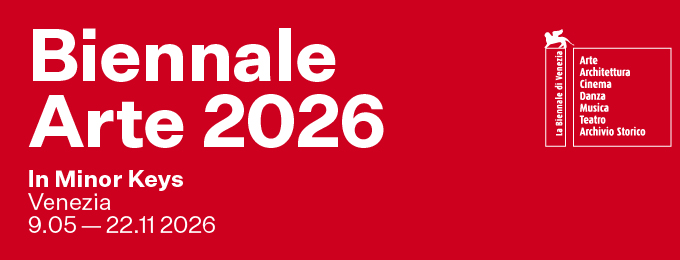
The 2026 iteration ushers in “In Minor Keys,” a thematic exploration that delves into subtlety, understatement, and the quiet power of the less assertive. This motif is far from subdued; rather, it challenges loud, overt spectacles by highlighting the potency of nuance and delicate impermanence.
Artworks under this banner are likely to evoke fleeting moments, soft textures, and elusive moods—elements that resist full capture in a single glance or fleeting digital snapshot. This allegiance to minor tonalities metaphorically rebukes the flashy immediacy of fast art, favoring the poetic over the prolific.

Fast Art vs. Enduring Art: A Dialectic Recast
“Fast art” has emerged from the digital age’s relentless demand for novelty—art produced, consumed, and discarded at dizzying velocity. Social media platforms champion brevity and virality, often sidelining profundity in favor of impact. While democratizing access, this tempo risks eroding art’s contemplative soul.
The 2026 Biennale stages a dialectic between this tempest of rapidity and an antithetical reverence for durational creation. It invites reflection on the artist’s role—is the creator a factory churner or a shaman invoking timeless truths? Through its carefully curated presentations, the event foregrounds art’s potential as both a cultural artifact and a vessel for enduring human experience.
Venetian Backdrop: History and Innovation Intertwined
Venice offers an impeccable backdrop—its historic palazzos and labyrinthine canals whispering tales of centuries-old artistry and craftsmanship. This setting amplifies the Biennale’s meditation on temporality, juxtaposing the ageless cityscape against contemporary endeavors to decelerate artistic production.
The city’s own resilience against tides—both literal and metaphorical—mirrors a collective artistic effort to withstand the flood of transient trends. The Venice Biennale becomes not just an exhibition, but an evocative dialogue with place and time.

The Potential Challenge: Can Slow Art Survive in the Digital Age?
This philosophical and practical challenge looms large. Amid the ceaseless hum of digital notifications and the commodification of art into quick likes and shares, is there space for slow art to flourish? Does the global art market possess the patience to nurture ideas that demand more than a swipe?
The 2026 Biennale boldly posits that it can. By curating with intention and engendering environments that privilege reflection over reaction, it cultivates a proving ground for slow art’s viability. The event thus acts as a crucible, testing whether the art world can recalibrate its rhythm and reembrace depth.
Looking Forward: The Legacy of the 2026 Biennale
As visitors depart and artworks settle into the annals of history, the Biennale’s impact will continue to resonate. Its true legacy may well be the cultivation of a renewed appreciation for art crafted and consumed with patience, inviting future generations to champion creative tempo over mere tally.
In this way, the 61st International Art Exhibition transcends temporal boundaries, reminding us that in art—as in life—speed does not always equate to substance. Sometimes, the most profound experiences unfold in the quiet spaces, the minor keys, that linger long after the crowd has moved on.
In asking if fast art has exhausted its potency, the 2026 Biennale offers a powerful rejoinder: that art’s true vitality lies in its capacity to endure, to provoke, and to inspire beyond the fleeting.


Leave a Comment