

In a world increasingly orchestrated by algorithms, there exists a vibrant sanctuary where creativity defies code and art pulses with an untamable spirit. This is the realm of the anti-algorithm aesthetic—a chaotic symphony of human absurdity and imaginative rebellion that no machine could ever dream of replicating. It is an arena where imperfections bloom into masterpieces, and the unpredictable cadence of human emotion dismantles the carefully engineered predictability of artificial intelligence. Here, artistic expression transcends data sets and formulas, becoming a kaleidoscope of nuanced, idiosyncratic brilliance.
The Unruly Soul of Human Creativity
At the heart of this aesthetic lies an unruly soul—an irrepressible force that thrives on spontaneity, contradiction, and the unique quirks birthed from human experience. Unlike AI, which is bound by pattern recognition and statistical probability, humans create from a place of lived complexity and deeply personal chaos. Imagine art as a wild garden, untamed by pruning shears or algorithms, where unpredictable blooms and entangled vines grow in glorious disarray. This garden is not designed to optimize or strategize; it grows messy, authentic, and raw. It tells stories tangled in paradoxes, where beauty is often inseparable from the absurd.
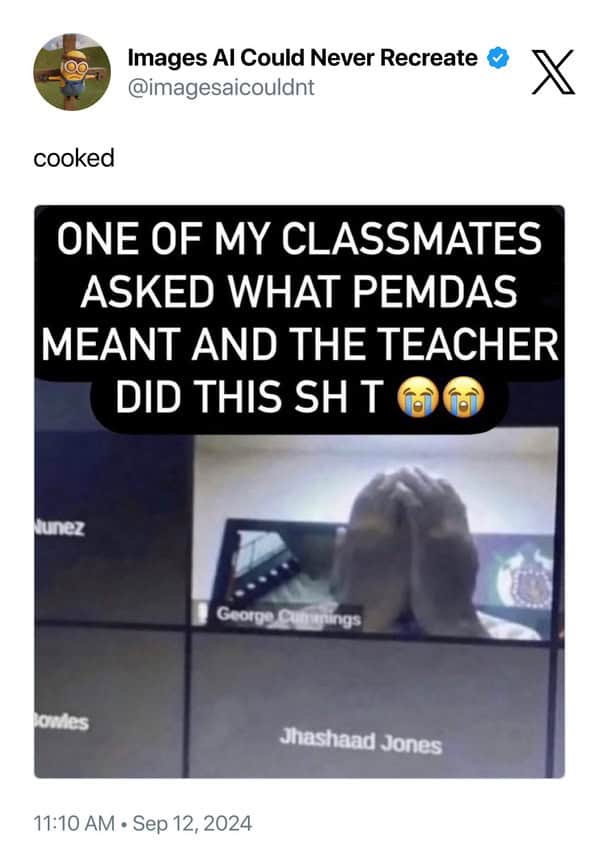
From Algorithmic Precision to Human Absurdity
Algorithms excel in precision. They dissect and reconstruct, meticulously weaving data into coherent patterns. But therein lies their limitation. Art born from the anti-algorithm ethos revels in breach and anomaly. Its appeal is an exquisite defiance—it is art that shatters expectations, refuses symmetry, and embraces the bizarre. Think of it as a carnival mirror reflecting distorted, exaggerated images that compel laughter, discomfort, and awe simultaneously. This absurdity is not a flaw but a hallmark of human creativity, a language machines cannot decipher or replicate fully.
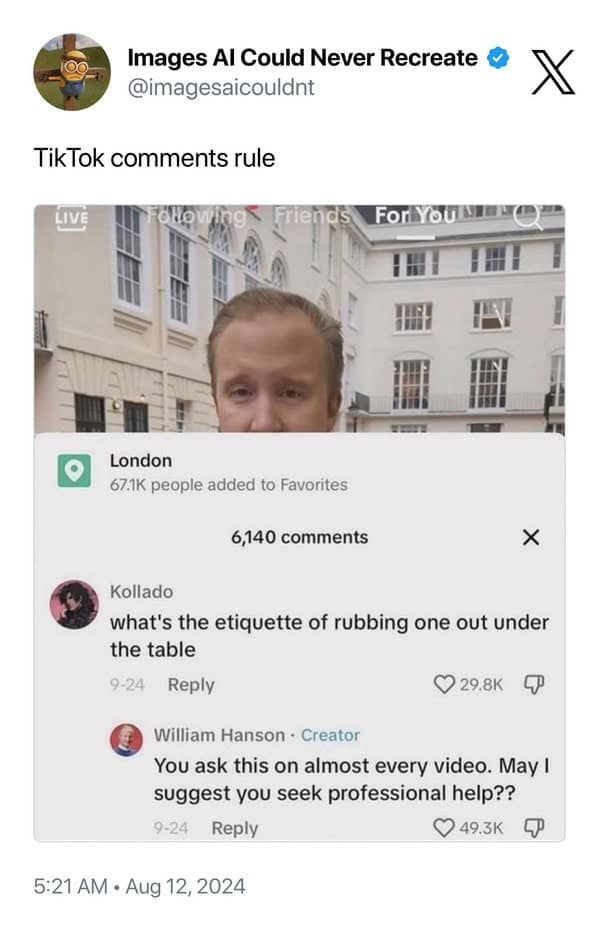
The Linguistics of Imperfection
Language, much like visual art, bears the fingerprints of human imperfection. The anti-algorithm aesthetic communicates through a dialect rich with idiosyncrasies, ambiguity, and subtle contradictions. It’s a dialect shaped by nuance, emotion, and serendipitous errors that form new meanings. Machines may parse syntax and semantics, but they cannot intuit the emotional subtext or the playful irony interwoven into a seemingly nonsensical piece. These “mistakes” often yield the most profound and evocative works—artifacts of human vulnerability and a testimony to the beautifully imperfect journey of self-expression.
The Magnetic Appeal of the Absurd
There is a magnetic appeal in art that defies logic and expectation. The anti-algorithm aesthetic seduces with its unpredictability, drawing viewers into a labyrinth where sense and nonsense engage in an intricate dance. This dance invites introspection—challenging us to question the boundaries between chaos and order, genius and folly, reality and imagination. In a digital era dominated by homogenized content churned out at breakneck speed, these works stand as monuments to the human capacity for wonder, eccentricity, and rebellion against uniformity.
Artifacts Beyond Replication
Consider the artworks that AI cannot recreate—not because of technical incapacity alone but due to an intrinsic limitation: a lack of lived human context. The subtleties of cultural nuance, personal history, and spontaneous emotional resonance are embedded within these creations. They are puzzles constructed from the fragments of a singular consciousness, elusive for any algorithmic mind to fully decode. These artifacts celebrate entropy, the unforeseen glitches that add texture and soul, and the irrational choices that yield brilliance. They underscore an irrefutable truth—art is not solely about generation but about authentic human experience.

Navigating the Future of Artistic Identity
As AI continues to evolve, the tension between machine-generated and human-created art intensifies. The rise of the anti-algorithm aesthetic suggests a profound cultural shift—an uprising against uniformity and mechanized creativity. It urges artists and audiences alike to cherish the anomalies, the weird little imperfections that breathe life into art. In this struggle, the future of artistic identity is not a binary of human versus machine but a complex dialogue that celebrates difference and the unpredictable flourishes of the human hand.
Embracing the Beyond-Algorithm Experience
Engaging with this art requires embracing ambiguity and mystery—relinquishing the desire for perfect understanding or neat categorization. It invites one to revel in the peculiar and the paradoxical, to find joy in the absurd textures of human imagination. The anti-algorithm aesthetic is more than a style—it is a manifesto for preserving the ineffable, for keeping alive the wild pulse of human creativity that no algorithm’s cold logic can touch. It is a clarion call to honor art as a deeply human act, imbued with contradictions, imperfections, and infinite possibility.
In this uncharted territory, art becomes a celebration of humanity’s irrepressible spark—a spark that flickers wild and free, forever eluding the grasp of algorithmic thought. It reminds us that while machines can mimic patterns, they cannot recreate the splendid, chaotic mosaic of human absurdity that fuels true creative genius.


Leave a Comment