

In an era saturated with endless streams of information and constant digital noise, the creative mind often yearns for a method to break the shackles of convention. Enter the cut-up technique, an ingenious practice that has captived artists, writers, and innovators alike. Far beyond a mere gimmick, this deliberate deconstruction and recombination of text or images unearths new patterns, meanings, and inspirations. It addresses a common human observation—the frustration of creative blocks and the desire to see the familiar in unexpected ways. Beneath this fascination lies a profound interplay between chaos and order, randomness and intention, offering a wellspring of innovation that feels both ancient and startlingly modern.
The Origins and Evolution of the Cut-Up Technique
The technique’s roots trace back to the avant-garde movements of the early twentieth century, springing from a need to disrupt traditional narratives and deterministic thinking. Although popularized by figures in the Beat Generation and the London counterculture of the 1960s, the ethos behind the cut-up method reverberates across history’s creative experiments. By physically slicing printed materials and rearranging fragments at random, practitioners wrest control away from linear, author-centric storytelling, opening doors to subconscious revelations.
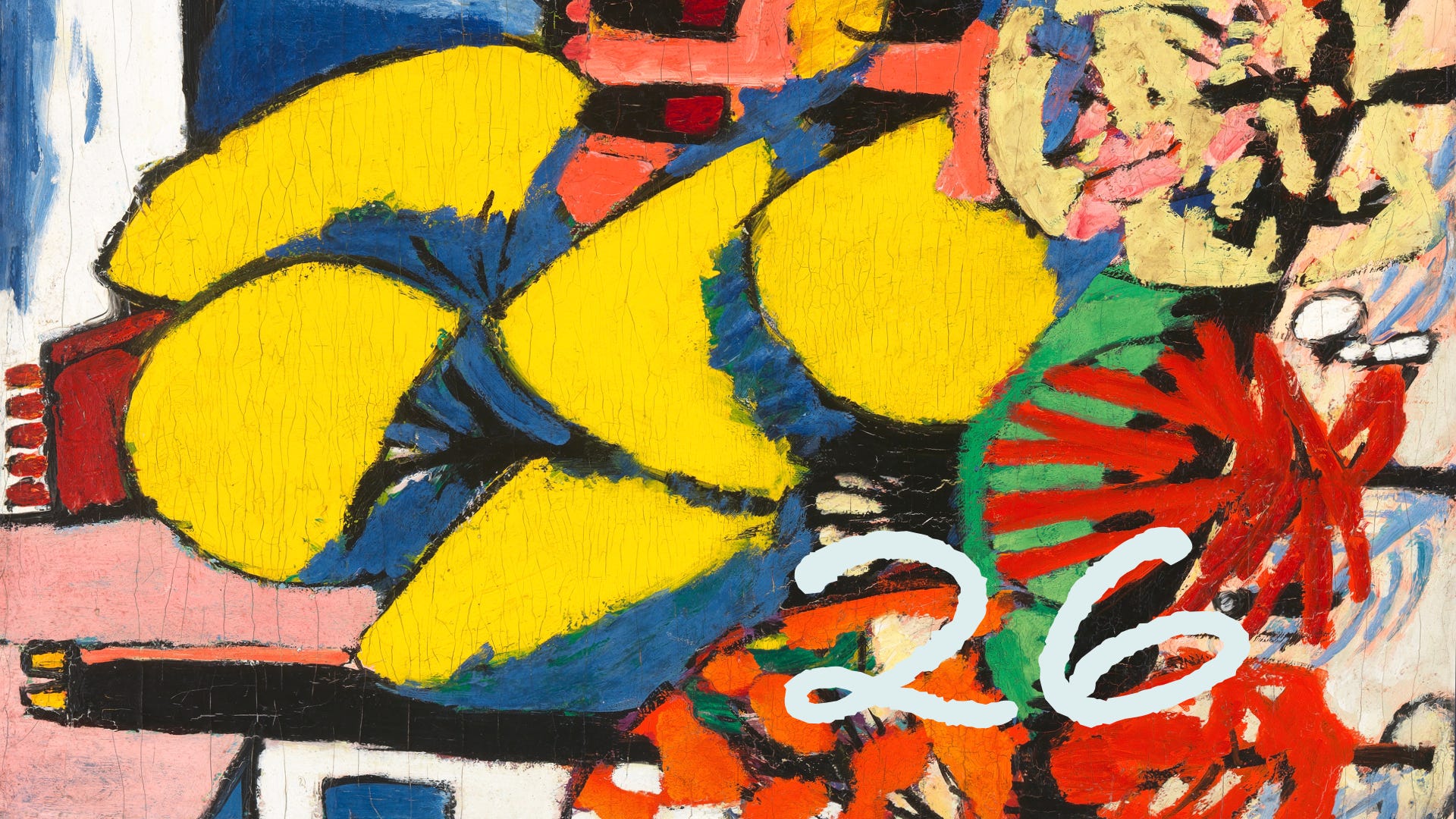
Its resurgence in recent times is no accident. In 2026, this practice enjoys newfound prominence, becoming a go-to method for creatives craving originality amidst a sea of predictable content. The technique’s uncanny ability to defamiliarize and recontextualize language and imagery resonates deeply in a world overwhelmed by data overload, infinite scrolling, and algorithm-defined aesthetics.
Why the Cut-Up Technique Enchants the Creative Psyche
One might wonder why a seemingly chaotic scramble of texts holds such allure. At the surface, it’s intuitive: breaking patterns jolts the brain out of autopilot, forcing unexpected connections. But beneath this lies an irresistible duality. The cut-up method dances between intuition and analysis, unconscious impulses and conscious design.
When the familiar is fragmented and shuffled, it momentarily upends the expected meaning. The resulting juxtapositions challenge our cognitive faculties, manifesting a kind of linguistic or visual serendipity. We are drawn to this because it mirrors a fundamental human experience—the search for meaning amid randomness. There is an almost mystic quality to these fragments when they coalesce into something new yet resonant.
Applications Across Mediums: From Literature to Digital Art
The versatility of the cut-up technique is nothing short of remarkable. While its literary uses are well-documented—generating poetry, prose, or stream-of-consciousness narratives—it has gracefully transcended into numerous artistic spheres. Visual artists employ the method to collage photographs and printed matter, producing layered works teeming with hidden narratives and emotional nuance.
Digital creatives now harness software tools to algorithmically perform cuts and rearrangements, pushing the boundaries of randomness and controlled chaos. This hybrid of analog serendipity and digital precision amplifies the potential for undiscovered stylistic frontiers in graphic design, filmmaking, and music sampling. The cut-up technique’s ethos synergizes beautifully with the remix culture that dominates creative expression today.
The Psychological Underpinnings: Creativity, Disruption, and Flow
What makes the cut-up method particularly potent is how it aligns with cognitive processes linked to creativity. Psychologists recognize that novelty often arises from disrupting existing schemas—mental frameworks that dictate expectations. By forcibly remixing stimuli, the cut-up technique serves as a catalyst for divergent thinking, the mental tool often cited as key to innovation.
Moreover, practitioners frequently report entering a state akin to flow, where the boundaries between conscious intention and unconscious emergence blur. This state elevates creative output, allowing insights to surface naturally rather than through arduous deliberation. The unpredictability of results means that creators are often pleasantly surprised by their own work, which can rekindle excitement and motivation.
How to Integrate the Cut-Up Technique in Your Creative Practice
Embracing the cut-up method needn’t be daunting. Begin by selecting texts or images meaningful or provocative to you. These need not be pristine; newspapers, magazines, or printed digital content suffice. The key lies in physical or virtual fragmentation—cut sentences, words, or phrases into discrete pieces.
Once deconstructed, rearrange these fragments intuitively or using randomization. Allow unexpected combinations to sit without immediate judgment. Often, the magic happens in the moments where coherence teeters on the edge of chaos, compelling your mind to forge new narratives or aesthetic sensibilities.
Innovators often augment the technique by layering multiple iterations, combining visual and auditory elements, or collaborating with others to inject multiplicities of perspective. This synergistic play fosters not only personal breakthroughs but can also generate work that engages audiences in fresh, immersive ways.
The Cultural Resonance: Why 2026 is the Year of the Cut-Up
The ascendance of this method in 2026 is a reflection of broader cultural currents. In a world overwhelmed by algorithm-driven content and homogeneous media, the cut-up technique reintroduces chance and unpredictability. It subverts the polish of mass-produced creativity, offering raw, jagged fragments filled with possibility.
Moreover, its democratizing essence—anyone can cut, rearrange, and create—aligns with the ethos of participatory culture. This fosters a collective reclamation of narrative control and artistic agency, pushing back against homogenization. The method’s temporal pertinence is assured by growing interest in mindfulness, deconstructionism, and hybrid forms of storytelling.
Conclusion: Embracing the Unpredictable Path to Innovation
The cut-up technique is far more than an antiquated artistic curiosity; it embodies a philosophy of perpetual reinvention. In embracing fragmentation, chaos, and serendipity, it unlocks creative reservoirs that linear thinking seldom accesses. Its popularity in 2026 signals a craving for methods that honor the unpredictable heartbeat of originality.
For anyone seeking to invigorate their creative process or to gaze at the world through refracted lenses, the cut-up technique offers a profound invitation. It is a method that disrupts complacency, rekindles wonder, and reminds us that sometimes the most meaningful stories emerge precisely when we let go of control and embrace the beautiful disorder of possibility.


Leave a Comment