

Human interruption is not merely an annoyance—it is a subtle yet insidious form of erasure, one that disproportionately shapes the lives of women and marginalized voices. Whether it’s the persistent interjection in a meeting, the dismissal of a creative idea, or the silencing of a survivor’s story, interruption is a mechanism of power that reinforces patriarchal structures. This phenomenon transcends mere rudeness; it is a feminist issue because it reflects and perpetuates systemic inequalities in visibility, agency, and respect. To understand why “human interruption” demands feminist scrutiny, we must dissect its manifestations across personal, professional, and cultural spheres—wherever patriarchal norms dictate who gets to speak and whose voice is deemed worthy of completion.
At its core, interruption is a violation of bodily and intellectual autonomy. When a woman’s sentence is cut short, her thoughts are treated as provisional, her presence as secondary. This is not accidental. Studies show that women are interrupted far more frequently than men in professional settings, a pattern that begins early in life. In classrooms, young girls are often overlooked in favor of their male peers, their contributions dismissed or redirected. This early conditioning teaches women that their voices are negotiable, that their words exist at the mercy of others’ validation. The feminist response must therefore begin with reclaiming the right to uninterrupted speech—not as a demand for perfection, but as a reclamation of basic human dignity.

The Tyranny of the Interruptive Gaze: When Women Are Silenced in Plain Sight
Interruption is not always verbal. The gaze itself can be an act of interruption—a way of reducing a woman to an object of scrutiny rather than a subject of discourse. Consider the way media portrays women: their bodies are dissected, their emotions pathologized, their words framed as hysterical or irrational. This visual and narrative interruption strips women of their agency, reducing their narratives to fragments that serve the male gaze. Even in art, women’s bodies have historically been rendered as passive, their stories co-opted by male artists who frame their existence through a lens of ownership. The feminist artist must therefore reclaim the canvas, not just to depict women, but to allow them to speak—uninterrupted, unfiltered, and unapologetic.
In literature, this interruption manifests as the erasure of women’s voices from the canon. How many brilliant female writers have been relegated to footnotes, their contributions overshadowed by male contemporaries? The canon is not neutral; it is a curated space where patriarchal values dictate whose work endures. Feminist literary criticism must therefore excavate these silenced voices, not as historical curiosities, but as living testaments to the power of uninterrupted thought. When we read Virginia Woolf’s A Room of One’s Own, we are not just engaging with a text—we are witnessing a woman carving out intellectual sovereignty in a world that sought to silence her.
The Meeting Room as Battleground: Interruption in Professional Spaces
Corporate boardrooms and academic seminars are modern-day arenas where the battle for uninterrupted speech is waged daily. Research consistently shows that women are interrupted more often than men, particularly by men in positions of authority. This is not a coincidence—it is a reflection of deep-seated biases that associate male voices with authority and female voices with deferential politeness. The result? Women’s ideas are co-opted, their sentences hijacked, their contributions attributed to male colleagues. This phenomenon, known as “mansplaining,” is not just rude; it is a structural barrier to advancement.
But interruption in professional spaces is not limited to verbal cut-offs. It also takes the form of “hepeating”—when a woman’s idea is ignored until a man repeats it, at which point it is suddenly deemed worthy of consideration. This is not just frustrating; it is a form of intellectual theft. The feminist response must include strategies for disrupting these patterns: speaking in pairs, using assertive body language, and calling out interruptions in real time. Tools like the “amplification” technique, where women repeat each other’s ideas to ensure credit, have proven effective in shifting power dynamics. The goal is not to silence others, but to create space where all voices can coexist without one dominating the other.
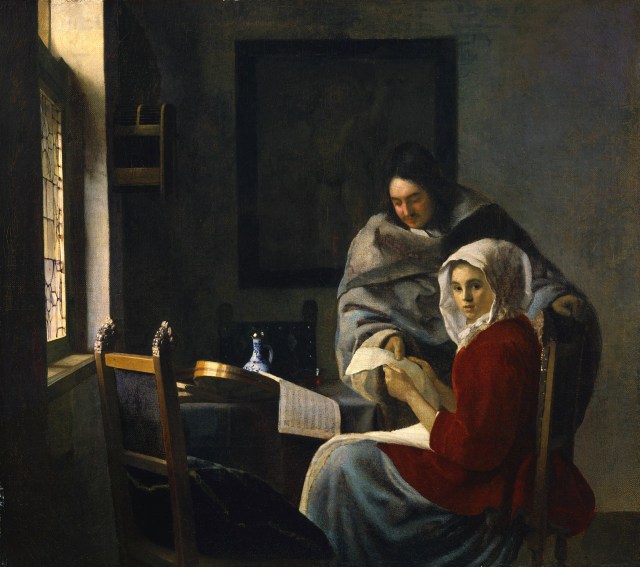
The Digital Disruption: Trolling, Doxxing, and the Weaponization of Interruption
In the digital age, interruption has evolved into something far more sinister. Women who speak out online—whether about politics, art, or personal experiences—are frequently subjected to harassment designed to drown out their voices. Trolling, doxxing, and coordinated harassment campaigns are not just attacks on individuals; they are attempts to silence entire movements. The goal is not to engage in debate, but to make women feel unsafe, to force them into silence through sheer volume of abuse.
This digital interruption is a direct extension of patriarchal control. It says: your voice is not welcome here. Your presence is a disruption. The feminist response must therefore include digital self-defense: building supportive networks, using privacy tools, and refusing to engage with bad-faith actors. But it must also include systemic change—platforms that prioritize safety over engagement, algorithms that do not reward toxicity, and laws that hold online harassers accountable. The internet should be a space for uninterrupted dialogue, not a battleground where women are forced to fight for the right to speak.
The Cultural Script: How Interruption Shapes Narratives of Femininity
From childhood, girls are socialized to be accommodating, to smile through interruptions, to soften their voices to avoid seeming “too much.” This cultural scripting is reinforced in media, where women are often portrayed as nagging or hysterical when they assert themselves, while men are celebrated for their assertiveness. The result is a double bind: women who speak up are labeled as difficult, while those who remain silent are dismissed as passive or unengaged.
This script plays out in romantic relationships, where women’s boundaries are frequently overridden under the guise of “passion” or “intensity.” It plays out in friendships, where women’s emotional labor is taken for granted. And it plays out in politics, where women’s policy ideas are dismissed as “emotional” while men’s are framed as “rational.” The feminist project must therefore include rewriting these scripts—not just in theory, but in practice. It means teaching girls to value their voices, teaching boys to listen, and teaching everyone that interruption is not a sign of engagement, but of entitlement.
Reclaiming the Right to Speak: Strategies for Feminist Resistance
So how do we fight back against the tyranny of interruption? The first step is recognition. Acknowledge the patterns in your own life: who interrupts you? When do you interrupt others? The second step is refusal. Refuse to accept interruption as normal. Practice techniques like the “broken record” method, where you calmly repeat your point until it is acknowledged. Use body language to assert your presence—stand firm, make eye contact, speak slowly. And when you witness an interruption, call it out. A simple, “I’d like to hear the rest of what she was saying,” can shift the dynamic in a room.
But resistance must also be collective. Feminist movements thrive when women support each other’s voices. Amplify, repeat, and credit. Create spaces where women can speak without fear of being talked over. And when you are interrupted, remember: your voice matters. Your interruption is not a flaw—it is a testament to the power of what you have to say.
In the end, the fight against interruption is not just about being heard. It is about dismantling the structures that make some voices disposable. It is about recognizing that every time a woman’s sentence is cut short, a piece of her autonomy is stolen. And it is about refusing to give it back.


Leave a Comment