

From the shadowy alcoves of ancient curiosity cabinets to the brightly lit platforms of social media shelves, miniatures have captured human imagination in ways both subtle and profound. This miniature renaissance is not merely a revival of tiny art forms but serves as a portal into our collective psyche—revealing an insatiable urge to collect, display, and decode the world in manageable fragments. At a glance, decorative knickknacks and paper figurines might seem trivial, but beneath that veneer lies a labyrinth of meaning and cultural significance.
The Origins of Obsession: Cabinets of Curiosities
Centuries ago, the cabinet of curiosities emerged as a tangible manifestation of intellectual hunger and wonder. These eclectic repositories, adorned with rare artifacts, natural specimens, and peculiar oddities, acted as microcosms of the known universe, meticulously compressed into confined spaces. They were not simply collections but cryptic narratives, weaving together the marvels and mysteries that eluded mainstream scientific classification. Each item was a story, an enigma, inviting the viewer to decipher its place within the grand tapestry of existence.
The allure of these cabinets extends beyond mere hoarding; they symbolize an early human attempt to impose order upon chaos. By curating the vast complexities of life into a tangible assemblage, collectors found comfort in control and a quiet exhilaration in discovery. This psychological dance between dominance and exploration continues to inform modern fascination with miniatures.

Miniatures as Storytellers and Time Capsules
Miniatures encapsulate narratives with an intimacy no grand sculpture or sprawling canvas can boast. Their scale demands attention to detail and invites close inspection, fostering a personal connection between the object and the observer. This relational intimacy transforms miniature objects into storytellers, whispering tales of their origins, creators, and the cultures they represent.
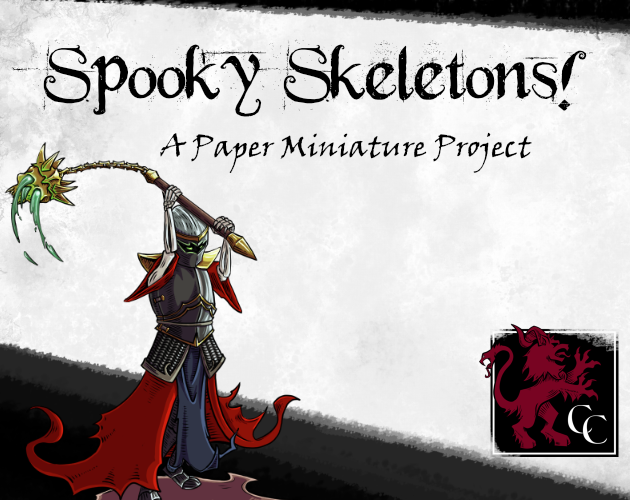
Moreover, these tiny forms act as temporal anchors—preserving cultural memories and aesthetic sensibilities of eras gone by. Whether handcrafted paper skeletal figures embodying festive folklore or intricate dollhouse artifacts reminiscent of Victorian domesticity, miniatures become time capsules, allowing contemporary audiences to engage with history on a tactile level. This tactile engagement revitalizes stories that might otherwise be dilapidated by time.
The Psychological Resonance of Miniaturization
The human psyche harbors a peculiar affinity for diminutiveness. Psychologists cite several reasons behind this enchantment. Miniatures provide a sense of mastery over vast, complex systems—shrinking the overwhelming into the comprehensible. This act of reduction is also a mnemonic strategy, facilitating memory retention by condensing elaborate concepts into symbolic, easily digestible forms.
Additionally, the compactness of miniatures triggers caregiving instincts, activating empathy and protective sentiments. This explains why these tiny artifacts often evoke warmth and nostalgia, acting as comfort objects or tokens of identity. The juxtaposition of fragility and detail also instills a form of reverence in viewers, encouraging mindful observation in a fast-paced world.
The Millennial Shelfie: A Modern Echo of Ancient Practices
In the contemporary era, the “shelfie”—the artful presentation of personal possessions on shelves and within curated spaces—resonates deeply with the ancient practice of assembling cabinets of curiosities. Millennials and Gen Z have transformed this digital and physical curation into a form of self-expression, storytelling, and community building.
Far from random clutter, every chosen artifact—be it books, plants, trinkets, or petit objets d’art—embodies layers of meaning and personal history. Social media platforms have amplified this phenomenon, turning shelves and miniature collections into shareable narratives of identity, aspiration, and aesthetic philosophy. The shelf becomes a canvas, where each item is a brushstroke contributing to an ongoing self-portrait.

Technological Revival and Artisanal Rebirth
The advent of digital fabrication and online marketplaces has breathed new life into the miniature renaissance. Artists and hobbyists now seamlessly blend traditional craft techniques with cutting-edge technology to create intricately detailed models and replicas. From laser-cut paper miniatures to 3D-printed figurines, this convergence empowers creators to push the boundaries of scale and detail while maintaining artisanal uniqueness.
Furthermore, the democratization of creation tools has sparked vibrant communities dedicated to miniature craftsmanship, fostering knowledge exchange, innovation, and collaboration. This resurgence is not mere nostalgia but a reinvention—honoring the meticulous handwork of the past while embracing contemporary aesthetics and narratives.
Why Miniatures Matter Today
In an era characterized by rapid digital consumption and ephemeral interactions, miniatures offer a counterbalance—a tangible connection that invites pause and reflection. They anchor us in physicality and history, providing evocative touchpoints amid intangible virtual experiences. Beyond their decorative function, these small-scale creations serve as gateways into broader dialogues about identity, memory, and the human urge to contextualize existence.
The miniature renaissance also invites a reconsideration of value—reminding us that significance does not solely reside in grandeur but often thrives in minutiae. This shift challenges prevailing narratives that equate scale with importance and encourages a more nuanced appreciation for craftsmanship, curation, and personal meaning.
Ultimately, the journey from cabinet of curiosities to the millennial shelfie charts a fascinating cultural trajectory—one that intertwines curiosity, creativity, and the enduring human desire to shape and share our stories. In embracing the miniature, we find a profound testament to the richness of perspective that small things can embody.


Leave a Comment