

The art world is a vast, ever-shifting ecosystem—one that thrives on chaos as much as it resists it. Like an immune system, it must constantly adapt to threats, toxins, and external pressures, purging what no longer serves its vitality while embracing the unpredictable, the disruptive, the unfiltered. Chaoticism, in this context, isn’t mere disorder; it’s a deliberate rebellion against stagnation, a force that keeps the creative bloodstream flowing. It’s the art world’s way of saying: *We will not be silenced by convention.* From the frenetic brushstrokes of abstract expressionism to the raw, unfiltered voices of underground zines, chaoticism ensures that art remains alive, breathing, and—most importantly—unpredictable.
But what does chaoticism truly look like in practice? How does it manifest across different mediums, movements, and moments? And why does it matter now more than ever? Let’s dive into the labyrinthine depths of this phenomenon, exploring its many faces and the ways it keeps the art world from collapsing under the weight of its own traditions.
The Defiant Stroke: Abstract Expressionism and the Language of Spontaneity
Abstract expressionism wasn’t just a movement—it was a revolution. Born in the post-war chaos of the 1940s and 50s, it rejected the rigid structures of academic art, opting instead for the visceral, the emotional, the unplanned. Artists like Jackson Pollock and Willem de Kooning didn’t just paint; they *acted* on canvas, their canvases becoming battlegrounds of color, texture, and raw energy. The drip paintings of Pollock, in particular, were less about composition and more about the physical act of creation—a chaotic dance between artist and medium.
This wasn’t art for the faint of heart. It was messy, unpredictable, and often infuriating to critics who demanded order. Yet, it was precisely this chaos that made it revolutionary. Abstract expressionism proved that art didn’t need to be tamed; it could be wild, untamed, and still hold meaning. It was a middle finger to the idea that art had to be neat, controlled, or easily digestible. In doing so, it inoculated the art world against the virus of complacency.

The Subversive Zine: Underground Publishing as a Chaotic Immune Response
While high art often gets the spotlight, the real immune response to artistic stagnation happens in the shadows—where zines, DIY publications, and self-published works thrive. These are the unsung heroes of chaoticism, the guerrilla fighters of the art world. Unlike glossy magazines or institutional publications, zines are raw, unfiltered, and often produced in limited runs. They don’t ask for permission; they take it.
Take, for example, the punk zine scene of the 1970s and 80s. Bands like the Sex Pistols and Black Flag didn’t just make music—they created visual chaos through their fliers, album art, and DIY publications. These weren’t polished products; they were screams into the void, declarations that art didn’t need to be sanitized for mass consumption. Today, the spirit lives on in digital zines, Instagram art drops, and even NFT-based experimental projects. Each one is a tiny rebellion, a reminder that art doesn’t need gatekeepers.

Digital Glitches and the Aesthetic of Controlled Collapse
The internet promised order—categorized feeds, algorithmic curation, the illusion of control. But like any immune system, the art world found a way to mutate in response. Enter glitch art, digital distortion, and the aesthetic of controlled collapse. Artists like Refrakt and Rosa Menkman have turned digital errors into a new form of expression, embracing the beauty of corruption, corruption, and unintended consequences.
Glitch art isn’t just about breaking technology; it’s about exposing its fragility. It’s a reminder that even in a hyper-connected world, chaos is never far away. These works force viewers to confront the instability of digital systems, turning what could be seen as a flaw into a feature. In doing so, they challenge the idea that art must be flawless, pristine, or perfectly executed. Instead, they celebrate the beauty of the broken, the fragmented, the incomplete.
The Performance of Disorder: When Art Becomes an Immune Response
Performance art has long been a playground for chaos. From Marina Abramović’s endurance tests to the anarchic happenings of the Fluxus movement, artists have used their bodies and spaces to disrupt the status quo. But what if the chaos isn’t just a byproduct of the performance—what if it *is* the performance?
Consider the work of artists like Bas Jan Ader, who disappeared during a solo transatlantic crossing, or Yoko Ono’s *Cut Piece*, where audience members were invited to cut away at her clothing. These aren’t just performances; they’re immune responses to the idea that art must be contained, controlled, or easily categorized. They force viewers to confront the unpredictable, the uncomfortable, and the unknown. In a world that often demands neat narratives, these works are a breath of fresh, chaotic air.
The Chaotic Collective: How Collaborative Chaos Keeps Art Alive
Art doesn’t thrive in isolation. The most vibrant movements—from Dada to the Situationist International—have been collective in nature, their power lying in the collision of disparate voices. Today, chaoticism manifests in collaborative projects, open-source art, and decentralized collectives that reject the cult of the individual genius.
Take, for example, the *Chaos Computer Club*, a German hacker collective that blends art, activism, and technology. Their work isn’t just about breaking systems; it’s about rebuilding them in ways that embrace unpredictability. Similarly, online platforms like *AOI* (Art of Interaction) encourage artists to collaborate in real-time, creating works that evolve organically, without a single authorial voice. These projects prove that chaos isn’t just a solo endeavor—it’s a communal act of defiance.
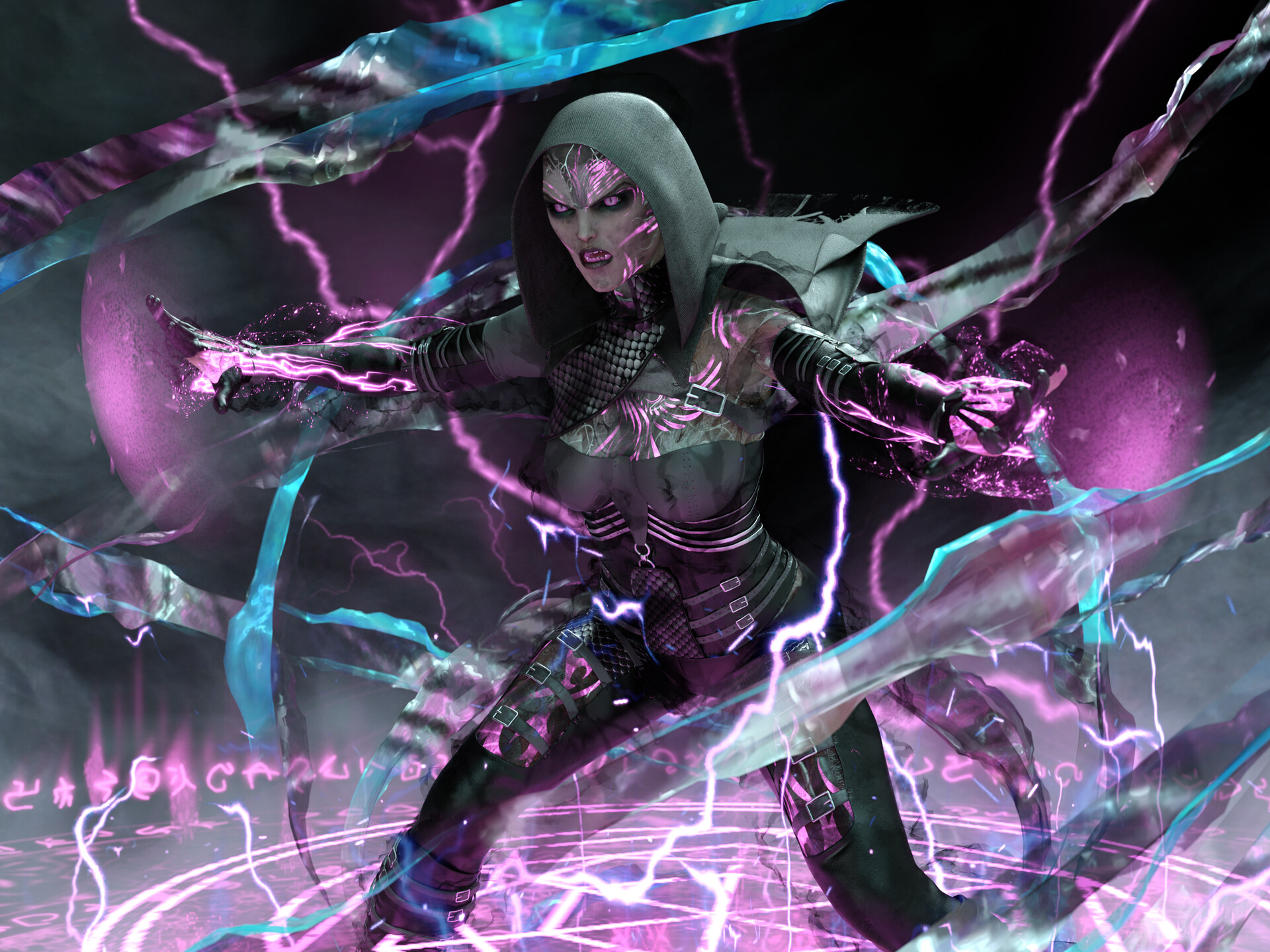
The Market’s Immune Response: When Chaos Becomes Commodity
Even the art market, often seen as the antithesis of chaos, has had to adapt. The rise of non-fungible tokens (NFTs) and digital art has introduced a new layer of unpredictability. Suddenly, artists who were once marginalized found themselves at the forefront of a technological revolution. But with this came the inevitable backlash—scams, hacks, and the commodification of chaos itself.
Yet, even in this commercialized form, chaoticism persists. Artists like Beeple and Pak have turned digital art into a spectacle of unpredictability, their works selling for millions while simultaneously challenging the very idea of value. The market may try to tame chaos, but it can’t erase its essence. In fact, the more the market resists, the more chaoticism thrives—like a virus mutating in response to antibodies.
The Future of Chaoticism: A World Without Boundaries
What comes next for chaoticism? If history is any indication, it will continue to evolve, adapting to new threats and opportunities. The rise of AI-generated art, for instance, presents both a challenge and a chance for chaos. Will AI democratize creativity, or will it create a new form of artistic control? The answer lies in how artists choose to wield it—will they use it to reinforce order, or will they push it to its breaking point?
One thing is certain: chaoticism will never disappear. It’s the art world’s immune system, constantly mutating to protect what matters most—the unbridled, the unpredictable, the alive. So the next time you encounter a work that makes you uncomfortable, that challenges your perceptions, that refuses to be contained—remember: it’s not just art. It’s a rebellion. It’s a vaccine. It’s the world saying, *We will not be silenced.*


Leave a Comment