

Miniature paintings have long captivated art enthusiasts and collectors alike, drawing them into worlds of intricate detail and profound storytelling compressed onto canvases that can often be held in the palm of one’s hand. But amid the countless tiny masterpieces that populate galleries, private collections, and marketplaces, how does one distinguish a high-value miniature painting from an ordinary piece? This quest is not merely about discerning market price; it’s an exploration of artistry, history, technique, and the subtle allure that transforms a miniature into a treasure worth cherishing. Delving into these layers unveils why miniature paintings continue to fascinate, marrying the grandeur of a vast narrative with the intimacy of a finely honed brushstroke.
Recognizing the Historical Gravitas
One cannot talk about high-value miniature paintings without addressing their provenance and historical significance. Miniature paintings often serve as cultural capsules, bearing witness to specific eras—be it the rich courts of medieval Europe, the opulent palaces of Mughal India, or the vibrant landscapes rendered during the Renaissance. The provenance offers more than a date or place; it reveals the narrative lineage of the painting and its place within an artistic tradition. For example, pieces echoing the delicate precision and vividly saturated hues of 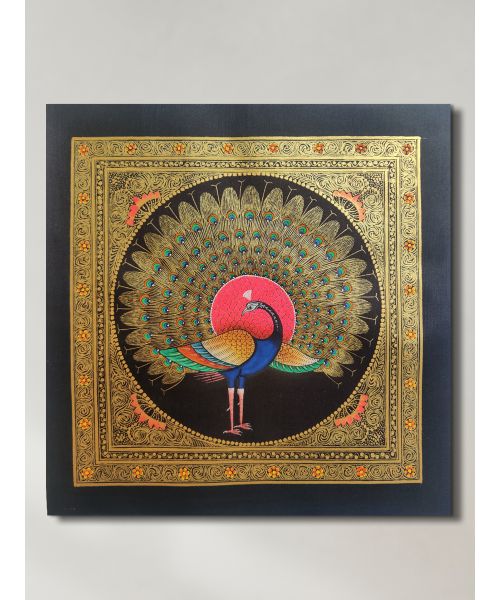 Rajasthani miniature paintings carry with them stories of royal patronage and centuries of intricate craftsmanship.
Collectors prize these artworks not only for their aesthetics but also for their embedded historical narratives. When a painting’s background includes well-documented lineage, such as belonging to a renowned workshop or being tied to a famous patron, it adds considerable gravitas. This historical resonance often underpins the work’s market value and deepens the connection felt by admirers.
Mastery of Technique and Detail
The painstaking artistry evident in a high-value miniature painting is nothing short of awe-inspiring. Miniature artists often employ fine brushes and magnifying lenses to achieve an astonishing level of detail within tiny confines. The brushwork is typically refined, with each stroke deliberate and laden with purpose. The use of vibrant yet harmonious color palettes—sometimes enhanced by precious pigments—is a hallmark of virtuosity.
One might examine the depiction of textures, such as the softness of feathers or the gleam of silk fabrics. The subtle gradations of shadow and light breathe life into characters and landscapes that might otherwise risk appearing flat. For instance, scenes showcasing lush natural environments or animals often reflect an intimate study of nature, epitomizing the blend of artistic skill and observation.
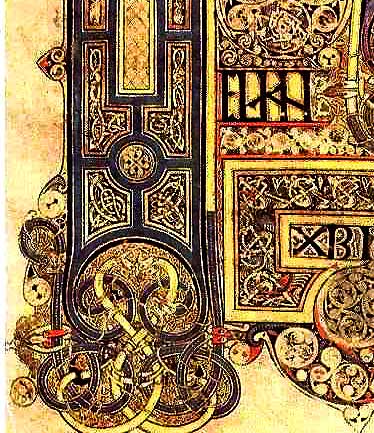
Moreover, the composition itself reveals sophistication. Despite the small scale, the works are rarely cluttered; spatial balance and narrative pacing govern the imagery. A high-value miniature invites viewers to linger, discovering new intricacies with each glance, rewarding patience as much as admiration.
Material Excellence and Preservation
Rarely does one discuss value without considering the materials used. Historical miniature paintings were often created on materials like vellum, ivory, or fine paper that aged differently and demanded specialized conservation methods. The presence of traditional materials and authentic pigments can elevate the worth significantly.
Today’s expert collectors and curators look beyond the surface and assess a painting’s condition through UV light examinations and magnification. Well-preserved miniatures that retain their original luster without significant fading, cracks, or flaking command a premium. The choice and quality of framing and mounting also contribute to preservation, thus influencing value.
Subtle clues such as the use of gold leaf or other precious metals within the design can indicate not only artistic ambition but also the social status linked to the artwork’s commissioning. These elements are often found in courtly miniatures or commissioned manuscripts, heightening both their beauty and rarity.
Narrative Depth and Symbolic Layering
Miniature paintings frequently carry allegorical or symbolic weight, weaving together poetry, spirituality, and visual storytelling. What may first appear as a simple pastoral scene can be a compendium of cultural signifiers, mythological metaphors, or political commentaries. Extracting the embedded meaning requires contextual understanding and familiarity with iconography.
High-value miniatures often reveal multiple layers of interpretation, inviting viewers to unravel deeper significance. Such narratives can include subtle gestures, the positioning of figures, or the depiction of flora and fauna, each element carefully chosen to convey messages beyond the visible.
It is precisely this luxuriant layering that draws collectors and art historians into a continuous dialogue with the work. The painting becomes a vessel not just of aesthetics but of intellectual and emotional engagement.
The Artist’s Signature and Rarity
Unlike many larger art forms, miniature paintings sometimes bear discrete signatures or marks that authenticate the creator or workshop responsible. Identifying these can be a vital factor in appraising value. A piece by a master miniaturist or from a celebrated school can exponentially increase desirability and market price.
Equally important is rarity. Because miniatures are delicate and vulnerable to damage, very few survive in pristine condition across centuries. Limited availability intensifies demand. Furthermore, miniature series or themes that feature unique subject matter, exceptional craftsmanship, or are associated with significant historical events often carry a premium.
The Emotional and Intellectual Magnetism
At their core, high-value miniatures hold a magnetic appeal that transcends the tangible. The very act of peering into a meticulously crafted tiny universe piques curiosity and wonder. The delicate balance between intimacy and grandeur allows for an immersive experience, unlike the often overwhelming vastness of larger artworks.
Enthusiasts describe this fascination as a profound connection—an almost tactile communion with the artist’s hand, a sense of holding history and culture within one’s gaze. It is this ineffable allure that sustains the passion for miniature paintings, fueling their desirability and securing their place in the pantheon of treasured art forms.
Conclusion: Appreciating the Subtle Majesty
Spotting a high-value miniature painting entails much more than identifying a pretty picture. It requires an appreciation for the historical context, a keen eye for technical finesse, an understanding of materials, and an openness to uncovering rich symbolic narratives. Together, these elements weave an intricate tapestry of value, one that is both financial and deeply emotional.
Every exquisite miniature is not just a window into a masterful artistic tradition but a delicate thread connecting us through time, culture, and imagination. To spot such a gem is to engage in a rewarding journey of discovery—one that reveals the profound majesty found in the smallest of canvases.


Leave a Comment