

In the grand ballet of culinary artistry, where flavors pirouette and textures waltz, there exists a silent yet profound performer—the menu. Far from being a mere list of dishes, the menu is a canvas, a manifesto, a whisper of the chef’s soul. When food and art converge in miniature form, they create a symphony of visual and gastronomic delight. This is the world of the miniature art of the menu, where every fold, every illustration, and every carefully chosen word becomes a brushstroke in a larger masterpiece. Whether it’s a trifold parchment adorned with watercolor sketches or a meticulously crafted miniature nativity set that doubles as a centerpiece, these creations transcend the ordinary. They invite diners into a realm where aesthetics and appetite intertwine, where the first impression is as important as the first bite.
Imagine stepping into a restaurant where the menu isn’t just handed to you—it’s an experience. A trifold menu, its pages heavy with the weight of tradition, unfolds like a storybook. Each panel is a chapter, each dish a character in a culinary narrative. The illustrations aren’t just decorative; they’re invitations to indulge, to dream, to savor. This is where food becomes art, and art becomes an appetizer for the soul. From rustic chalkboard menus to lavishly printed folios, the miniature menu is a testament to the idea that presentation is not secondary to substance—it is the substance’s most elegant partner.
The Trifold Menu: A Triptych of Temptation
The trifold menu is the unsung hero of the dining world, a three-panel canvas that balances information and inspiration with the precision of a Swiss watch. Its design is a study in restraint and revelation, where the outer panels tease the palate while the inner sanctum delivers the full feast of options. The cover often features a bold, eye-catching illustration—a swirl of pasta, a burst of citrus, a rustic loaf of bread—designed to arrest the gaze and spark curiosity. The interior panels, meanwhile, are a choreography of typography and white space, guiding the diner’s eye from appetizers to desserts with the grace of a maître d’.
What makes the trifold menu truly magical is its ability to evolve. In the hands of a skilled designer, it becomes a living document, shifting with the seasons. Spring might bring pastel watercolors of blooming flowers framing dishes of asparagus and strawberries, while autumn could usher in earthy tones and sketches of pumpkins and mushrooms. The menu isn’t just a tool; it’s a seasonal diary, a love letter to the ingredients and the moments they represent. And when the paper is thick, textured, or even handmade, the tactile experience elevates the meal from the ephemeral to the unforgettable.

Miniature Masterpieces: When Art Takes Center Stage
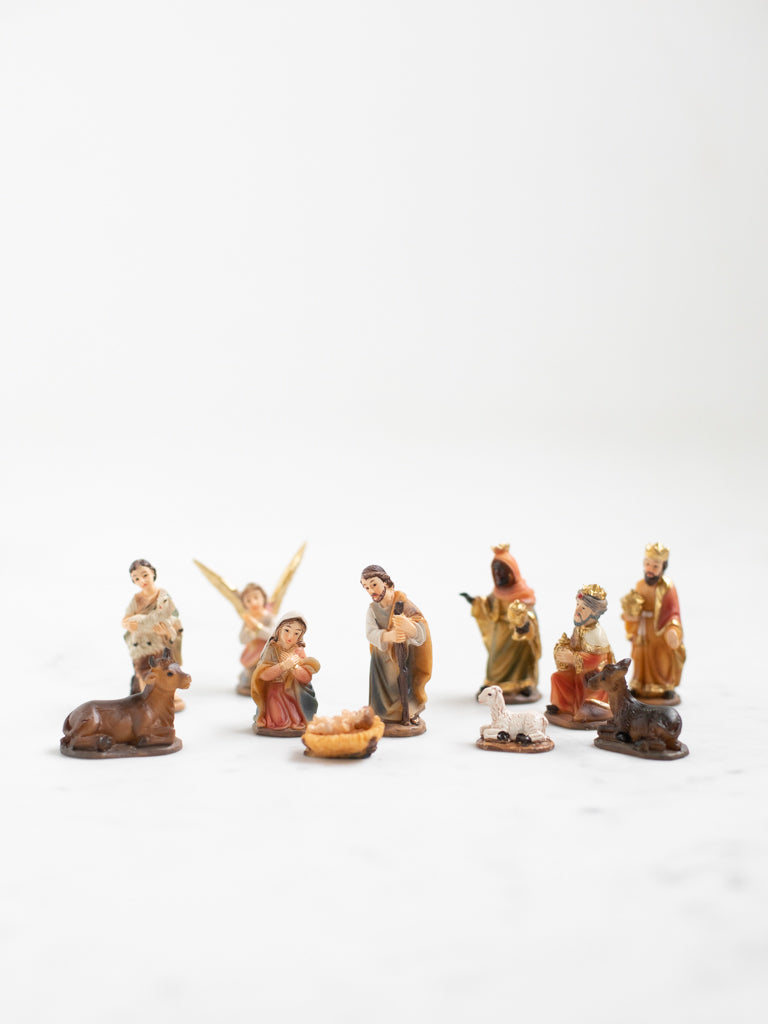
But why stop at the menu itself? The true connoisseurs of edible artistry take it a step further, transforming the menu into a miniature gallery where the dishes themselves are the exhibits. Picture a tiny nativity set, no larger than a child’s palm, crafted from clay or wood, its figures arranged in a scene that doubles as a tabletop centerpiece. Each figurine is a work of art, but their presence serves a dual purpose: they set the mood for the meal, infusing the dining experience with a sense of wonder and tradition. The act of dining becomes a ritual, a moment suspended in time, where the boundaries between art and sustenance blur into oblivion.
This approach isn’t limited to religious or seasonal themes. A miniature Eiffel Tower crafted from chocolate might grace a Parisian bistro’s table, its intricate latticework a prelude to the delicate macarons and soufflés that follow. In a sushi bar, a tiny bonsai tree made of edible seaweed could sit beside the menu, its branches a metaphor for the balance and harmony of the flavors to come. These miniature masterpieces are more than decorations; they are ambassadors of the culinary journey ahead, whispering promises of creativity and craftsmanship.
The Illustrated Menu: A Feast for the Eyes
For those who believe that a picture is worth a thousand calories, the illustrated menu is a revelation. Gone are the days of dry, text-heavy lists. In their place, a vibrant tableau of hand-drawn illustrations, watercolors, or even digital art that leaps off the page. The illustrated menu is a love letter to the senses, where the visual appeal of a dish is as important as its taste. A perfectly seared scallop might be rendered in buttery strokes of gold and cream, while a decadent chocolate tart could be depicted with such realism that one can almost taste the flaky crust and silky ganache.
The beauty of the illustrated menu lies in its ability to tell a story. A series of vignettes might depict the journey of a single ingredient—from farm to table—transforming a simple dish into an epic narrative. Or perhaps the illustrations are whimsical, playful, and slightly surreal, inviting diners to suspend their disbelief and embrace the magic of the meal. In a world where first impressions are everything, an illustrated menu ensures that the dining experience begins the moment the guest lays eyes on it.
But it’s not just about aesthetics. The illustrated menu can also be a tool for education. A detailed sketch of a fish might include annotations about its origin, sustainability, and the chef’s preferred preparation method. A diagram of a cut of meat could highlight the marbling, tenderness, and ideal cooking techniques. In this way, the menu becomes a bridge between the kitchen and the diner, fostering a deeper appreciation for the art and science of cooking.
The Digital Menu: A Modern Canvas for Timeless Craft
In an age where screens dominate our lives, the digital menu has emerged as a sleek, dynamic counterpart to its paper-based ancestors. No longer confined to static images, the digital menu can be a living, breathing entity, evolving with the tap of a finger. Animations might bring a dish to life, showing the sizzle of a steak or the swirl of a sauce. Interactive elements could allow diners to explore the ingredients, watch videos of the chef at work, or even customize their meal before it’s prepared. The digital menu is a playground for innovation, where the boundaries of creativity are limited only by the imagination.
Yet, even in its digital form, the menu retains its soul. The best digital menus are those that honor the traditions of the past while embracing the possibilities of the future. A minimalist interface might evoke the elegance of a vintage chalkboard, while a bold, graphic design could channel the energy of a street food market. The key is to strike a balance between form and function, ensuring that the menu is not just a tool for ordering but an extension of the restaurant’s identity.
From Concept to Plate: The Menu as a Culinary Roadmap
The journey of a menu—from its initial concept to the moment it reaches the diner’s hands—is a testament to the power of collaboration. Chefs, designers, illustrators, and printers all play a role in bringing a menu to life, each contributing their unique perspective to the final product. The process begins with a vision: What story do we want to tell? What emotions do we want to evoke? From there, the menu takes shape, evolving through sketches, drafts, and prototypes until it is ready to be printed or coded.
But the menu’s job doesn’t end when the ink dries or the pixels are set. It is a living document, a guide that evolves with the seasons, the chef’s whims, and the diner’s feedback. A well-designed menu is never static; it is a conversation between the restaurant and its guests, a dialogue that unfolds with every visit. And when the menu is as much a work of art as the dishes it describes, that conversation becomes a symphony.
The Psychology of the Menu: How Design Influences Dining
Behind every great menu lies a deep understanding of psychology. The placement of dishes, the choice of fonts, even the color palette—all are carefully curated to influence the diner’s choices. A menu that uses high-contrast colors for its most profitable items is employing a tactic as old as commerce itself. Similarly, the use of descriptive language—“succulent,” “artisanal,” “handcrafted”—taps into the diner’s desire for authenticity and quality. The miniature menu, with its limited space, forces designers to distill the essence of a dish into a few carefully chosen words and images, creating a sense of urgency and desire.
Even the physicality of the menu plays a role. A menu that is too heavy or too flimsy can detract from the dining experience, while one that is just right—thick, textured, and substantial—feels like a treasure to hold. The weight of the paper, the scent of the ink, the sound of the pages turning—all these sensory details contribute to the overall impression of the meal. In this way, the menu is not just a tool; it is an extension of the dining experience itself.
Sustainability and the Future of Menu Design
As the world becomes increasingly conscious of its environmental footprint, the menu is not immune to the call for sustainability. Eco-friendly materials, such as recycled paper, soy-based inks, and even digital menus that eliminate waste entirely, are becoming the norm. But sustainability in menu design goes beyond materials. It’s about creating menus that are durable, reusable, or even edible, reducing the need for single-use items. A menu printed on seed paper, for example, can be planted after use, giving life to flowers or herbs. This is the future of menu design—a fusion of art, functionality, and responsibility.
The miniature menu, too, has a role to play in this sustainable revolution. A handcrafted wooden menu, etched with laser precision, can last for years, its artistry only growing more beautiful with time. A menu made from repurposed materials tells a story of resourcefulness and respect for the planet. In a world where waste is a growing concern, the menu becomes a symbol of mindful consumption, a reminder that even the smallest details can make a difference.
The miniature art of the menu is more than a trend; it is a celebration of the marriage between food and art. It is a testament to the idea that dining is not just about sustenance but about experience, about beauty, about the stories we tell with every bite. Whether it’s a trifold parchment that unfolds like a love letter, a miniature nativity set that doubles as a centerpiece, or a digital menu that dances with animation, the menu is the first chapter in the story of the meal. And when that chapter is as carefully crafted as the dishes that follow, the entire dining experience becomes a masterpiece.
So the next time you find yourself perusing a menu, take a moment to appreciate it not just as a list of options but as a work of art. Let its illustrations, its typography, its very presence set the stage for the culinary journey ahead. Because in the end, the best meals are not just eaten—they are savored, in every sense of the word.


Leave a Comment