

In the ever-evolving tapestry of human creativity and innovation, certain years emerge as pivotal junctures—moments where prevailing narratives meet unprecedented shifts. The year 2026 promises to be one such remarkable epoch. Touted by many as the dawning era of the “Accessible Masterpiece,” it beckons a transformation in how we conceive, create, and consume artistic, architectural, and cultural marvels. This concept melds brilliance with inclusivity, dismantling traditional barriers and crafting experiences that are as democratized as they are breathtaking. But why has 2026 captured the collective imagination as the moment this fusion reaches its zenith? The answer lies in a confluence of societal metamorphoses, technological breakthroughs, and an intrinsic human longing for connection and meaning within the extraordinary.
The Democratization of Art and Culture
The notion of a masterpiece has historically been cloaked in exclusivity—accessible primarily to the elite or to those within particular cultural spheres. Yet, in 2026, this paradigm is undergoing an exhilarating upheaval. Artworks once confined within the rarefied halls of museums or exclusive galleries are now being reimagined as experiences that engage a broad, diverse audience.
Driven by digital innovation, virtual reality, and augmented reality platforms, masterpieces can be not only observed but immersed in. The democratization of art is no longer a lofty ideal but an actionable reality. Through these technologies, anyone with a digital device can traverse the brushstrokes of a celebrated painter or wander through the architecturally sublime spaces that define human achievement.

This unshackling from exclusivity fuels a more profound cultural engagement. The masterpiece, once a symbol of elitism, transforms into a shared cultural treasure, universally appreciated and cherished.
Architectural Marvels as Living, Breathing Spaces for All
Architecture, the silent narrative of human civilization, undergoes an equally exhilarating metamorphosis in 2026. The “Accessible Masterpiece” transcends the canvas; it enters the world of spaces designed with functionality, beauty, and inclusivity seamlessly intertwined.
Gone are the days when the grandeur of architecture was valued only for its aesthetic or symbolic dominance. Fresh architectural paradigms embrace sustainability, adaptability, and accessibility, ensuring masterpieces in this domain serve not only as monuments to artistic vision but as welcoming environments for all individuals, regardless of physical ability or economic status.
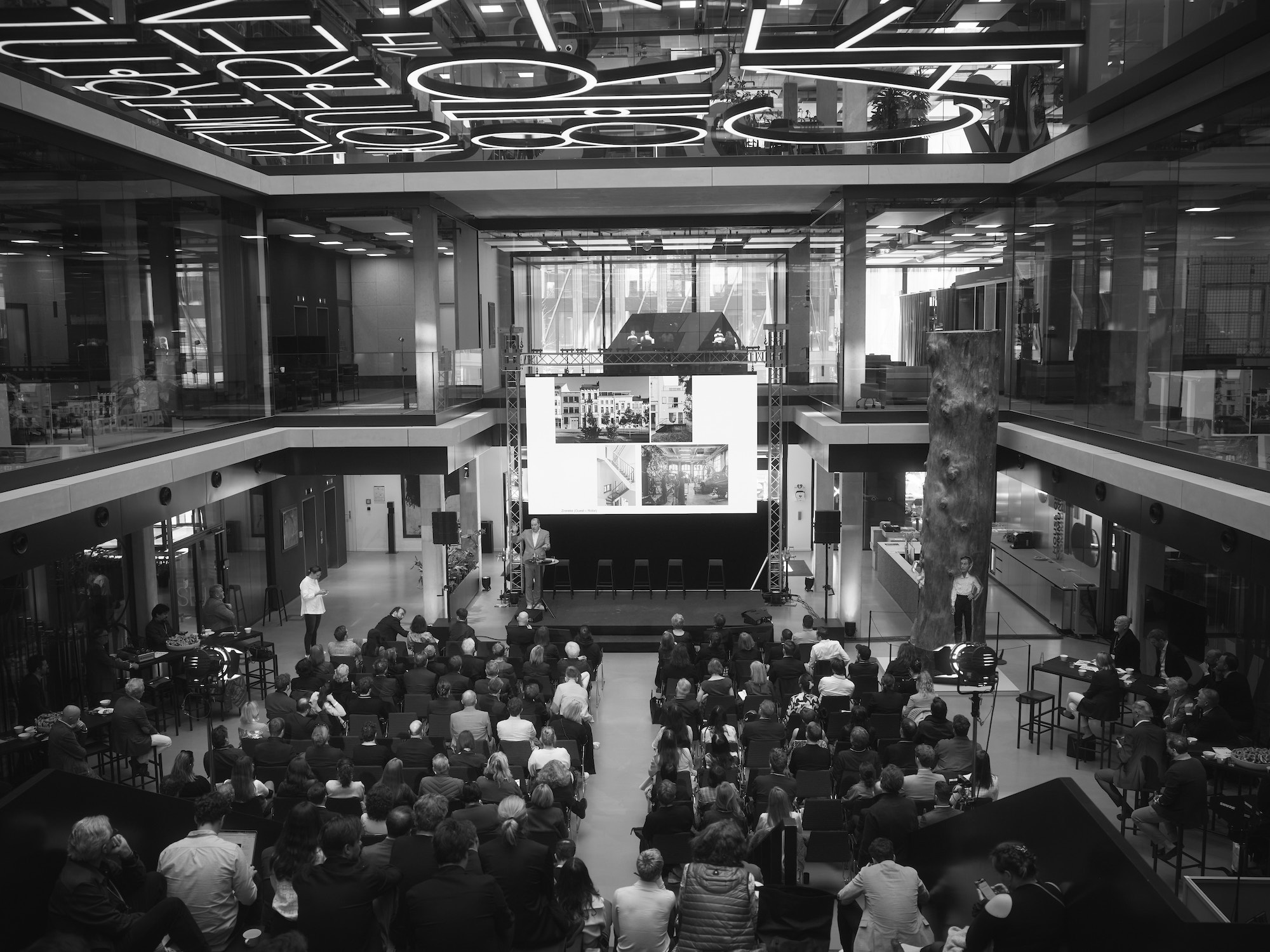
These innovations signal a radical departure—a human-centric redefinition that accentuates empathy through design. The structures rise as testaments to our shared humanity, embodying elegance without alienation.
The Societal Impetus Behind the Fascination
Why has the world fixated so intently on 2026 in relation to the “Accessible Masterpiece”? Part of this fascination stems from a broader societal shift towards equity and a holistic valuing of human experience. Social consciousness has surged, urging sectors ranging from finance to culture to take stock and forge pathways that celebrate diversity and accessibility.
This undercurrent fosters an environment ripe for masterpieces that do more than dazzle with technique or scale. They engage, provoke thought, and invite participation, building a communal bridge between the creator and the beholder. This shared experience nourishes cultural cohesion and elevates human understanding.
Technological Catalysts Propelling Accessibility
Underlying this revolution is a bedrock of technological advancement. The year 2026 benefits from exponential growth in tools that enable both the creation and dissemination of masterpieces with unprecedented accessibility. Artificial intelligence curates personalized art journeys. Biometric technology adjusts environments dynamically to user needs. Haptic feedback extensions simulate textures and movements, offering multisensory engagement in domains previously limited to mere observation.
These breakthroughs dissolve entrenched barriers and herald a new era where the sublime is no longer tethered to physical or socioeconomic constraints. The masterpiece inhabits a realm where its impact is multiplied and its resonance deepened.
The Emotional and Philosophical Nexus
More than the integration of technology or social change, the 2026 brand of accessibility evokes a deeper human yearning: to find meaning and belonging in awe-inspiring creations. This yearning transcends the visual or structural; it is a dialogue between human aspiration and artistic expression, a dance of empathy, wonder, and cognitive engagement.
The concept of an “Accessible Masterpiece” embodies this nexus, acting not only as a physical or digital artifact but as a philosophical beacon illuminating the potential for art and architecture to unify and inspire. It compels us to reconsider what it means to experience greatness and challenges the boundaries between observer and participant.
Looking Ahead: The Legacy of 2026’s Accessible Masterpieces
As the curtains rise on this transformative year, one can almost hear the reverberations of future epochs shaped by the precedents set now. The embrace of accessibility within masterpieces portends a legacy where cultural, artistic, and architectural excellence are inextricably linked to inclusion, sustainability, and shared humanity.
The ripple effects will undoubtedly inspire new modes of creativity, further technological innovations, and broader societal progress. The “Accessible Masterpiece” will no longer be an anomaly but a foundational ethos, guiding creative endeavors for decades to come.
Indeed, 2026 represents more than a calendar year—it is the threshold of an era. A time when the extraordinary is not reserved for few but becomes an intrinsic, vital element in the collective human experience. It is an invitation to marvel, to participate, and ultimately, to belong to a world where masterpieces—unbounded by traditional limitations—are within everyone’s reach.


Leave a Comment