

There is an undeniable allure wrapped in the concept of posthumous planning—a meticulously crafted orchestration of one’s legacy that lives beyond the ephemeral confines of physical existence. This phenomenon captivates not only scholars and executors but also the curious minds who wonder what compels individuals to choreograph their own narratives after death. It is a realm where foresight meets artistry, and the ordinary act of planning morphs into an extraordinary expression of identity, values, and human connection. The curatorial genius of posthumous planning is a captivating testament to our desire for control, meaning, and continued influence through time’s unyielding passage.
The Fascination with Legacy: More Than Mere Nostalgia
At first glance, the urge to plan posthumously might seem like a simple act of ensuring possessions and responsibilities are neatly handled. Yet, this perspective belies the profound depth that underpins the practice. There is an overt fascination with legacy—an endeavor to sculpt how one is remembered, not as an abstract shadow but as a vivid, perceptible presence. This compulsion transcends nostalgic reverence, revealing an almost curatorial impulse to design one’s memory with intention and precision.
What lies beneath this impulse is a human desire to wrestle with mortality and meaning. Legacy, after all, is not merely what we leave behind but how that memory interacts with future generations. In this way, posthumous planning becomes a subtle form of time travel—embedding personal narratives, wisdom, and passions into the fabric of history with a deliberate brushstroke. It is this elaborate dance between control and uncertainty, memory and oblivion, that makes the practice profoundly intriguing.
Crafting Memory: The Artistry Behind End-of-Life Wishes
Posthumous planning is a delicate craft, akin to curating an exhibition where every detail speaks volumes. From end-of-life wishes, epitaph choices, to the dissemination of private messages, the planner becomes both artist and archivist. These plans are not just legal documents—they are vibrant mosaics of a life lived, designed to evoke emotion, convey values, and perhaps even provoke reflection.

This artistry is why technology has seeped into the posthumous arena with apps and platforms dedicated exclusively to managing one’s digital will, personal messages, and even social media legacies. The digital age has expanded the curator’s palette exponentially, allowing intricate, multimedia mosaics that can live on indefinitely. The genius lies in how these tools democratize and personalize an otherwise daunting task, turning it into an intimate narrative curation that resonates on deeply individual levels.
The Psychological Underpinnings: Control, Closure, and Connection
Why does so many find comfort or fascination in posthumous planning? The psychological tapestry behind it is as rich as it is complex. At its core, this practice offers a rare pocket of control over the uncontrollable—our own mortality. When people are empowered to shape how they are remembered, it mitigates existential anxiety, offering a semblance of absolute agency in the face of life’s ultimate uncertainty.
Moreover, this planning serves as a mechanism for emotional closure, not only for the planners themselves but for their loved ones. It crafts a bridge of continuity, reassuring survivors that the departed left behind tangible expressions of care, instruction, and love. The meticulous nature of this curation also strengthens intergenerational bonds, enabling stories and values to be transmitted with precision and care.
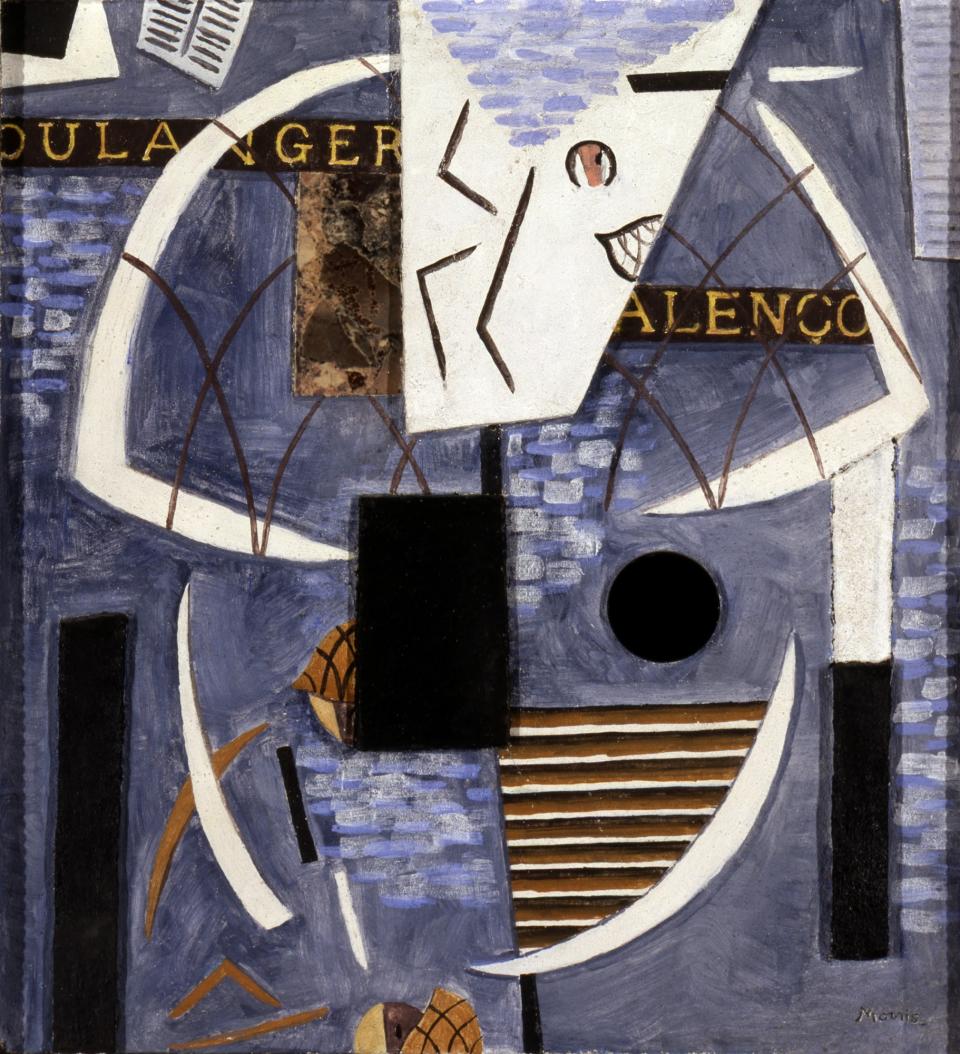
From a socio-cultural lens, this fascination also reflects a broader human need for meaning-making and legacy-building—a collective endeavor as old as civilization itself. By consciously engaging in posthumous planning, individuals align with a timeless tradition of storytelling and memorialization, ensuring their unique voice remains heard amid the chorus of history.
Posthumous Planning as a Cultural Mirror
Delving deeper, one finds that the patterns and trends in posthumous planning reveal a great deal about contemporary values and societal shifts. In a world often characterized by rapid change and ephemeral digital footprints, these plans stand as profound counterpoints—static testaments of permanence and intentionality.
The increasing emphasis on personalized memorials and the upsurge of digital legacy tools highlight a cultural pivot toward individualized remembrance. This movement reflects a broader societal demand for authenticity and bespoke storytelling, pushing back against generic or institutional remembrances. It also underscores evolving perceptions of death—not merely as an end but as a curated transition, an opportunity for final artistic expression.
The Intersection of Technology and Tradition
There is an exquisite tension between age-old rituals and cutting-edge technology in modern posthumous planning. While wills and last letters have existed for centuries, new technologies have ushered in unprecedented possibilities for expression and legacy management. From encrypted digital vaults containing heartfelt video messages to AI-driven eulogies that can adapt over time, the future of posthumous planning is a fascinating fusion of tradition and innovation.

But this convergence also poses questions: How do we preserve the sacredness of these acts in a digital landscape? How might future generations interpret or even reshape legacies etched today? The curatorial genius lies not only in the act of planning but in negotiating this dynamic interface—maintaining dignity and personal essence in an ever-evolving medium.
In the end, the curatorial genius of posthumous planning is a compelling dance with time, memory, and identity. It speaks to a universal human impulse—to be seen, understood, and remembered in a way that transcends the ephemeral nature of life itself. By meticulously crafting these enduring legacies, individuals partake in an art form that defies mortality, weaving their stories into the vast, ongoing human tapestry with intentionality and grace.
This intricate interplay of preparation, artistry, and psychology ensures that posthumous planning remains not just a practical necessity but a profound expression of humanity’s enduring hope: that even beyond the final breath, our existence reverberates meaningfully through the ages.


Leave a Comment